
Motivating employees? Start with their four basic emotional needs

Employee motivation starts with understanding four basic emotional needs: the drives to acquire, bond, defend, and learn. Harvard research shows these hardwired drives influence workplace behavior, and managers who address them through tailored policies, rewards systems, and collaborative cultures can significantly boost employee motivation and engagement.
Talent management: why HR needs to stop promoting based on the Peter Principle

The Peter Principle suggests employees rise to their level of incompetence through promotion based on current job performance rather than readiness for the next role. HR can avoid this by developing alternative career paths for top performers and assessing candidates for actual leadership competencies instead of past success alone.
How visual communications could transform your business

Visual communication in the workplace significantly boosts employee productivity and task completion. Yet most businesses still rely on plain-text emails despite research showing 67% of employees perform better with video and image-based communications, especially among younger workers.
Minimise threat and maximise reward to accelerate change

Learn how neuroscience explains why employees resist change and discover evidence-based strategies leaders can use to minimize threat and maximize reward during organizational transitions.
Is there such a thing as emoji-nal intelligence?

Emojis can enhance workplace communication and emotional intelligence by helping workers better understand and express nuanced feelings in emails and text messages, though they should complement rather than replace face-to-face interactions.
Time to rediscover your values

Organisations risk losing employee purpose and productivity when values aren’t kept central to daily operations. Rediscovering and reconnecting with existing organisational values—rather than creating new ones—can reignite staff engagement and clarify sense of purpose.
How to solve the diversity crisis in local government leadership

Local government faces a diversity crisis, with Black, Asian and minority ethnic leaders representing just 3% of council CEOs and 3.7% of top senior management positions—far below representation in the private sector. Austerity, lack of investment in talent development, and a shortage of BAME professionals in middle management roles create barriers to reaching senior leadership positions.
Invisible disabilities: it’s time for HR to get hearing loss on the agenda

Invisible disabilities like hearing loss often go overlooked in the workplace, creating significant barriers for affected employees. HR professionals can play a crucial role in removing these obstacles by raising awareness, challenging stereotypes, and implementing supportive workplace practices that enable people with deafness and hearing loss to thrive.
What are the legal implications of managing mental health in the workplace?

Employers must navigate significant legal implications when supporting employee mental health, particularly under the Equality Act 2010, which protects disabled employees from discrimination. Failure to make reasonable adjustments or properly address mental health issues can expose organizations to tribunal claims and legal liability.
Beyond the jargon: is HR tech lost in translation?

HR leaders often struggle with technical jargon when overseeing technology projects, creating communication barriers that hinder effective governance. By applying familiar HR skills like asking clarifying questions and building cross-functional teams, HR professionals can bridge the gap between business objectives and technical implementation.
How digital assistants are reimagining employee engagement

Digital assistants powered by AI are transforming workplace engagement by making complex tasks simple and accessible to all employees. These enterprise solutions enable workers to independently handle IT and communication tasks through natural conversation, improving efficiency and reducing reliance on support departments.
How to lead people through transitions

Help your employees navigate organizational change by understanding their individual concerns and motivations. Managers must distinguish between resistance symptoms and root causes, avoiding manipulation while supporting people through transition at their own pace.
Rise of the chatbots: how technology is transforming HR
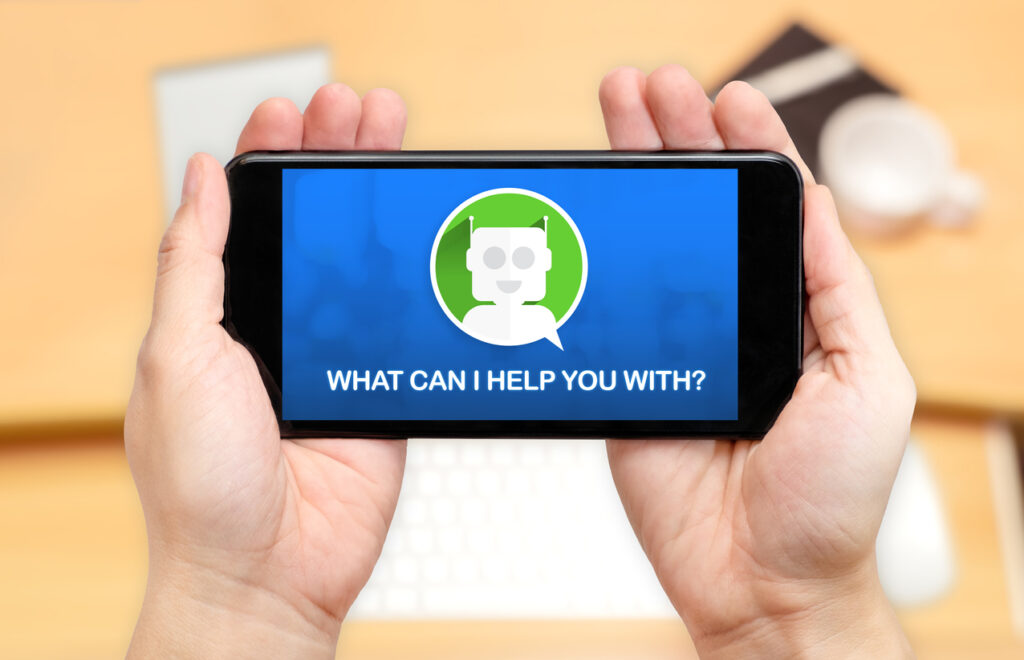
Chatbots powered by machine learning are transforming HR departments by moving beyond simple keyword responses to provide contextual answers to employee queries. Companies are increasingly integrating AI technology into staff portals to handle routine HR questions and direct employees to resources like handbooks and forms, improving efficiency while freeing HR professionals to focus on more complex tasks.
How recruitment can adapt to turbulent times

Economic uncertainty and historically low unemployment are creating significant challenges for executive recruitment. As candidates become more selective and risk-averse, organizations must move beyond traditional recruitment methods to attract top-level talent in an increasingly competitive market.
The dialogue of change : how to get it right

Effective organizational change communication requires timely, sensitive dialogue with employees rather than impersonal email announcements. Leaders must address employees’ primary concern—how change affects them personally—through direct engagement to build buy-in and reduce anxiety.
A new way to unleash creativity and innovation

AI now enables organizations to objectively measure individual creativity through automated testing inspired by classic psychology frameworks. However, measuring creative thinking alone doesn’t guarantee innovation—organizations also need idea vetters and communicators to transform creative concepts into practical business value.
Why you must prioritise the emotional side of change

During organizational change, acknowledging employees’ emotional responses is essential for success. Rather than viewing emotions as obstacles, leaders should recognize that they influence behavior and adaptation, making emotional awareness critical to change management effectiveness.
The workplace showdown: me vs you

Workplace rivalries can damage your career and well-being. Learn how to handle difficult colleagues by staying calm, standing up for yourself when needed, and focusing on succeeding through your own values rather than seeking confrontation.
The people profession: how can HR develop in 2019?

HR professionals must focus on three key development areas in 2019: challenging unethical business practices with confidence, understanding business data and financial acumen, and building credibility as strategic partners. This requires developing fact-finding skills, data analysis capabilities, and the ability to support business decisions with evidence-based insights.
Is a four-day working week really possible?

Advances in technology and changing employee expectations are sparking debate about whether a four-day working week is feasible. With improved productivity and focus on work-life balance, organizations may achieve this through smarter working practices and investment in AI technologies.
