Book review – The Business of Excellence: Building High-performance Teams and Organisations

Justin Hughes’ military background shapes this book on building high-performance teams through disciplined execution and pursuit of perfection. While offering valuable insights on clear direction and leadership, the heavily military-focused content may limit relevance for broader business audiences and senior HR professionals.
Maternity discrimination: why do we continue to stereotype returning mothers?

Three in four mothers experience negative or discriminatory treatment during pregnancy, maternity leave, and return to work, despite legal protections under the Equality Act 2010. While most employers claim awareness of maternity rights, smaller companies often lack HR expertise to implement proper support, leaving returning mothers facing stereotyping and unfair treatment that damages retention.
Employee engagement: why it’s time for HR to step up and deliver on ‘purpose’

HR plays a critical role in making organizational purpose real, yet research shows HR departments are underutilized in this effort. Purposeful organizations succeed when HR helps embed values into people processes and empowers employees to live the company’s mission with collective responsibility.
Flexible working: a vital differentiator in a challenging labour market

Flexible working emerges as a crucial strategy for UK businesses struggling to attract and retain talent amid economic pressure and labour shortages. By prioritizing employee flexibility over wage increases alone, organizations can boost productivity and satisfaction across multi-generational workforces, particularly among younger professionals demanding schedule control and convenience.
Working parents: shared parental leave has the potential to positively impact gender equality

Shared parental leave can drive gender equality by giving fathers firsthand experience of parenting responsibilities, according to one professional’s account. Taking three months off work provided insights into both parenting and workplace challenges, fostering greater empathy and cultural change around flexible work arrangements.
Recruitment: are first impressions unfairly influencing your hiring process?

First impressions formed during job interviews can unfairly influence hiring decisions, even in modern structured interviews. Research shows that initial candidate assessments predict later ratings, follow-up invitations, and job offers, suggesting that early perceptions may overshadow actual job performance and qualifications.
GDPR: who is responsible for protecting business data?

Under GDPR, both employers and employees share responsibility for protecting business data. While data breaches are often employee-caused, employers must provide proper tools, training, and processes to ensure compliance and prevent vulnerabilities that could result in significant fines and reputational damage.
Setting a clear direction on your workplace learning analytics journey

Learn how to create a clear direction for your workplace learning analytics strategy by assessing current capabilities, setting predetermined destinations, and defining milestones. This guide helps L&D leaders balance multiple analytical priorities while driving business impact and organizational alignment.
The impact of organisational change on the brain

Organizational change triggers a threat response in the brain, reducing clarity and amplifying perceived risks. Understanding how our brains react to uncertainty—designed for survival rather than modern workplaces—helps leaders support employee wellbeing and productivity during transitions.
Why are some people more resilient when facing change?

Resilience during organizational change depends on how people perceive the situation based on their past experiences, personalities, and biases. Research shows that maintaining self-esteem, purpose, autonomy, certainty, equity, and social connection helps employees navigate change more effectively.
We have hugely underestimated people’s need for social connection at work

This is the third in a series of four articles on Better Organisational Change through Neuroscience by Hilary Scarlett, speaker, consultant and author of Neuroscience for Organizational Change – an evidence-based practical guide to managing change. We have hugely underestimated people’s need for social connection at work. We understand the importance of relationships in our personal […]
How to stay calm during organisational change

Manage your emotions during organizational change by understanding how emotions influence decision-making and memory. Learn why constant workplace stress triggers our threat response and discover evidence-based strategies to stay calm when facing uncertainty and competing demands.
Employee engagement: why flow is the key to boosting productivity and performance

Flow, a state of complete focus and engagement, is key to boosting employee productivity and performance. By creating workplace conditions that encourage flow—such as clear goals, balanced challenges, and autonomy—organizations can significantly increase employee satisfaction, creativity, and overall engagement.
Wellbeing at work: future-proofing your business in a shifting economic landscape

Employee wellbeing is critical for businesses navigating economic uncertainty and rapid technological change. Companies face intense competition for talent while managing job insecurity and shifting career paths, making workforce wellbeing essential for future-proofing their organizations.
Stuck in first gear: how can HR make more of people data?

HR professionals struggle to leverage people data effectively due to a confidence crisis in analytics capabilities. Only 21% of UK HR professionals feel confident conducting advanced analytics, while many lack basic statistical skills. Building data confidence and quality is essential for HR to drive business decisions and establish itself as a strategic function.
Employee engagement pitfalls: how can we make it more human?

Most organizations treat employee engagement as a checkbox exercise rather than fostering genuine two-way dialogue with employees. True engagement requires building robust relationships and open communication between adults, where both positive and negative concerns can be discussed authentically.
Productivity: why businesses need to look at more than just output per hour

UK productivity lags behind European averages, with British workers taking five days to complete tasks Germans finish in four. Rather than focusing solely on labour output per hour, businesses should consider broader factors including employee engagement, strengths assessment, and appropriate technology adoption to drive meaningful productivity improvements.
Will you be joining us at UNLEASH World Conference & Expo 2018?
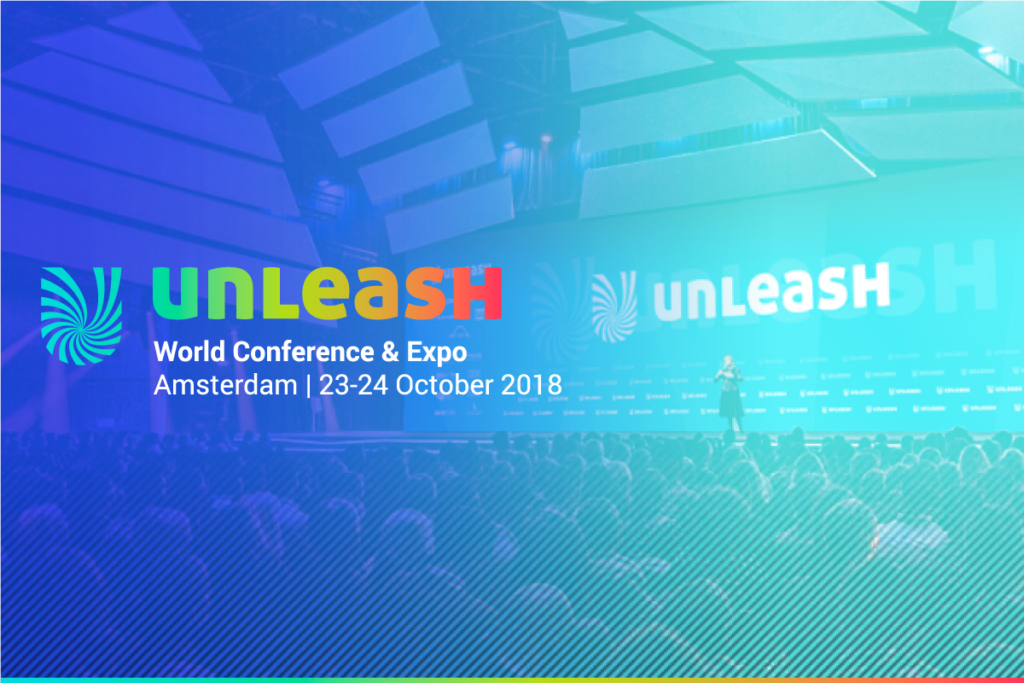
UNLEASH World Conference & Expo 2018 returns to Amsterdam on October 23-24, bringing together 5,000+ HR leaders and innovators. The event features 250 speakers across 16 stages exploring the future of work, digital transformation, and how to stay human in the digital age.
Helping employees deal with grief in the workplace

Losing a colleague affects the entire workplace, but thoughtful handling can unite teams and help employees process grief. Creating safe spaces for sharing memories and expressing feelings—through group discussions, memory books, and attending funeral services—allows coworkers to honor their loss and begin healing together.
Recruit smart: how employee advocacy can attract talent

Employee advocacy programs empower staff to promote your company on social media, significantly improving talent attraction and reducing hiring costs. Candidates are 40% more likely to apply when familiar with your employer brand, making authentic employee recommendations a powerful recruitment tool in today’s competitive job market.