
Talent retention: the vital few and trivial many

Effective talent retention starts with identifying your “vital few”—the 20% of employees responsible for 80% of output, according to Pareto’s Law. Companies must define what constitutes value creation and use reliable assessment tools rather than subjective judgment to identify and retain top performers.
Physical exercise at work: what can be done?

Workplaces can combat sedentary behavior by integrating simple physical activity into daily routines—such as brisk walking, using stairs, and active commuting—rather than relying on formal gym programs. With employees sitting an average of 9.5 hours daily, even 10 minutes of movement can reduce risks of musculoskeletal issues, diabetes, and cardiovascular disease.
Leading remote teams: how to deal with conflict

Remote team conflicts often arise from limited information flow and text-based communication, making it easy to misinterpret colleagues’ intentions. Building trust through transparent communication and deliberate culture design helps teams address disagreements constructively while preventing destructive conflict.
Leading remote teams: the role of performance management

Effective performance management for remote teams relies on ongoing feedback conversations and transparent work visibility rather than annual reviews. Regular communication, clear progress tracking, and consistent one-on-one meetings help managers support employees and evaluate results realistically.
Leading remote teams: why you need a different mindset
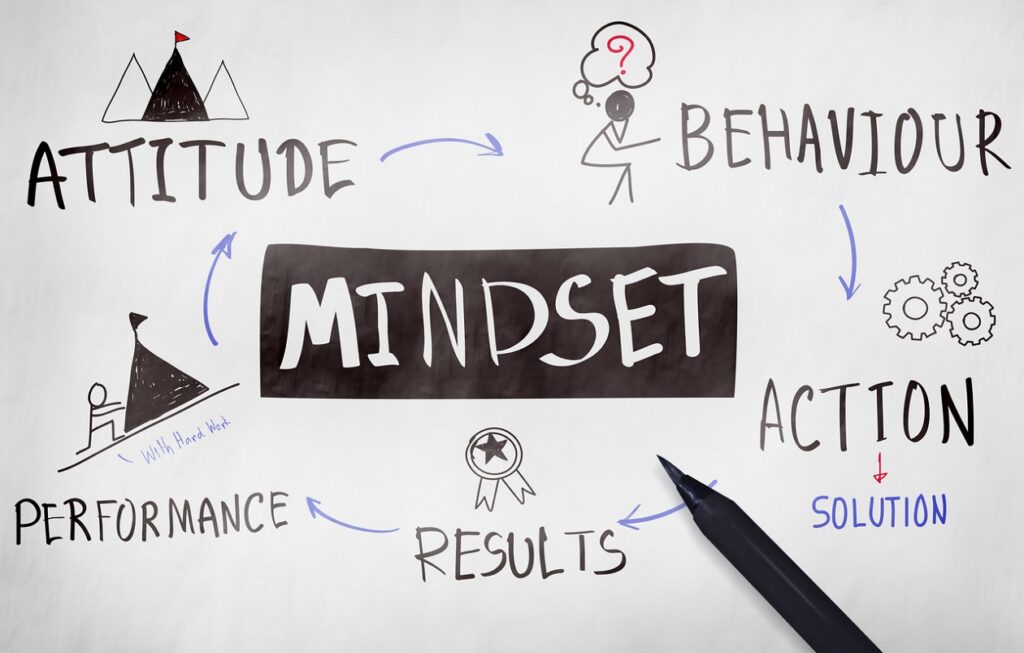
Leading remote teams requires shifting from monitoring presence to evaluating results. Successful remote managers must trust their teams, focus on deliverables rather than hours worked, and establish clear communication agreements that balance autonomy with accountability.
Will 2018 be the year for multi-generational flexible benefits?

Today’s workforce spans four generations with different benefit priorities. While 45% of employers plan to adapt benefits for multi-generational employees, research shows Baby Boomers value retirement planning and healthcare, millennials prefer flexibility and homebuying assistance, and Gen Z seeks career development opportunities. Tailoring benefits strategies to these diverse needs is becoming essential for talent attraction and retention.
Can we make hiring great again?

Job hunting hasn’t evolved despite technology’s transformation of other industries. The hiring process remains impersonal and opaque, leaving candidates uncertain about fit and unaware of their application status, creating a poor experience for both job seekers and employers.
What to do about team conflict

Unproductive team conflict drains energy and causes people to dread work, requiring leaders to take decisive action. Strategies include breaking up teams in severe cases, using mediation for conflicts between individuals, and bridging silos to rebuild team cohesion.
The reality of performance: no team is an island

Winning teams succeed by building strong relationships across stakeholder groups and seeking genuine feedback beyond their immediate circle. Through dialogue, active listening, and conversation, they understand stakeholder needs and enable others to succeed rather than compete internally.
The six habits that help teams win

Discover six simple habits that help teams become more productive and successful, including the Eight Hour Revolution and Masterful Meetings. These straightforward practices require no time management courses and can be implemented by any team to drive meaningful progress toward their goals.
5 steps to building a winning team

Learn the five essential steps to building a winning team that delivers exceptional results without burning out. This guide covers assessing your current state, clarifying shared purpose, ensuring the right people are in place, establishing behavioral norms, and building trust—a process requiring sustained effort over time.
Team types – which one are you?

Discover which of five team types describes your group: Seriously Dysfunctional, Mediocre, Resistant, High Potential, or Winning Team. Understanding your team type helps identify what’s working and what needs change to achieve better results more effectively.
Improving pensions comms: a creative nudge

Auto-enrolment has reached 1 million UK businesses, covering 9 million eligible employees. With pension contribution rates rising, organizations should use creative nudge techniques and engaging campaigns—beyond traditional compliance messaging—to help employees actively participate in their pensions rather than passively opt out.
Four social factors to consider for successful employee engagement

Only 11% of UK employees feel engaged at work. Successful employee engagement requires effective internal communication strategies that reach the entire workforce, encourage unity, and deliver tailored, easily consumable content across all platforms.
Interview: Kim Wylie, Head of Customer Change and Culture, Google

Kim Wylie, Head of Customer Change and Culture at Google Cloud, leads change management initiatives across EMEA, Japan, and Asia Pacific. She helps large organizations navigate digital transformation through proven change management methodology, focusing on aligning people, values, and processes with technology deployments.
Global employee benefits: what should international companies be offering their workforce?

International companies should prioritize flexible, choice-based employee benefits with strong digital infrastructure to support global workers’ health and wellbeing needs. Research shows only one-third of employees feel their employer’s health programs are effective, highlighting a gap between current offerings and what workers actually need.
Four key dates you need to cover in your onboarding process

Essential onboarding requires strategic planning across four key dates during an employee’s first year. These critical milestones—pre-boarding, first week, and the 1, 3, and 6-month mark—establish retention and engagement foundations when 90% of employees decide whether to stay or leave.
Onboarding for empowerment: how to create a diverse, thriving workforce from day 1

Diverse and inclusive workforces drive profitability and better decision-making, yet many organizations struggle with retention. Effective onboarding that empowers new hires from day one—tailored to their specific needs and backgrounds—is essential for building a thriving, equitable workplace.
Domestic violence: Why employers should be tackling this silent, pervasive issue

Only 5% of medium and large UK organisations have domestic abuse policies, despite nearly two million adults experiencing abuse annually. Most HR leaders agree employers should support affected employees, yet the issue remains largely absent from workplace agendas and duty-of-care policies.
2 minutes with… Helen Williams, HR Leader, Statoil
Helen Williams, HR Leader at Statoil, discusses her focus on diversity, inclusive culture, and empowering leaders to unlock team potential. She shares insights on leadership development, performance management trends, and lessons learned from implementing organizational change initiatives.
