
Do we need more HR support for SMEs?
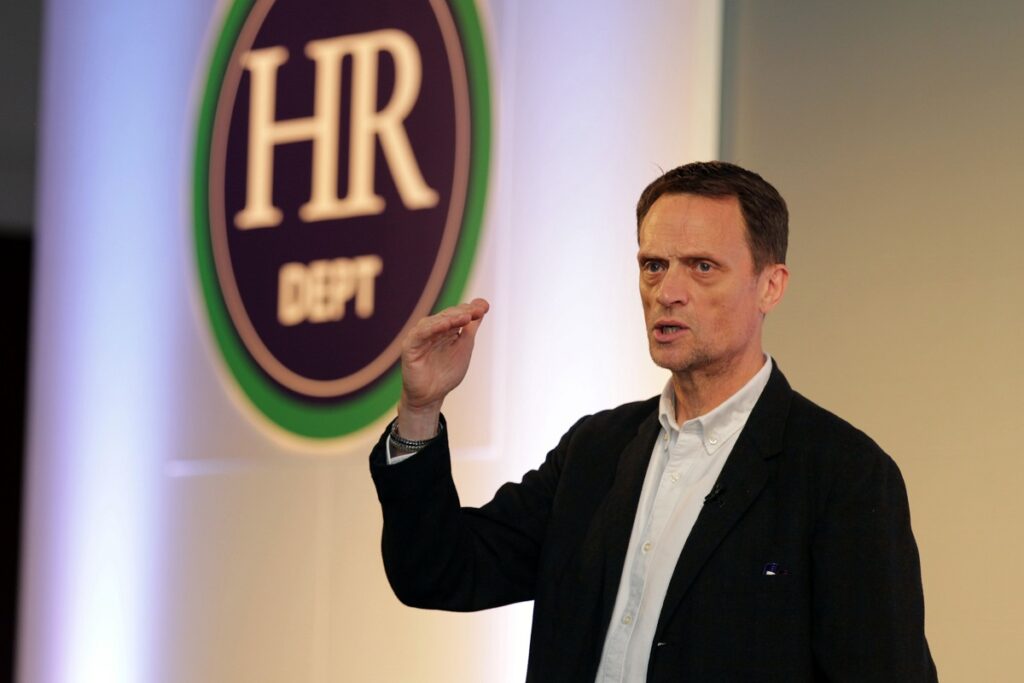
Small and medium-sized enterprises (SMEs) lack sufficient HR support and education on employment status and worker rights, creating widespread confusion among business advisors and owners. Expert HR guidance could help SMEs avoid costly tribunal cases and ensure compliance with employment law.
Employee perspectives: “HR should be a more visible part of the hospital.”

Healthcare employees believe HR should be more visible and actively promote the support services available to staff. A critical care sister interviewed for this piece argues that while HR provides essential functions like conflict resolution and wellbeing resources, the department needs better visibility to help staff understand how they can access support during challenging times.
Testing Times: UAT, Test, Pilot and Parallel Run

Learn the four critical testing phases for HR tech implementations: User Acceptance Testing, Quality Assurance, Piloting, and Parallel Runs. Understand when and how to apply each testing approach to avoid delays, budget overruns, and ensure successful system go-live.
Book review: Brain Savvy HR by Jan Hills

Brain Savvy HR by Jan Hills applies neuroscience research to HR practice, offering evidence-based strategies for leading, engagement, and organizational change. This comprehensive guide condenses complex neuroscience into practical applications, making it essential reading for HR professionals and leaders seeking to improve effectiveness through brain-based insights.
Book review: Flawed but Willing: Leading Large Organizations in the Age of Connection, by Khurshed Dehnugara

This book review evaluates Khurshed Dehnugara’s leadership guide for connecting with large organizations. The conversational, anecdotal writing style challenges readers to rethink how they engage with their workforce, emphasizing that modern business success depends on discretionary effort beyond contractual obligations. Rated 4 out of 5, it’s suited for HR leaders and senior business professionals seeking practical approaches to organizational connection.
Are we burning ourselves out in the pursuit of happiness?

The pursuit of happiness through wellness culture may be masking a troubling shift in workplace responsibility. While positive psychology emphasizes individual resilience and self-improvement, critics argue this approach allows employers to evade accountability for employee burnout caused by demanding work conditions and inadequate support.
Why it’s more important than ever to have a social attraction plan

Social attraction uses social media to source and recruit talent by enhancing your employer brand and engaging potential candidates. With 70% of young professionals finding jobs through social platforms, a strategic social recruitment plan is essential for accessing untapped talent pools and attracting quality candidates.
Employee behaviour: the real secret behind engagement

Employee engagement requires more than perks and forced fun—it depends on genuine workplace conditions that foster authentic happiness. While companies offer unlimited benefits and Chief Happiness Officers, research shows happiness comes from meaningful work, autonomy, and respect rather than corporate gimmicks that can increase stress and burnout.
5 ways experience design can drive innovation and collaboration in the workplace

Experience design directly impacts employee productivity, satisfaction, and engagement, with happy workers showing 31% higher productivity and three times greater creativity. By appointing a chief experience officer, improving workplace amenities, and strategically choosing office locations, companies can foster innovation and collaboration while boosting retention and business performance.
Why Theory Y organisations are best prepared for future success

Theory Y organisations prioritize flexibility, collaboration, and work-life balance over traditional top-down management models. This approach better aligns with modern worker expectations and remote work trends, positioning businesses to attract talent and adapt successfully to evolving workplace demands.
My war on OCD

Colin Minto shares his personal battle with OCD, from childhood symptoms triggered by an AIDS news story to intrusive thoughts about being a psychopath. He explains how OCD is a neurological condition where the brain’s threat-detection system misfires, creating panic and compulsive rituals that reinforce false beliefs.
Is all anger in the workplace bad?

Not all workplace anger is harmful. While anger is associated with assertiveness and can signal competence to others, it can also drive constructive problem-solving and proactive behavior when managed effectively.
Why investing in employee health is good for business

Investing in employee health by reducing sedentary work habits improves productivity, reduces absenteeism, and enhances recruitment. Research shows prolonged sitting increases health risks and workplace distractions, while 84% of workers prefer flexible sitting and standing options.
How to align your team with good co-ordination

Effective team coordination requires planning, organizing, and delegating work strategically while fostering open communication and informal networks. Managers should integrate activities sequentially, define clear task boundaries, and leverage social relationships that cross organizational lines to achieve unified effort.
Gender bias: stop stating the problem and focus on the solution

Organizations focusing on gender parity often treat symptoms rather than root causes, emphasizing the problem while ignoring attitudes and stereotypes that perpetuate inequality. Real progress requires shifting focus from process improvements to addressing the personal biases of decision-makers and challenging the gender stereotypes that drive discrimination.
Book review: Social: Why our brains are wired to connect

Matthew D. Lieberman’s Social explores the neuroscience behind human connection, arguing that our brains are fundamentally wired for social interaction. Drawing on brain-imaging research and behavioral experiments, the book reveals how social reasoning shapes our relationships and well-being, making it relevant for HR professionals seeking deeper insights into workplace dynamics and human behavior.
Continuing conversations at the CIPD: dialogue with the data

The CIPD Analytics Conference explored how HR leaders can leverage data and people analytics for strategic impact. While advanced analytics capabilities are impressive, domain expertise and business-focused questions remain essential to effective conversations about data in HR.
“Meaningful conversations can happen at any time and can be of any length,” says Birthe Mester, Deutsche Bank

Birthe Mester, Global Head of Performance, Engagement & Culture at Deutsche Bank, discusses how meaningful conversations drive organizational performance. She emphasizes that these conversations can occur anytime and at any length, requiring genuine listening, mutual trust, and unconditional appreciation rather than lengthy formal meetings.
Powering the internal comms of the future

Modern technology enables more effective employee engagement through collaboration tools, self-service platforms, and targeted content distribution. However, organizations must balance multiple communication channels with relevant, engaging content that resonates with employees across mobile, intranet, and office displays.
Recalibrating the succession plan to win and retain talent

Organizations must recalibrate succession planning to attract, retain, and develop talent across all leadership levels. Rather than focusing solely on replacing departing executives, effective succession strategies should address competency gaps throughout the organization while aligning employee aspirations with business needs.
