
“The wellbeing field is so fast changing that there is always something new & interesting to discuss.”
The wellbeing field evolves rapidly, requiring professionals to stay informed on emerging research and trends. Paul Barrett, Head of Wellbeing at Bank Workers Charity, shares how he navigates this changing landscape through daily reading, research tracking, and writing on topics from sleep science to financial wellbeing.
How an effective EAP can help you anytime, anywhere

Employee Assistance Programmes (EAPs) integrated into mobile-accessible benefits apps help UK organisations support staff mental health anytime, anywhere. With one in four adults experiencing mental health issues annually, mobile-first EAPs allow employees to access support at convenient times, improving engagement and wellbeing outcomes.
Three examples of organisational failure to give up the illusion of control

Organizations often maintain control illusions through silent conformity, but this illusion collapses when gaps between stated policies and actual operations are exposed. Three real cases reveal how managers sustain false assurance despite disconnect between narrative controls and workplace reality.
Control in times of uncertainty: how can you combat change fatigue?

Change fatigue—a sense of apathy and resignation toward organizational changes—affects up to 70% of change initiatives and significantly impacts employee wellbeing, motivation, and performance. When employees experience too many changes without consolidation periods, they may develop learned helplessness, burnout, reduced job satisfaction, and withdrawal behaviors like absenteeism.
What makes the Japanese railways so efficient?

Japanese railways achieve efficiency through a combination of safety-first culture, employee investment, and comprehensive training programs. The JR Group, which handles 7 billion passenger journeys annually, prioritizes knowledge transfer and embeds organizational values through extensive education initiatives, including two-month residential training at dedicated centers.
Can you disconnect from the workplace in 2017?

France’s new “right to disconnect” law requires companies with over 50 employees to establish guidelines limiting work communications outside office hours, addressing growing concerns about constant workplace connectivity affecting employee wellbeing and work-life balance.
Is it game over for psychometric questionnaires?
Video games are increasingly used in recruitment to assess candidates through immersive virtual environments, potentially replacing traditional psychometric questionnaires. As technology advances, questionnaires developed in the 1960s seem outdated to younger generations who question their reliability and manipulability.
Are your employees seen but not heard?

Employee voice is becoming increasingly complex due to technology, new employment models, and workforce diversity, yet many organizations aren’t adapting their internal mechanisms to hear all employees. Beyond traditional channels like unions and staff forums, workers now use social media platforms to express concerns publicly, risking alienation when employers fail to listen. Forward-thinking organizations recognize that listening to diverse voices, from frontline workers to gig economy employees, drives innovation and reveals valuable business insights.
The impact of the ‘authentic self’ on wellbeing within workplace

Aligning your authentic self with workplace expectations is crucial for wellbeing and productivity. When employees suppress their true identity to fit organizational culture, they risk psychological harm and reduced engagement. True leadership requires creating environments where team members can be genuine while contributing effectively.
From busy to better: 9 tips to restore the sense of self

If you’re burned out from constant stress and endless to-do lists, these nine evidence-based tips can help you reclaim mental clarity, reduce anxiety, and restore a sense of presence in your daily life.
Building a workplace that’s fit for the future
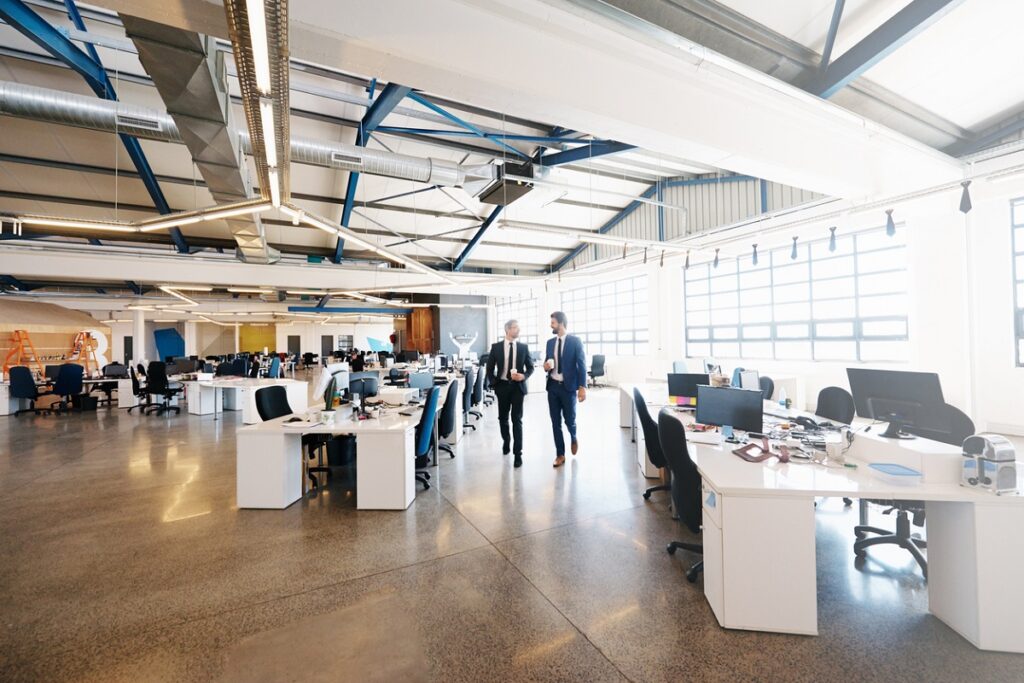
Over half of UK professionals will leave their jobs unless organizations embrace more flexible, collaborative workplace cultures. Research reveals a significant gap between employee expectations and what employers provide, with workers seeking freedom, innovation, and collaborative environments that foster creativity and performance.
Rewriting wellbeing: A creative addition to your wellbeing strategy

Work-related stress has increased by 224,000 cases, prompting HR leaders to explore creative wellbeing solutions. Writing for wellbeing—expressive, creative writing practices—offers proven benefits including reduced stress, improved mood, enhanced focus, and stronger immune function. Simple journaling sessions of just 10-15 minutes daily can significantly improve employee wellbeing and workplace performance.
E-resilience: 5 tips to help you master the technology in your life

Learn practical strategies to manage technology-related stress and improve focus. Discover five tools and techniques—including browser extensions, email batching, and mindfulness practices—to help you stay focused, sleep better, and reduce digital distractions in your work and personal life.
Walking meetings at work: how, what, why, when

Walking meetings boost employee health and productivity by combining necessary workplace conversations with physical activity. This simple initiative helps combat sedentary work habits and improves focus, energy, and creativity without requiring significant organizational investment.
Redundancy recovery: how to get back on track

After redundancy, protect your mental and physical health while understanding your legal rights and financial entitlements. Know your statutory redundancy payments, tax-free allowances, and available benefits, then focus on moving forward through job searching, retraining, or other new opportunities.
How far up your list of priorities are you putting yourself?

Prioritizing yourself is essential for managing stress and maintaining resilience in modern life. Rather than neglecting your own wellbeing while meeting others’ demands, scheduling daily time for rest and reflection strengthens your ability to handle life’s pressures, much like the airplane oxygen mask analogy reminds us to care for ourselves first.
Tackling health and wellbeing: why we created the National Forum for Health and Wellbeing at Work

The National Forum for Health and Wellbeing at Work was created by leading UK employers to address rising mental health issues causing sickness absences and low productivity. The forum brings together HR Directors and Chief Medical Officers to change workplace policies and practices, operating on the principle that good health is good for business.
How to break down persistent silos and connect your organisation – does training help or hinder?

Research shows organizational silos persist because traditional talent development programs fail to create real impact—only 29% of HR leaders report employees act on training skills. Breaking down silos requires mapping organizational relationships, developing connecting skills like coaching, and rethinking how talent development programs are designed to foster collaboration.
Is the power pose a fake? Re-analysing Amy Cuddy’s work

Recent attempts to replicate Amy Cuddy’s power pose research have found mixed results. While hormonal effects remain unclear, studies consistently show that expansive postures increase feelings of power and confidence, which can improve cognitive function and emotional regulation.
My eight-year-old’s workload warning led me to a healthier balance

When her eight-year-old pointed out she was working three jobs at once, this entrepreneur realized she needed to prioritize her health. She shares how she achieved better work-life balance and now helps other parents find flexibility through self-employment.
