
Strategic stress management: HR can’t be left out of the equation

On Stress Awareness Week, Dr Jo Burrell explores how chronic stress is harming the HR profession – and why only systemic solutions will create lasting change.
Is it time for low-paid industries to embrace employee benefits?

Retail, hospitality and healthcare have long treated employee benefits as a luxury they can’t afford. But Gethin Nadin, Chief Innovation Officer at Benifex, argues that the data tells a different story. With turnover rates soaring and talent draining to other sectors, can low-paid industries still afford to hold back?
What’s on your HR agenda for 2026?

The data tells us HR is stretched, expecting big recruitment challenges ahead and focused on AI integration. But does this reflect your experience? We’re asking HR professionals to share what’s really on their minds as we head into 2026 – because your honest perspectives matter to us.
Transform your workplace: Join the CIPD Annual Conference and Exhibition 2025

The CIPD Annual Conference and Exhibition returns to Manchester Central on 5–6 November 2025, bringing together over 7,000 people professionals ready to tackle the biggest challenges facing modern organisations. As a media partner, HRZone invites you to join this flagship event, designed to turn HR theories into practice and embrace the latest research and innovations. […]
Autonomy vs authority: Finding the balance that works

How much freedom should you give your team, and when do they need clear direction? Too much control stifles creativity and breeds resentment. Too little structure leaves people floundering. Internationally renowned conflict specialist Jane Gunn explores what happens when organisations sway too far in one direction – and shows you how to get the balance right for your team.
Are AI and empathy mutually incompatible?

AI promises to remove bias and free up time for human connection – but what happens when algorithms miss the nuance that matters most? Sarah Lardner from Innecto Reward Consulting examines whether AI can truly support empathetic HR practices, or if we risk reducing people to data points in pursuit of efficiency.
Black History Month: Polite inclusion at work is keeping people comfortable

As Black History Month celebrations draw to a close, what does your organisation do next? Put the work into designing real inclusion, or shut down the campaign until next year and maintain an air of ‘polite inclusion’? Judith Germain of The Maverick Paradox invites you to reflect honestly on your organisation’s approach, and offers strategies for redesigning systems that merely present an illusion of progress.
‘Bossware’: How workplace surveillance harms wellbeing and productivity

As firms introduce closer monitoring of employee activity, managers risk abusing their power. Quentin Millington of Marble Brook considers how surveillance harms employee wellbeing and productivity, asking, ‘Is ‘bossware’ merely evidence of weak leadership and a failing culture?’
How to support Black employees impacted by domestic abuse

Domestic abuse affects one in four employees, yet Black victim-survivors face unique barriers that keep many suffering in silence. Susan Bright and Kristin Thue from the Employers’ Initiative on Domestic Abuse (EIDA) explore why systemic racism, cultural stigma and institutional bias demand a more thoughtful response – and what you can do to create truly safe workplaces.
The business impact of family care breakdowns and what employers can do

Family care breakdowns are an unavoidable part of life. But these disruptions don’t just affect your caregiving colleagues – their impact ripples outward to the wellbeing, morale, and productivity of your wider workforce, too. Here, Chris Locke of Bright Horizons highlights the real cost of care-related absences and strategies for reducing them.
Menopause after cancer: The missing workplace conversation

Without tailored support for menopause caused by cancer treatment, organisations risk losing valued talent and gender diversity in leadership. Barbara Wilson of Working with Cancer sheds light on this hidden HR issue during both Breast Cancer Awareness Month and Menopause Awareness Month.
Desk-gruntled: Seating arrangement sparks legal repercussions for estate agency Robsons

A recent employment tribunal ruled that a manager’s desk change at estate agency Robson could be reasonably interpreted as a demotion and was in breach of employment law. Legal expert Rhys Wyborn examines where the company went wrong and how other employers can avoid desk dramas escalating into legal action.
Winners announced for 2025 Culture Pioneer Awards
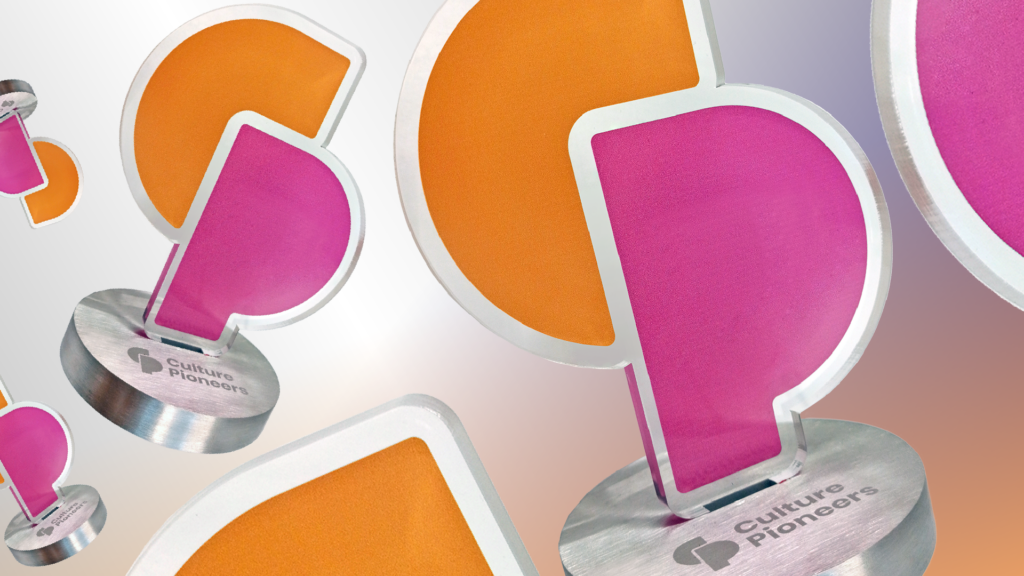
The winners of our 2025 Culture Pioneer Awards are revealed here! Discover the organisations and leaders building thriving workplace cultures that boost loyalty, inclusion and performance.
Why psychological ownership is key to a successful blended workforce

Blended workforces demand more than just flexibility. Sara Daw, Group CEO at The CFO Centre and Liberti Group, reveals why psychological ownership is essential to transform external relationships into genuine partnerships. Discover the three key elements that foster commitment and belonging among freelancers, contractors, and part-time leaders.
The Compass: A dynamic tool to help end tick-box HR

What if your performance management system is solving yesterday’s problem? Zhanna Zhuravleva, HR & Culture Transformation Leader, introduces the Compass: a dynamic tool that helps you move beyond tick-box HR by tracking where your organisation creates value in real time. It’s designed for the uncertainty and speed of today’s AI-enabled workplace.
How to drive culture change when your boss doesn’t want to

Senior leaders now widely recognise the strategic value of workplace culture. But not all bosses embrace the challenge of changing a problematic one. Ella Overshott, Director of Pecan Partnership, outlines the reasons why so many resist or ignore the problem, and how you can overcome (or divert) their defiance.
Naysayers and the hidden value of workplace pessimism

Naysayers – colleagues who see nothing but gloom – drain energy and obstruct change in almost any organisation. But do they also offer a hidden value? Quentin Millington of Marble Brook explores the root causes of doom-mongering and shows how everyone can benefit from pessimism within the team.
Book excerpt: Equity, Diversity and Inclusion Explained by Shakil Butt

Do you look after equity, diversity and inclusion (EDI) in some capacity at work? Inclusion specialist Shakil Butt offers a practical guide to understanding what EDI really means and how to turn good intentions into everyday actions. Here, HRZone offers a snippet from his new book.
Five pitfalls of measuring workplace productivity

Most workplaces chase productivity metrics, but this approach often backfires. Jacqueline Towers of HubStar explores five critical pitfalls of measuring productivity – from outdated metrics to damaged wellbeing – and reveals what truly drives performance. Discover why trust, autonomy and psychological safety matter more than monitoring, and what your organisation should focus on instead.
Four progressive stages of male allyship – and how HR can support the journey

Men are not simply ‘for’ or ‘against’ engaging with gender equity issues. A new global study reveals a developmental pattern at play – four progressive stages that men move through towards allyship. Here, Dr Debbie Bayntun-Lees of Hult International Research School outlines the study’s key findings. She also introduces a diagnostic model to help HR leaders identify and support each stage.
