
From ‘fika’ to offline time: three lessons from European countries about stress management
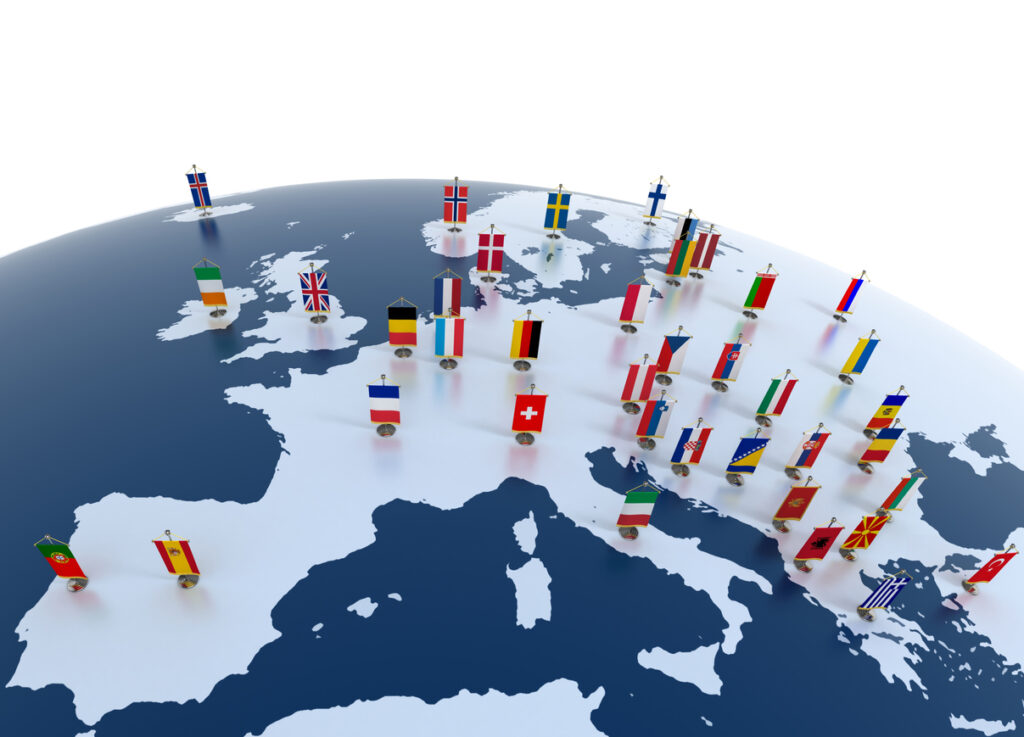
European countries offer valuable stress management strategies for UK workplaces. France’s “right to disconnect” law limits after-hours emails, while Nordic countries employ work-life balance representatives elected by employees to monitor wellbeing and prevent burnout.
Unconventional interview tricks – helping or hindering recruitment?

Unconventional interview tactics like leaving litter on the floor or texting candidates at odd hours aim to reveal culture fit, but may actually harm recruitment. These approaches reduce diversity, discourage innovation, and can disengage existing staff by appearing subjective and unfair.
Ethics in the workplace: what does an ethical business look like?

Ethical organisations don’t naturally embody morality—it must be deliberately engineered into their structure through clear mission statements, embedded policies, and practices that prioritize employee wellbeing and responsible impact on society.
Reaching for the stars: skills advice from a NASA astronaut

Dr. Story Musgrave, a NASA astronaut who witnessed the Apollo 11 moon landing, shares how continuous learning and adaptability are essential for success in today’s rapidly changing world. He argues that thriving requires understanding and following a new set of rules shaped by technological advancement and AI innovation.
What gets measured, gets done: why inclusive workplaces thrive

Becoming a genuinely inclusive workplace means measuring what you do.
Four ways HR leaders can tackle a toxic work culture

HR leaders can tackle toxic workplace cultures by managing emotional responses, quantifying cultural problems through data and case examples, building leadership support, and implementing sustained change initiatives. These strategies help organizations address harassment, discrimination, and other unethical conduct while protecting brand reputation and business performance.
Remote versus mobile working and why it affects diversity and inclusion

Remote and mobile working are fundamentally different, with significant implications for diversity, inclusion and employee retention. While remote work offers flexibility, remote workers often feel isolated and disengaged, whereas mobile employees embedded in physical locations experience richer cultural integration and better retention outcomes.
Why a VUCA business environment can be a positive thing

A VUCA business environment doesn’t have to be negative. By shifting focus from competition to collaboration and embracing vulnerability, uniqueness, and action-oriented solutions, organizations can transform uncertainty into opportunity and unlock employee resilience and innovation.
Recruitment: how aligning words and actions to values can ensure candidates are the ‘right fit’

Align your organization’s words and actions with its core values throughout the recruitment process to attract candidates who are genuinely the right fit. Values-based recruitment already happens unconsciously in how you write job ads, structure interviews, and evaluate candidates—the key is doing it deliberately to ensure the right message resonates with potential hires.
How organizational network analytics is transforming diversity and inclusion through data

Organizational network analytics is transforming diversity and inclusion by using relationship data from employee communications to measure whether inclusion truly exists within companies. This technology helps organizations move beyond hiring diverse talent to creating genuine belonging through understanding workplace networks and interactions.
Communication: it’s time for HR to stop sounding like robots and speak like humans

HR communications often sound robotic and outdated despite modern, informal workplaces. By adopting a warmer, more human tone in internal messages, organizations can boost employee engagement and strengthen company culture instead of creating distance between leadership and staff.
Digital transformation: balancing AI and EI in the digital workplace

Digital transformation demands more than technical skills—employers now prioritize emotional intelligence attributes like adaptability, resilience, and empathy. As AI advances, developing employees’ soft skills and emotional management capabilities becomes crucial for workplace engagement, productivity, and competitive advantage.
Presenteeism and leaveism: can you recognise these attendance problems in your workplace?

Presenteeism and leaveism are workplace attendance problems where employees come to work while ill or work during leave instead of taking time off. Recognizing these patterns—and the red flags behind them—helps HR professionals create a healthier workplace culture and prevent employee burnout and liability.
‘Double stigma’ – LGBT+ and mental health issues in the workplace

LGBT+ employees often face a “double stigma” when experiencing both mental health challenges and workplace discrimination. Discover how businesses can create more inclusive, supportive environments where all employees feel safe being themselves and seeking mental health support.
People analytics – how candidate assessment tools can refine your recruitment process

Candidate assessment tools use data and people analytics to help employers make better hiring decisions by matching applicants to job roles through psychometric and behavioral assessments. When implemented correctly with valid, relevant tests, these tools can refine your recruitment process to identify top performers most suited to your organization’s needs.
How blind recruitment can help close the LGBTQ+ pay gap

LGBTQ+ employees face a 16% pay gap—nearly double the gender pay gap—according to new research. Blind recruitment, which removes personal details from applications to focus on skills and experience alone, could help address this disparity by reducing hiring bias and ensuring fairer compensation.
People vs. machines: the ongoing ethical concerns of people analytics

People analytics offers HR valuable insights, but ethical concerns about data collection and employee monitoring are increasingly critical. Organizations must balance analytical goals with transparency and trust, as hidden surveillance can damage employee relationships and produce unreliable results.
Disability discrimination: why HR needs to better understand epilepsy

People with epilepsy face widespread workplace discrimination despite anti-discrimination laws, with unemployment rates more than twice that of non-epilepsy populations. HR professionals often lack understanding about the condition, making unfair assumptions about seizures and necessary workplace adjustments, leading many employees to hide their diagnosis.
People analytics: why some companies are making a fortune while others are losing out

People analytics success depends on implementation approach. While some companies profit from data-driven workforce insights, others waste resources on infrastructure setup without delivering business results. Understanding different analytics styles helps determine whether organizations thrive or fail.
Employee wellbeing: how to handle parental bereavement

New UK legislation requires employers to provide bereaved parents and primary carers at least two weeks’ paid leave following the loss of a child under 18 or a stillbirth after 24 weeks of pregnancy, effective April 2020. Employers should review their compassionate leave policies and provide additional support beyond the minimum entitlement to help grieving employees transition back to work.
