
Why the human-focused workplace leads to competitive success

A human-focused workplace drives competitive advantage by transforming HR from a support function into a strategic business driver. This approach, using journey mapping and design thinking, helps organizations differentiate themselves and achieve sustainable competitive success.
Workplace mental health: how to be caring, not just compliant

Employers can support workplace mental health meaningfully without complexity or high costs through a simple three-staged approach. Research shows 70% of employees experience mental health issues, yet fewer than half have access to employer support, creating risks of absenteeism and turnover while companies that prioritize genuine care gain competitive advantage.
Dig deeper: how to take our humanity out of hiding

Creating human-focused workplaces requires moving beyond surface-level solutions to address three behavioral traps that keep organizations trapped in outdated patterns. True sustainable change demands understanding the deeper systems at work, particularly how our over-reliance on consistency and control undermines genuine humanity in the workplace.
Celebrating individualism in the workplace

Celebrating individualism in the workplace strengthens organizational culture and creativity. Rather than treating employees as a collective identity, HR professionals should embrace individual personalities and create flexible policies that allow people to be authentic while maintaining professional standards and fairness.
Mental health: why a digital detox is essential for both wellbeing and productivity

Constant digital connectivity harms mental health and sleep, but strategic detoxing can help. Learn three practical strategies to manage technology use: set clear boundaries with others about response times, schedule dedicated screen-free periods before bed, and create device-free time with loved ones to reduce anxiety and improve wellbeing.
Workplace culture: why it’s time to bust the myth of the ‘ideal worker’

Workplace cultures that demand total dedication to work—the “ideal worker” myth—harm both employee wellbeing and organizational performance. Research shows that requiring staff to prioritize jobs over life leads to disengagement, reduced trust, and dishonesty, while employees struggle with strategies to manage these unrealistic expectations.
Are you really awake? Why conscious leaders are key to unlocking wellbeing

Conscious leadership is essential for workplace wellbeing, moving beyond gym memberships to foster a healthy culture where employees can truly switch off. Research shows mentally well employees boost organizational performance, yet many workplaces rely on curative approaches rather than building mental fitness through physical, emotional, social, financial, and digital wellbeing.
It’s not JUST emotions: putting energy and feelings at the heart of your work

Workplace norms ignore our natural energy rhythms and emotional needs, harming performance and wellbeing. By aligning work with circadian cycles, respecting gut instincts, and prioritizing flow over forced productivity, organizations can create more human-centered environments that enhance both individual health and organizational success.
GDPR and HR one year on: three things you need to know

One year after GDPR implementation, 95% of UK HR professionals report compliance confidence, but face new challenges from rising subject access requests and potential Brexit complications. HR teams must extend secure self-service data access to all workers, including gig workers and contractors, while meeting strict response deadlines to avoid significant ICO fines.
The last mile: turning insights into actions in workplace learning analytics

Discover how to overcome the “last mile problem” in workplace learning analytics—where 79% of programs fail due to inability to turn insights into action. Learn strategies to transform analytics into operational execution by prioritizing people engagement, aligning L&D with business priorities, and delivering data-driven solutions to decision-makers.
Do we really need to measure the ROI of our people?

Measuring ROI on people is counterproductive. Research shows only one-third of employees are fully engaged, leaving significant untapped potential. By shifting to human-centered cultures that prioritize employee wellbeing, organizations can unlock exponential returns, as demonstrated by a chemical company that increased sales by 48% and margins by 42% with the same team.
Workplace stress: why good leadership is key to stress management

Good leadership is essential for managing workplace stress, which costs UK businesses billions in lost productivity and absenteeism. Research shows 79% of women and 66% of men experience work-related stress, often driven by toxic workplace cultures that glorify overwork and constant connectivity. Leaders must prioritize employee wellbeing by modeling healthy work-life balance and reducing communication overload.
How to grow your own data scientists: a practical guide for the data-driven C-Suite

Organizations face a critical shortage of data science talent as demand for analytics skills surges. This practical guide helps C-suite leaders upskill existing teams and build a data-savvy workforce by nurturing internal resources, fostering communities of practice, and promoting cross-functional collaboration.
Employee engagement: how HR leaders can restore employees’ faith in career opportunities

Nearly half of UK employees who left their jobs in 2018 cited lack of career opportunities as their reason. HR leaders can restore faith in career progression by introducing incremental promotions and lateral development pathways that build skills for senior roles.
Supporting the business isn’t strategic HR – people centricity is

True HR strategy centers on people, not just business alignment. By putting people at the center and understanding their potential, HR creates unique value that other business functions cannot provide—ultimately serving both organizational success and workforce development.
Taking communication offline to improve workplace relationships and productivity

Discover how taking communication offline can strengthen workplace relationships and boost productivity. The Miticom Friday challenge encourages you to eliminate emails for a day and rely on face-to-face conversations, phone calls, or video conferencing instead, revealing why direct communication is more effective than messaging.
Recruitment: five problems with competency-based interviewing and a few solutions

Competency-based interviewing has limitations that can undermine hiring decisions. This article examines five key problems—from assessing too many competencies to asking leading questions—and offers practical solutions for more effective, conversational recruitment approaches.
De-stressing the business: getting managers and workloads in check

Poor management and heavy workloads are the leading causes of workplace stress. Businesses must develop managers’ skills in delegation and communication while actively monitoring workloads, as stressed employees suffer in silence without open channels for feedback.
Feel the benefit: why it’s time to embrace the rewards and benefits technology sector

Modern benefits technology has transformed significantly, with new user-friendly platforms now making it easier for HR teams to manage employee rewards and boost engagement. Despite these improvements, 40% of organizations still rely on spreadsheets, missing opportunities to strengthen their employee value proposition.
Modern leadership: is neuroscience the solution to toxic leadership?
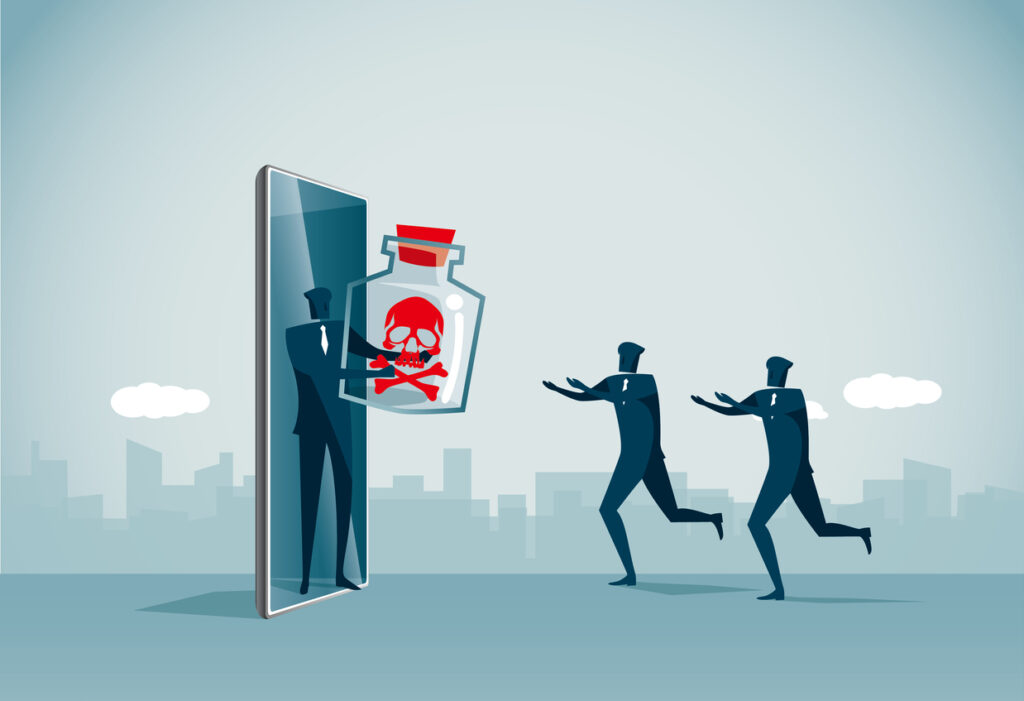
Neuroscience reveals that toxic leadership spreads quickly through organizations because our brains scan for threats faster than conscious awareness. Creating psychologically safe workplaces where employees feel secure activates better performance and engagement, while fear-based environments waste organizational potential.
