How can generosity help with managing a team?

Generosity in team management—through listening, appreciation, and support—boosts employee morale, creativity, and performance. Leaders who make time for their team members and model self-worth create engaged, well-functioning teams that perform at their best.
The diversity challenge? Team cohesion grows from shared goals

Elaborate team-building events like baking competitions and zombie games are increasingly common, but they often fail to build lasting cohesion, especially in diverse workplaces. These activities can exclude team members and don’t address underlying workplace conflicts that require genuine shared goals and purpose to resolve.
“We hire people who want to think for themselves, who want to be a force for good.”

OVO Energy attracts people who want to think independently and make a positive difference in the world. The fast-growing Bristol-based energy company recruits for values alignment and mental agility, with three core principles: being the good guys, finding a way, and building something great.
Bagging a lucrative highly-paid role takes effort and time. Here’s how to focus that effort and shorten the time

Securing a highly-paid role requires a strategic approach focused on two key areas: developing deep expertise and leveraging it through strong professional relationships. By building knowledge, skills, and experience while expanding your network, you can increase your market value and competitiveness for senior positions.
Analysing the potential of psychometric fingerprints

Psychometric fingerprints—patterns of how candidates process information and respond in assessments—are as unique as physical fingerprints. By analyzing response times, correction patterns, and other behavioral data points during testing, employers can now detect how candidates complete assessments and verify test authenticity beyond traditional scoring methods.
Talent management: what can we learn from the Olympic ‘Atlanta debacle?’

Britain’s disastrous 36th-place finish at the 1996 Atlanta Olympics prompted a strategic shift toward focused talent investment and support. This disciplined approach to identifying and developing medal-winning athletes offers valuable lessons for organizational leaders on achieving clarity of purpose and allocating resources strategically for sustainable success.
Artificial Intelligence: I think, therefore AI

Artificial intelligence raises workplace fears about machines outperforming humans, but a closer look at AI capabilities and limitations suggests these concerns are overblown. This article explores philosophical perspectives on machine reasoning and offers practical reasons why human workers will remain valuable despite advancing technology.
“The challenge for any organisation will be to create a culture where the intervention of AI is seen as a positive and not as a threat.”

Organizations must build workplace cultures where AI is perceived as beneficial rather than threatening. As artificial intelligence increasingly automates routine tasks like financial analysis and fraud detection, employee acceptance depends on positioning AI as a tool that enhances human decision-making rather than replaces workers.
Artificial intelligence and HR: partnering now for better business tomorrow

AI-powered technologies are transforming HR departments, enabling them to analyze employee data on culture, productivity, and development in new ways. As HR investments in technology surge, AI solutions like predictive analytics and machine learning help drive business transformation beyond traditional HR functions.
Mergers & Acquisition : Are you heading towards cultural mismatch?

Mergers and acquisitions fail up to 80% of the time, with cultural mismatch emerging as a primary cause of failure. While financial and legal due diligence is standard, organizations often overlook cultural compatibility between companies, risking employee disengagement, loss of leadership continuity, and operational dysfunction.
What’s the connection between leadership & chocolate Hob Nobs?

Peter Anderton explores the core principles of great leadership, drawing from his engineering background to reveal how leaders can move beyond problem-solving to recognize organizational strengths and support team well-being.
A reason to be optimistic about future jobs
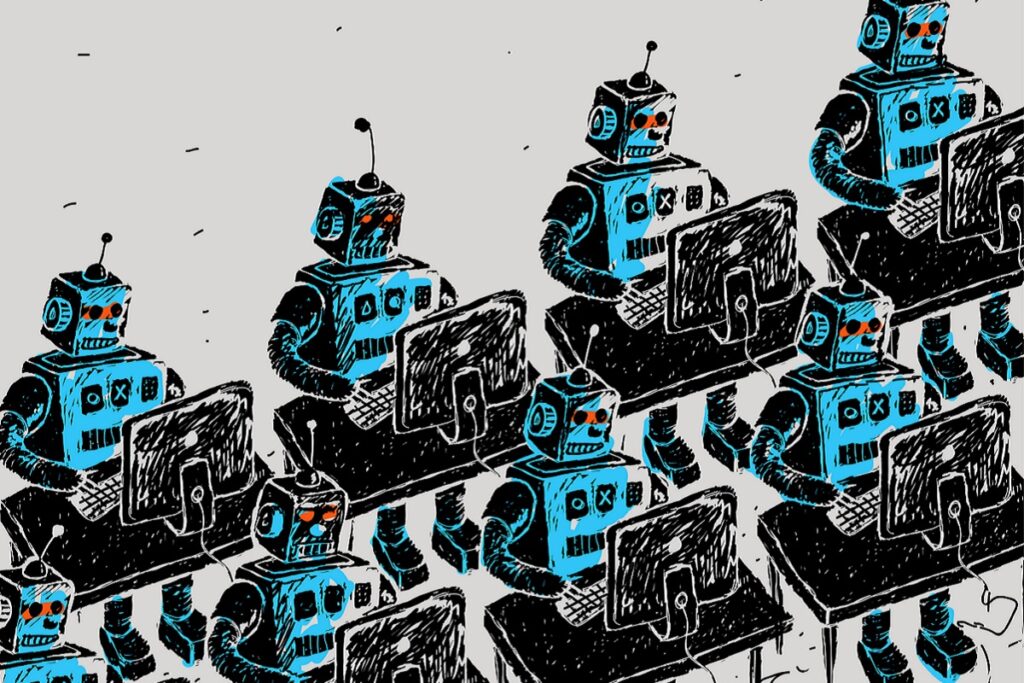
Despite fears that AI will eliminate half of all jobs within two decades, history shows that technological advances create new employment opportunities. Tech writer Luke Dormehl explores reasons for optimism about the future of work amid automation concerns.
Building a strong culture from the inside out

Organizational culture is shaped by everyone, but leadership must provide the guiding direction. While all stakeholders influence culture through their actions and relationships—including supplier partnerships—leaders set the tone by modeling values and ensuring strategic priorities align with cultural goals.
How can you build a Next Generation culture?

Building a next-generation business culture requires leadership that prioritizes learning, experimentation, and employee empowerment over traditional command-and-control approaches. While most executives recognize culture’s importance to performance, only 42% have actively changed their culture in recent years, with barriers including insufficient board support and lack of delegation. Organizations that embrace innovation-led cultures are increasingly outpacing those clinging to outdated practices.
Culture and HR at Great Ormond Street – an interview with the hospital’s deputy director for HR and OD

Great Ormond Street Hospital’s deputy director for HR and OD discusses how organizational culture is shaped by staff behavior, hospital values developed with employees and patients, and the importance of consistency in maintaining culture over time. The hospital is a finalist in three categories at this year’s OC Excellence Awards.
How Atlassian implemented a culture of innovation and continuous improvement

Atlassian maintains a company-wide culture of innovation by hiring for specific values, allocating dedicated innovation time to all employees, and embedding continuous improvement practices within teams. The software company’s approach prioritizes giving people time to experiment and fail, supported by frameworks like their “team playbook” that help teams assess and enhance operational effectiveness.
Reverse culture shock: hitting home when you least expect it

Returning home after years abroad often proves more challenging than expected. Reverse culture shock—the difficulty readjusting to your native culture and identity—can manifest as subtle frustrations or serious emotional struggles, as both home and you have changed significantly during time away.
HR’s role in mergers and acquisitions: before it happens

HR plays a critical role in mergers and acquisitions success, yet is often overlooked during the due diligence phase. Strategic employee engagement from the earliest stages—including assessing organizational culture, morale, and workforce alignment—can significantly impact the merger’s outcome and prevent costly disruption.
“Engagement is about what happens at the actionable step.”

Employee engagement should result in genuine improvements to processes and services, not just intention. Dr John Neil of Unipart emphasized that true engagement requires measurement at the actionable step, where real productivity and performance gains are delivered.
Why do good people do bad things?

Ethical scandals often involve seemingly good people engaging in unethical behavior. Rather than isolated bad actors, these situations typically involve organizational cultures, systemic pressures, and societal factors that enable wrongdoing across multiple levels.