The Brexit White Paper: what does it mean for immigration and employment?

The Brexit White Paper offers limited concrete details on immigration and employment, though it confirms free movement continues until December 31, 2020. The government proposes reciprocal mobility arrangements for intra-company transfers, visitors, and students, but provides no clear plan for what replaces free movement after the transition period ends.
The seven pillars of building a successful company culture

Discover the seven essential pillars of successful company culture: transparency, positivity, measurement, acknowledgement, uniqueness, listening, and how organizations handle mistakes. Learn how to build a sturdy cultural foundation that drives business performance and employee engagement.
What forces are threatening to disrupt your business?

Most digital transformation programs fail because companies focus on technology rather than the cultural mindset shifts required. For sustainable disruption, all C-suite executives must adopt the “Chief Mindset Officer” mentality—combining curiosity, openness, and adaptability—rather than delegating change to a single leader.
People management: nine ways to unleash staff creativity and intelligence

Unlock your team’s full creative potential through co-creative working methods like Appreciative Inquiry and Open Space. This guide offers nine practical strategies to foster staff creativity and collective intelligence, including involving key stakeholders, learning from past successes, and using storytelling to spark innovation.
Gig economy and HR: how to make it work

The gig economy is reshaping workforce composition, with contingent workers projected to outnumber permanent employees by 2027. HR leaders must rethink fundamental practices around job structures, performance metrics, and value propositions to effectively manage mixed permanent and flexible workforces while driving strategic business value.
Mindfulness at work: how 10 minutes can make employees more creative

A 10-minute guided mindfulness meditation session can boost employee creativity by 22%, generating a wider range of original ideas compared to relaxation or fake meditation. Research from Rotterdam School of Management shows mindfulness helps workers feel calmer and more focused, leading to more inventive solutions.
Book review: Designing the Purposeful World

Clive Wilson’s “Designing the Purposeful World” explores how the UN’s Sustainable Development Goals can serve as a blueprint for creating positive global change. The book combines emotional appeal with logical arguments and evidence from thought leaders to demonstrate how purpose-driven thinking can unite people across cultures and professions to build a better future.
Embracing the uncomfortable: a key step in driving business success

Embracing discomfort and challenging traditional processes drives business success. Organizations that question outdated systems, adopt digital transformation, and learn from failures outperform those clinging to legacy approaches. Curiosity and continuous improvement are essential for staying competitive in an evolving marketplace.
Gender pay gap: how to manage the fallout

Large organizations must now disclose gender pay gap data, but many lack strategy for managing employee reactions. Women seeing significant disparities—particularly in bonuses and senior roles—may experience distress and consider leaving, triggering fight, flight, or freeze responses that employers should proactively address.
How to get your new HR system off to a flying start

Discover how to drive successful adoption of your new HR system by leveraging employee champions and simplifying training. When staff resist new processes, creating “super users” who mentor colleagues and offering bite-sized learning sessions can overcome barriers and unlock the efficiency benefits your system promises.
How to give praise – a 4 step process

Learn a four-step process for giving meaningful praise to employees. This approach involves being specific about what deserves recognition, identifying the skill used, explaining organizational benefits, and following up appropriately—helping managers reinforce positive performance and build employee confidence.
Smooth HR technology projects: recap of 12-part series

This 12-part series guides HR professionals through successfully navigating HR technology projects from business case inception to operational handover. Expert Kate Wadia provides practical advice, key questions, and actionable steps to help HR leaders plan, execute, and deliver results-driven implementations.
“The HR function historically has been miscalculated and underestimated.”

Economist Daniel Thorniley argues the HR function has been historically miscalculated and underestimated. Speaking at UNLEASH 2018, he discusses how HR must navigate uncertainty around Brexit and broader challenges including unsustainable business models focused on short-term shareholder value rather than long-term workforce sustainability.
Supporting Success: How to Safeguard the Early Days

The early days of launching a new HR system require careful planning for user support and ongoing assistance. This guide covers how to establish robust support frameworks through managed services, super-users, and communication strategies to ensure smooth operations beyond go-live.
Physical exercise at work: what can be done?

Workplaces can combat sedentary behavior by integrating simple physical activity into daily routines—such as brisk walking, using stairs, and active commuting—rather than relying on formal gym programs. With employees sitting an average of 9.5 hours daily, even 10 minutes of movement can reduce risks of musculoskeletal issues, diabetes, and cardiovascular disease.
Leading remote teams: how to deal with conflict

Remote team conflicts often arise from limited information flow and text-based communication, making it easy to misinterpret colleagues’ intentions. Building trust through transparent communication and deliberate culture design helps teams address disagreements constructively while preventing destructive conflict.
Leading remote teams: why you need a different mindset
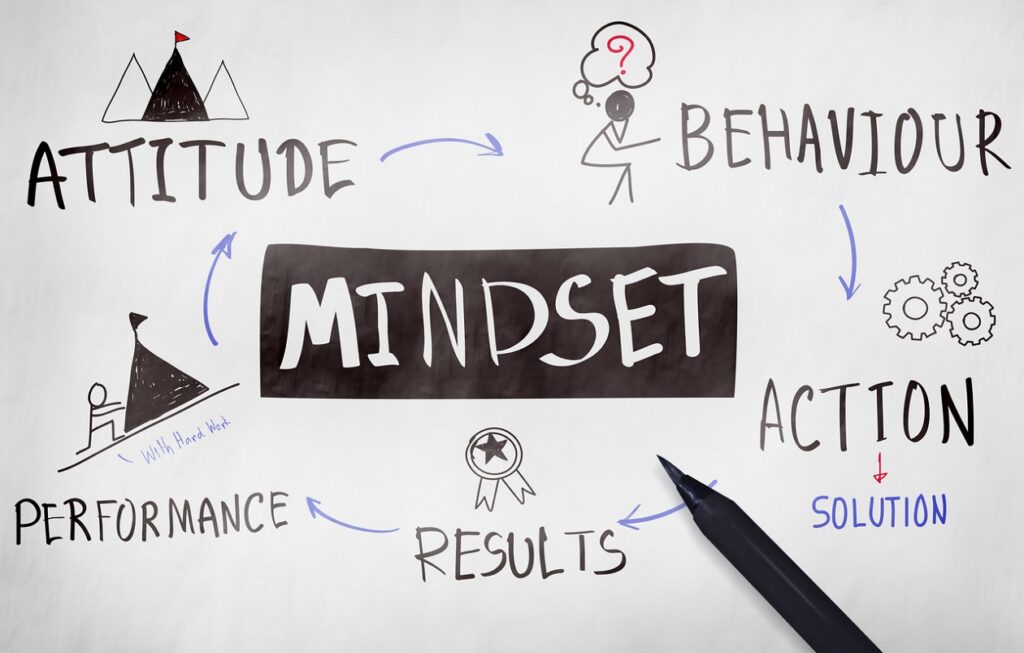
Leading remote teams requires shifting from monitoring presence to evaluating results. Successful remote managers must trust their teams, focus on deliverables rather than hours worked, and establish clear communication agreements that balance autonomy with accountability.
Interview: Kim Wylie, Head of Customer Change and Culture, Google

Kim Wylie, Head of Customer Change and Culture at Google Cloud, leads change management initiatives across EMEA, Japan, and Asia Pacific. She helps large organizations navigate digital transformation through proven change management methodology, focusing on aligning people, values, and processes with technology deployments.
2 minutes with… Helen Williams, HR Leader, Statoil
Helen Williams, HR Leader at Statoil, discusses her focus on diversity, inclusive culture, and empowering leaders to unlock team potential. She shares insights on leadership development, performance management trends, and lessons learned from implementing organizational change initiatives.
The Go-Live Milestone: Getting it out there!

The go-live milestone marks the transition from preparation to execution in HR technology implementation. This critical stage involves activating security profiles, switching system settings, publishing access links, and managing data cutoff points while mitigating organizational and cultural risks. Proper preparation across earlier project phases—data management, testing, and engagement—is essential for a successful launch.