
Four things you should never say about change

Effective change communication requires leaders to move beyond clichés and recognize that employees experience organizational change differently based on their position. Rather than assuming people resist change naturally, HR professionals should acknowledge the emotional complexity of transitions and provide genuine support tailored to individual needs.
EU Settlement Scheme: time for UK businesses to prepare for Brexit

UK businesses must prepare their HR teams to support EU citizens applying for the EU Settlement Scheme before the June 2021 deadline. The scheme allows EU and non-EU family members to continue working and living in the UK after Brexit, with settled or pre-settled status depending on residency length. Employers are responsible for informing staff about application requirements and compliance obligations.
Business benefits: what do employees really want?

In a competitive job market, most employers struggle to benchmark their benefits packages against competitors who keep offerings confidential. To discover what attracts and retains talent, companies must communicate directly with employees about their actual needs and preferences.
It is time to rethink your pension communications?

Most UK companies struggle with pension engagement, with just one in 10 satisfied with employee participation. This guide shares eight research-backed strategies to make pension communications more relevant, engaging, and impactful for your workforce.
Connecting candidate, employee and customer experience through a strong culture
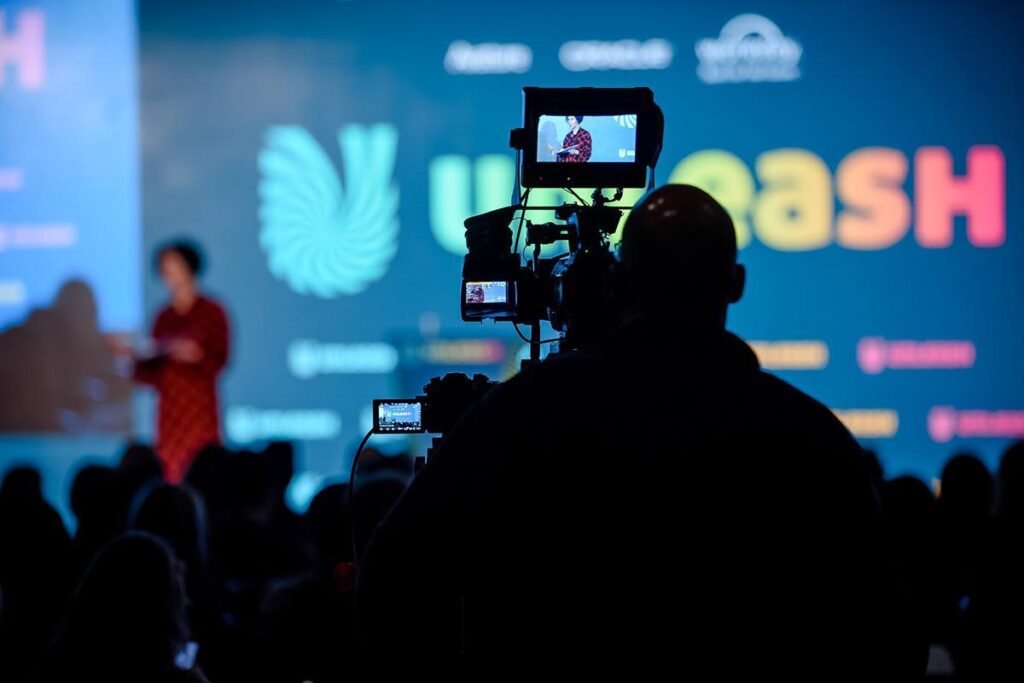
Strong company culture directly shapes how employees treat customers and how candidates perceive your brand. Metro Bank connects these experiences by hiring for attitude, investing in employee development, and treating internal teams like valued customers to create exceptional service that builds loyalty at every touchpoint.
Company transition: three ways HR leaders can get on the right road

HR leaders should proactively plan for company transitions by building supportive strategies into organizational culture rather than reacting hastily during crises. Companies like Ikea and Starbucks demonstrate that workforce changes often reflect evolving consumer preferences and business evolution, not just financial hardship.
Three ways to make your employee benefits provider work for you

Maximize your employee benefits program by actively directing your provider rather than accepting their standard approach. Communicate your staff’s unique needs, maintain brand alignment, and ensure sustained engagement to achieve genuine buy-in across your organization.
Why building trust can improve employee engagement

Building trust with employees is essential for engagement, as it creates a culture where workers feel supported and empowered to perform at their best. While compensation matters, trust—formed through consistent actions and mutual respect—fulfills deeper human needs for autonomy, mastery, and purpose that money alone cannot provide.
Transformation: HR’s great hope or more hype?

Purpose-washing—exaggerating a company’s positive impact and values—has become increasingly common as organizations compete for talent and reputation. While marketing and HR teams embrace trending language like “our people are our greatest asset,” there’s often a mismatch between these promises and employee experiences on platforms like Glassdoor. Though workplace terminology naturally evolves over time, distinguishing between genuinely valuable transformation and hollow corporate messaging remains essential.
How to create an attractive employee value proposition

Learn how to develop an authentic employee value proposition that attracts talent, improves retention, and enhances engagement. Discover why many organizations struggle with outdated EVPs and get practical strategies for aligning your employer brand with actual employee experience.
What’s the point? Why HR should embrace absurdity at work

HR professionals can benefit from recognizing workplace absurdity—contradictions between organizational rhetoric and reality that undermine employee engagement and meaning. By acknowledging these patterns rather than trying to control them with more rules, HR leaders can address deeper issues affecting workplace culture and fulfillment.
10 ways to unleash the potential of dyslexic employees

Discover 10 practical strategies to support dyslexic employees and unlock their potential. With approximately 2.9 million dyslexic workers in Britain, creating an inclusive workplace through mentoring, diagnostic assessments, and accessible content benefits everyone.
Most-read HRZone articles of 2018

Discover the top 10 most-read HRZone articles of 2018, covering people analytics, employee benefits, wellbeing, engagement, and remote working. See what HR professionals were reading and ensure you haven’t missed essential insights from industry experts.
How to help your employees become more resilient

Organizations can boost employee resilience by fostering openness, providing stress management training, and modeling healthy work practices. Key barriers like emotional avoidance and boundary-setting challenges often stem from workplace culture rather than individual shortcomings alone.
Why wellbeing in the workplace is a joint effort

Workplace wellbeing requires collaboration between employers and employees. Employers must offer meaningful benefits like flexible working and wellness programs, while employees need to actively engage with these offerings. Effective two-way communication ensures initiatives truly support staff needs.
Book review: Who can you Trust? How Technology Brought Us Together – and Why It Could Drive Us Apart

Rachel Botsman explores how technology has fundamentally transformed trust through three distinct ages: from local community trust to institutional trust to distributed trust via digital platforms. This insightful review examines how breaches of institutional trust have shaped modern society and examines both opportunities and risks of platform-based trust systems.
How visual communications could transform your business

Visual communication in the workplace significantly boosts employee productivity and task completion. Yet most businesses still rely on plain-text emails despite research showing 67% of employees perform better with video and image-based communications, especially among younger workers.
Is there such a thing as emoji-nal intelligence?

Emojis can enhance workplace communication and emotional intelligence by helping workers better understand and express nuanced feelings in emails and text messages, though they should complement rather than replace face-to-face interactions.
How to lead people through transitions

Help your employees navigate organizational change by understanding their individual concerns and motivations. Managers must distinguish between resistance symptoms and root causes, avoiding manipulation while supporting people through transition at their own pace.
The dialogue of change : how to get it right

Effective organizational change communication requires timely, sensitive dialogue with employees rather than impersonal email announcements. Leaders must address employees’ primary concern—how change affects them personally—through direct engagement to build buy-in and reduce anxiety.
