
Women are saying no to promotions: Here’s what needs to change

Women are increasingly saying ‘no thanks’ to senior leadership roles. Emma Georgiou has five top tips to better design leadership roles and reverse the trend of promotion burnout.
When policy isn’t enough: Why judgment matters as much as process

Employment law specialist Phil Pepper explores why enforcing policy and protecting reputation aren’t always the same thing, and advises on what HR can do about it before the next incident.
Five steps: Stop running HR. Start running the business

Kerry Unflat has put together a practical guide for CHROs who want to move from programme ownership to operational ownership, with a five-step framework for becoming the function that makes the business actually work.
CIPD Festival of Work 2026: Key takeaways for HR leaders

More than 12,000 people professionals gathered at this year’s CIPD Festival of Work. Here’s what the sessions actually said about the current state of HR and where the profession needs to go next.
Five steps: Stop senior meetings ending in agreement but no action

“It’s the same conversations in the same meetings, then everyone goes back to their desks and carries on as before.” If this sounds familiar, Penny Haslam has five practical techniques to help HR break the cycle and head off issues of demotivation, retention and productivity.
Why CEO burnout is undermining your wellbeing strategy

Work-life balance is the number one priority for today’s job seekers. But when senior leaders publicly embrace long hours and an always-on mentality this undermines wellbeing strategies, writes Chris Britton.
What meaningful menopause support actually looks like: From someone on the ground

Menopause coach Julie Cosgrove explores what a meaningful Equality Action Plan actually looks like for menopause support, from someone who works with these women every day.
Five reasons workplace change fails, according to neuroscience

Only 32 per cent of workplace change initiatives succeed. By understanding the neuroscience behind why, leaders can take a more effective approach, writes Jacqueline Towers.
Three years of HR wellbeing data reveal one clear truth: Support matters

Ultimate Resilience’s 2026 HR Mental Wellbeing Report has just landed. Report authors Drs Jo Burrell and Felicity Baker unpack the findings and share five practical strategies to help organisations better support their HR teams.
The stability paradox: When good retention hides disengagement

While retention is up, engagement isn’t. With a new workforce behaviour called ‘job hugging’ taking hold, Adrian Seligman says HR leaders need to ask if people are staying because they want to, or because they’re scared to leave.
Rethinking menopause support: Moving beyond policy to deliver real workplace impact

As more employers look to support women across longer and more varied careers, Sarah Taylor shares how to move beyond awareness and towards meaningful healthcare support.
Shaping the future: Your guide to the CIPD Festival of Work 2026
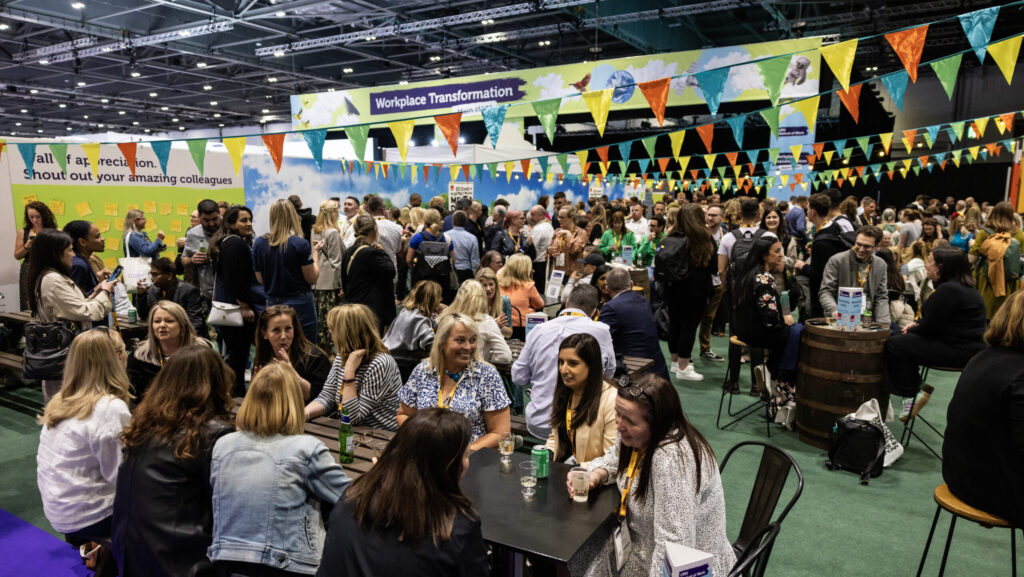
Ahead of the event next month, read how, through seven stages of strategic insight, the 2026 Festival is delivering on its mission to equip people professionals and organisations with the tools to increase productivity and improve business outcomes.
Who is the fairest of them all?: Defining and delivering fairness in a fragmented workforce

Fairness is no longer about treating everyone the same, argues Jenny Hinde. It’s about balancing equality, equity and affordability, and communicating the reasoning behind every people decision with transparency and data.
Code red: What leaders can do about the great employee engagement crisis

With Gallup’s new research finding that employee engagement in the UK is at an all-time low of 10 per cent, Mark Griffith explores the employee engagement crisis and how strategies driving in-person experiences and connection could be the solution.
The ‘midlife money squeeze’ is affecting your best people

Financial stress in UK workplaces is at crisis levels, risking retention and productivity. Gethin Nadin advocates for treating financial wellbeing with the same institutional seriousness as mental health.
Your wellbeing scores look great. That might be the problem

While 64 per cent of organisations are actively working to reduce workplace stress, only half think it’s making a difference. Parental coach Giulia Galli examines the gap and advises on meaningful ways to close it.
Sickfluencers: Why this tabloid narrative is bad for business

Another term is doing the rounds and how we respond to the narrative it carries will have huge impacts on psychological safety and belonging. Deborah Hartung warns against letting the ‘sickfluencer’ rhetoric infiltrate your culture.
When AI adoption becomes performance theatre: Inside the new kind of employee disengagement

Mandating AI without a clear purpose or strategy is creating distrust. Stephanie Davis Neill delves into the new form of employee disengagement that’s emerging and what organisations are getting wrong about change management.
Why you need to to rewild your organisation

Burnout comes from outdated systems that are consuming energy. Thom Dennis believes that rather than seeking to change the people without changing the structure, it’s time to remove the constraints that prevent natural processes from reasserting themselves, and then step back and watch the magic unfold.
HR is watching you: Why pulse surveys are killing trust

Workforce diagnostics and engagement surveys are everywhere and yet engagement stagnates and turnover is increasing. Brian Bakeberg warns that when we measure without providing the agency to act, employees start to feel less heard and more surveilled.
