If your organisation came to life as a person, how would you describe it?

Explore how personifying your organization can reveal employee engagement issues. This approach, developed by Martin Reddington, helps leaders understand the social and economic exchange between employers and employees, particularly in public sector roles where engagement often depends on organizational dynamics rather than the work itself.
Book review: The Coaching Habit: say less, ask more & change the way you lead for ever

The Coaching Habit by Michael Bungay Stanier offers practical guidance on adopting a coaching leadership approach. The book identifies three vicious cycles managers fall into and presents seven essential coaching questions to unlock employee potential and improve organizational outcomes. With accessible writing and actionable habit-building tips, it’s valuable for HR leaders and business professionals seeking more effective leadership styles.
Getting employee engagement on your CEO’s agenda: Create actionable steps

Learn how to get your CEO actively supporting employee engagement by understanding what prevents leader buy-in and taking actionable steps to overcome barriers around leadership abilities, company culture, and personal motivations.
Getting employee engagement on your CEO’s agenda: Appeal to emotional triggers

Learn how to appeal to CEOs’ emotional drivers—autonomy, reputation, and legacy—to secure their commitment to employee engagement. Effective strategies focus on emotional connection rather than statistics, helping leaders understand how strong employee engagement protects their interests and enhances their professional standing.
Getting employee engagement on your CEO’s agenda: Presenting your case

Learn how to get your CEO’s attention on employee engagement by presenting a compelling business case backed by data, emotional appeals, and actionable steps. This three-part guide equips you with strategies to demonstrate the economic benefits of engagement while aligning with your leadership’s priorities.
“It was great to see the enthusiasm for adopting the new way we want to talk to customers”

Tesco Bank restructured in 2014 to shift from product-focused to customer-centered operations. Working with Cirrus, the bank developed an interactive Customer Engagement Programme using disruption sessions and workshops to help staff delight customers consistently, moving away from process-driven calls toward empathetic, customer-focused communication.
5 steps to support mental wellbeing in the workplace

Discover five evidence-based strategies to support mental wellbeing in your workplace, from prevention techniques and stress management to fostering open conversations. Creating a supportive environment helps reduce burnout, improve employee performance, and address mental health as a priority equal to physical health.
Internal comms: lessons from the ad industry

Internal communications professionals can learn valuable lessons from the advertising industry to improve employee engagement. Research shows that effective internal comms correlate with 47% higher shareholder returns and save businesses thousands in wasted time clarifying messages. By adopting behavioral insights and emotional appeal techniques from consumer marketing, organizations can transform their internal communication from mediocre to impactful.
How an effective EAP can help you anytime, anywhere

Employee Assistance Programmes (EAPs) integrated into mobile-accessible benefits apps help UK organisations support staff mental health anytime, anywhere. With one in four adults experiencing mental health issues annually, mobile-first EAPs allow employees to access support at convenient times, improving engagement and wellbeing outcomes.
Are your employees seen but not heard?

Employee voice is becoming increasingly complex due to technology, new employment models, and workforce diversity, yet many organizations aren’t adapting their internal mechanisms to hear all employees. Beyond traditional channels like unions and staff forums, workers now use social media platforms to express concerns publicly, risking alienation when employers fail to listen. Forward-thinking organizations recognize that listening to diverse voices, from frontline workers to gig economy employees, drives innovation and reveals valuable business insights.
Redundancy recovery: how to get back on track

After redundancy, protect your mental and physical health while understanding your legal rights and financial entitlements. Know your statutory redundancy payments, tax-free allowances, and available benefits, then focus on moving forward through job searching, retraining, or other new opportunities.
Tackling health and wellbeing: why we created the National Forum for Health and Wellbeing at Work

The National Forum for Health and Wellbeing at Work was created by leading UK employers to address rising mental health issues causing sickness absences and low productivity. The forum brings together HR Directors and Chief Medical Officers to change workplace policies and practices, operating on the principle that good health is good for business.
How to build a business case for your employee engagement programme
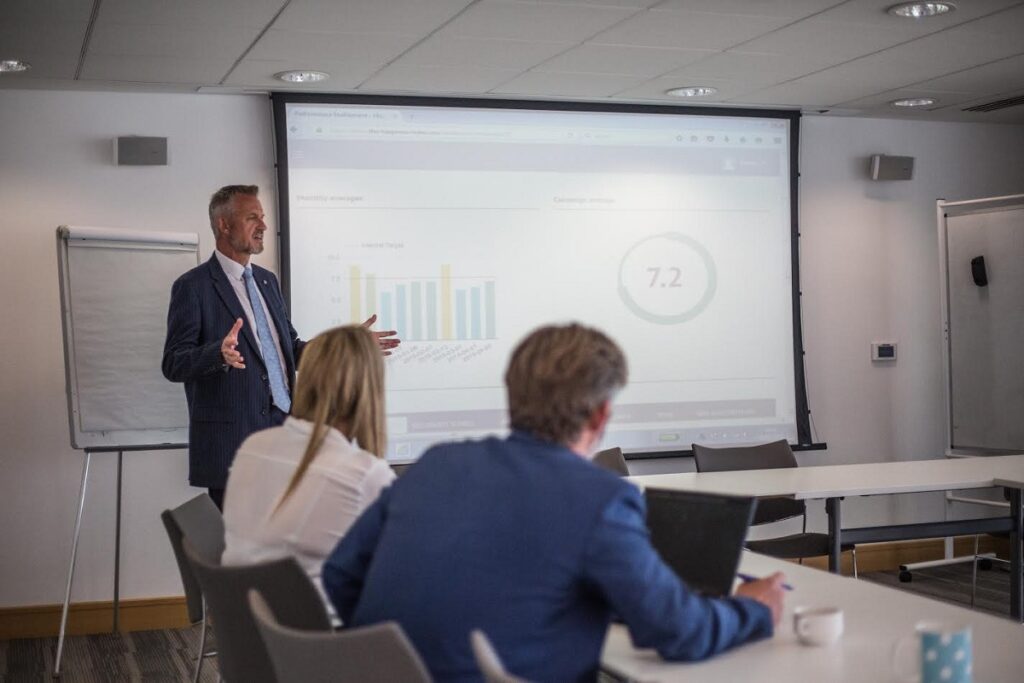
Learn how to build a compelling business case for your employee engagement programme using real-time people analytics. Discover why traditional annual surveys fail and how measurable engagement data drives productivity, retention, and organizational performance.
Beyond quotas: what are the ingredients for true diversity?

True diversity goes beyond demographic quotas to embrace cognitive diversity and varied perspectives. While major tech companies struggle with quota-based hiring, research shows diverse teams drive innovation and improve business performance by up to 80%. The key is balancing inclusion with shared values alignment.
Managing the pitfalls of meaningful work

Meaningful work benefits employees and employers through higher engagement and lower turnover, but employers face challenges since meaningfulness is deeply personal and cannot be mandated. Recent research reveals key pitfalls in fostering meaningful work effectively.
The business advantages of engaging in corporate social responsibility

Corporate social responsibility helps businesses attract and retain Millennials who value purpose-driven work. CSR initiatives—from sustainability practices to community investment—boost employee engagement and company image while creating positive social and environmental impact.
Employee engagement at RHP Group

RHP Group appears on the Great Place to Work Best Workplaces list by prioritizing unique culture, empowering employees to make decisions, and creating memorable engagement activities. The company puts people at the heart of everything, hiring based on behaviors first and technical skills second to protect its values.
Employer brand: Creating a company your employees feel proud to work for

A strong employer brand—where employees feel proud, valued, and respected—directly impacts your corporate reputation and ability to attract and retain talent. Creating genuine employee engagement requires moving beyond annual surveys to implement comprehensive programs that develop people, reinforce company values, and drive meaningful behavior change from the top down.
Engagement and corporate brand reputation: what’s the link?

Employee engagement directly shapes corporate brand reputation, as your people’s behaviors and interactions with stakeholders create lasting impressions that define how your company is perceived. Companies like John Lewis demonstrate this connection by prioritizing employee happiness, which translates into consistent customer experiences and stronger brand loyalty.
The office choir: can music revolutionise the boardroom?

Music in Offices uses choirs and music-based workshops to boost employee engagement and wellbeing in major corporations. The #RevolutionisetheBoardroom campaign encourages employers to embrace music and the arts as core business strategy tools for improving workplace culture and motivation.