Britain isn’t booming – could a wider good work agenda help?

In the context of crises and precarity, there are actions that employers can take to better support people’s lives and help bring back Britain’s ‘boom’
How can organisations manage their relationships with unions to prevent strikes?

Rewiring traditional HR policies and repairing relations with unions are key to the future success of businesses
Five ways to improve financial wellbeing without the battle for budget

Even with limited budget, there are ways that companies can get creative in ensuring the long-term financial wellbeing of their employees
Reverse retention tactics growing in economic downturn

The potential of an upcoming ‘reverse retention’ trend could be a thorn in HR’s side. How can you mitigate this risk?
The Human Economic Manifesto: Seeking prosperity, not profit

The current capitalist approach to value creation is killing our planet and our people. Perry Timms suggests another way of doing business…
Strike action: What does the law say and how should HR respond?
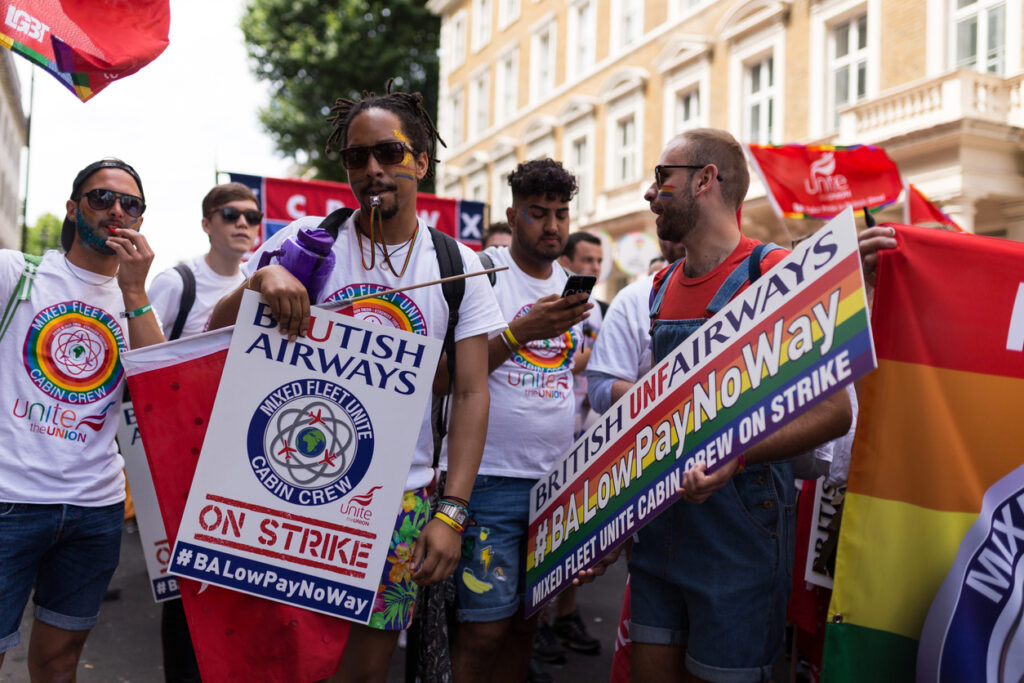
Samantha Dickinson discusses what the laws are on industrial action and how employers should respond when threatened with strikes.
Financial wellbeing in 2022: Employers must step up to support the huge cost of living

With the cost of living sky-rocketing, now is the time for employers to step up to help support staff in 2022.
Financial Wellbeing: Something isn’t adding up

For Talk Money Week Gethin Nadin discusses how improving employees’ numeracy can help with their wellbeing.
The ripple effect: Managing the economic fall-out post-pandemic

Alec Levenson examines the ongoing effects of the global pandemic on our working environment and the global economy.
The new costs of consumption and work in the wake of Covid-19

Part two of Alec Levenson’s series on how the pandemic has affected the global economy and the world’s labour markets
Financial wellbeing: five top tips to help your people through economic recovery

Helping employees take better care of their finances is a priority for 2021.
The Budget 2020: what HR professionals need to know

The key measures affecting HR professionals and employees.
Engagement in the gig economy: a classic oxymoron?

The gig economy now represents 15% of the British workforce, with five million classified as gig workers—many in high-skilled professional roles. Organizations must integrate gig workers as valued team members through respectful communication and engagement strategies to boost productivity and business success.
General election 2019: Which of the party pledges on adult education will best support lifelong learning?

The 2019 general election saw major party pledges on adult education to address workplace automation risks. Labour proposed free lifelong learning for up to six years, the Liberal Democrats offered £10,000 skills grants per adult, and the Conservatives pledged a £3 billion skills fund to support training and education participation.
Good Work Plan: what are the implications for employers?

New employment law changes take effect April 6, 2020, including earlier delivery of written employment contracts, revised holiday pay calculations based on 52-week averages, and removal of the Swedish Derogation for agency worker pay parity.
How to combat the looming UK staffing crisis

The UK faces a significant staffing crisis, particularly in hospitality, with hundreds of thousands of vacant positions and potential workforce losses post-Brexit. Businesses can address this challenge by improving recruitment practices, distinguishing job offers, and showcasing career pathways to attract and retain employees.
The gig economy: how has the Government responded?

The UK Government has responded to the gig economy’s rapid growth through the Taylor Review and proposed legislation, including clearer employment status classifications, enhanced worker protections, and new rights for flexible workers. These changes aim to balance workplace fairness with the flexibility that characterizes modern work arrangements.
Six ways HR teams can prepare for Brexit

HR teams must prepare for Brexit’s impact on EU workers and immigration policies. Key preparation steps include identifying EU employees, understanding settled status requirements, and planning for potential changes to hiring practices and compliance obligations.
HR books for review: what has HRZone got available?

HRZone offers free business books for review across HR, leadership, culture, management, and personal development topics. In exchange for a complimentary book, reviewers are asked to submit a 400-700 word review assessing the content’s relevance for senior HR directors and business professionals. Contact the editor at editor@hrzone.com to request a book review copy.
Recruitment and retention: How hospitality businesses can stay ahead during post-Brexit anxiety

Brexit threatens UK hospitality with potential staff shortages of 60,000 workers annually, as high turnover combines with EU worker uncertainty. Employers can mitigate recruitment and retention challenges through flexible working policies, clear career development pathways, and proactive workforce planning strategies.