
Presenteeism in academics: a shift to the twilight zone

UK academics frequently work while ill due to high workload pressure, lack of manager support, and limited control over their schedules. A survey of 5,209 university employees found nearly half work sick often or always, with 92 percent continuing work at home during sick leave. Job involvement and responsibility to students are key drivers of this presenteeism.
Presenteeism in prison officers: a case study in pressure

UK prison officers frequently work while sick due to punitive absence policies, staffing shortages, and safety-critical job demands. A survey of 1,682 officers found 84% felt pressure to work ill, with presenteeism potentially compromising both personal health and prison safety.
Tackling absenteeism could increase presenteeism: what can be done?

Strict absenteeism policies may inadvertently increase presenteeism, where employees work while sick. Organizations should reduce punitive measures and consider workplace context to address both issues effectively, as presenteeism carries greater economic costs than absenteeism.
E-resilience: 5 tips to help you master the technology in your life

Learn practical strategies to manage technology-related stress and improve focus. Discover five tools and techniques—including browser extensions, email batching, and mindfulness practices—to help you stay focused, sleep better, and reduce digital distractions in your work and personal life.
Walking meetings at work: how, what, why, when

Walking meetings boost employee health and productivity by combining necessary workplace conversations with physical activity. This simple initiative helps combat sedentary work habits and improves focus, energy, and creativity without requiring significant organizational investment.
My eight-year-old’s workload warning led me to a healthier balance

When her eight-year-old pointed out she was working three jobs at once, this entrepreneur realized she needed to prioritize her health. She shares how she achieved better work-life balance and now helps other parents find flexibility through self-employment.
“As a manager of flexible workers, it is important to put trust in your team.”

Managers of flexible workers must build trust in their teams and focus on results rather than presence. To overcome adoption fears, organizations should shift from presenteeism culture to outcome-based performance measures and provide employees with the right tools and flexibility options.
Is full satisfaction at work even a possible or desirable goal?

Only 10% of workers report complete job satisfaction, raising the question of whether total satisfaction is a realistic or even desirable workplace goal. The article explores whether perks like free coffee genuinely increase fulfillment or merely mask underlying dissatisfaction, and challenges assumptions about what healthy workplace expectations should be.
How to make maternity leave work for both employers and employees

Four in 10 women return from maternity leave feeling out of touch with skills and office practices. Employers can support retention and employee satisfaction by offering flexibility, mentoring for returning parents, and inclusive workplace culture that welcomes reasonable requests from all staff.
How to negotiate for family-friendly work habits

Learn how to successfully negotiate family-friendly work arrangements by offering creative solutions to potential staffing challenges. Focus on presenting benefits for both you and your employer, keeping your request positive and solution-oriented, and demonstrating how flexible working arrangements can boost productivity.
What mothers want: What women say about how they can be best supported in the workplace

Mothers face ongoing workplace discrimination, with flexible working policies often insufficient to ensure genuine support. Employers must move beyond surface-level arrangements to create individualized options, monitor career progression for flexible workers, and build a company culture that actively supports working parents rather than sidelining them.
Going back: what fears and hopes do mothers have before returning to the workplace?

Mothers returning to work after maternity leave face deep anxieties about missing their children and managing competing demands, yet many hope returning to work will reignite their sense of purpose and ambition. Real conversations from Mumsnet users reveal the emotional complexity of balancing parenthood and career.
Beyond the nappy zone: Why older people and carers need flexibility too

Flexible working isn’t just for parents of young children—older workers and carers also need workplace flexibility to maintain financial independence and meet their responsibilities. As retirement ages rise and demographic shifts increase the number of older workers, flexible arrangements become essential for managing health needs and caregiving duties.
Before we fix the gender pay gap, let’s fix gender opportunities

A survey reveals that 98% of working mothers want part-time roles, yet only 8.7% of jobs paying £20,000+ offer flexible options. With 71% of respondents holding bachelor’s degrees, excluding highly qualified women from the workforce represents a significant loss of talent and economic potential.
“It’s nice to have an ad-hoc conversation where you can help someone”

Freelance HR consultant Giles O’Halloran shares how he balances client calls, drop-in HR surgeries for SMEs, and ad-hoc consultations throughout his typical workday, showcasing the flexibility and variety of modern HR consulting.
Why a family-friendly approach is good for business

Family-friendly workplace policies improve employee retention and help businesses attract talent. Companies offering benefits like flexible leave, childcare support, and career development for parents see higher return rates after parental leave and stronger gender equity.
WHSmith’s plan to increase number of ‘mental health first aiders’

WHSmith is training all 1,100 line managers in Mental Health First Aid over the next 12 months to match the number of physical first aiders. The retail company partnering with Mental Health First Aid England aims to raise mental health awareness, reduce stigma, and provide workplace support for its 14,000 employees.
Coworking – the opportunities and challenges for HR
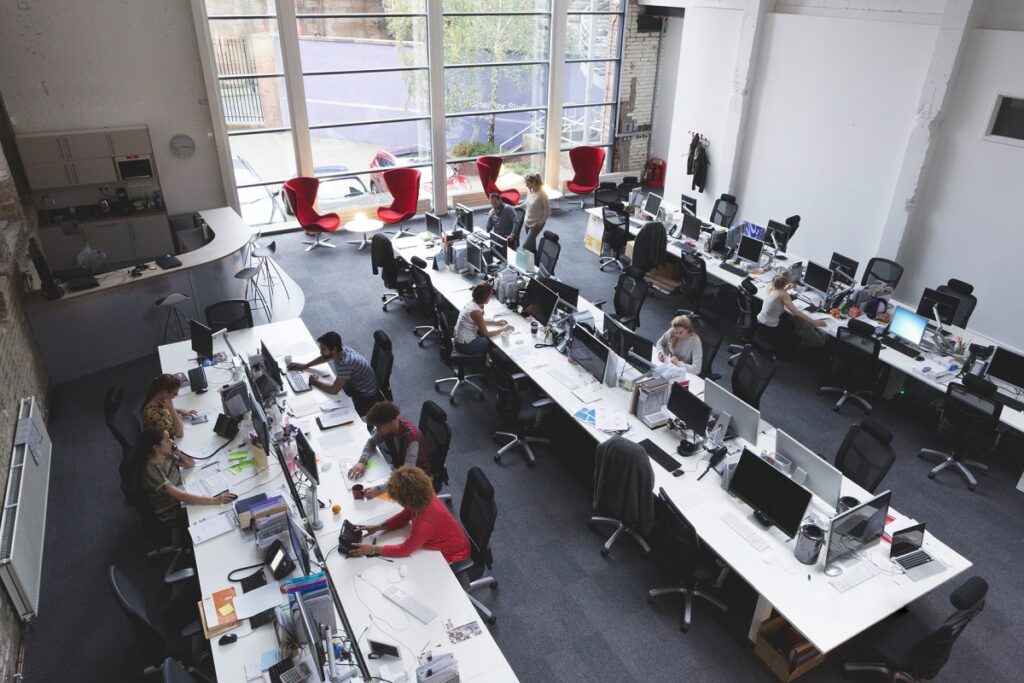
Coworking spaces bring diverse teams together, fostering innovation and flexibility for companies of all sizes. However, HR departments must address data security and confidentiality challenges through robust cyber policies and careful planning to maximize benefits.
The ‘gig economy’: how does HR need to adapt to this new breed of employee?

The gig economy is reshaping how companies employ workers, with self-employment growing from 12% to 16% of the UK workforce since 2008. HR departments must adapt to managing freelancers and independent contractors while navigating employment laws designed for traditional full-time positions, as this flexible workforce model continues expanding rapidly.
In defense of night: we treat it with disdain yet spend 26.5 years asleep

Sleep has been historically undervalued despite its critical importance to health and survival. Recent research reveals sleep’s essential functions including brain detoxification, immune maintenance, and appetite control, yet society still glorifies functioning on minimal rest, leading to impaired cognition and increased accident rates.
