
Flexible working: how can we prevent burnout in an ‘always-on’ culture?

In today’s culture of constant connectivity, are we in danger of risking employees’ wellbeing for the sake of a speedy response?
Diversity and inclusion: gendered ageism and how HR departments can address it

Older women in are often subjected to discrimination at work – it’s time that stopped.
Benefits in 2020: how can HR meet the changing needs of employees?

Four steps employers can take to attract and retain the best talent over the coming year.
Personal development: why your mood is the great game changer

Success at work comes down to the right mindset.
Employee engagement: will Black Friday pull you in a darker direction?

Black Friday is a challenging time for customer-facing staff.
Employee wellbeing: how best to support an employee through fertility treatment

Employers struggle to support those facing fertility issues.
Wellbeing: how employers can support a social wellness culture through benefits

How digitalisation has changed the way we interact with our colleagues.
Employee wellbeing: building a psychologically safe place for all

Creating work environments that allow employees to be themselves.
Stress awareness: five steps to improve employee wellbeing

How to manage workplace stress proactively and effectively.
How to embed neurodiversity into your people management practices

Just 10% of HR professionals have considered neurodiversity in their organisation.
Inclusion at work: the future is female – and older

Women in their 50s and 60s are making up a bigger part of the workforce than ever before.
Employee wellbeing: how does racism affect mental health?

Employees who experience racism are more likely to suffer from poor mental health.
World Mental Health Day: achieving equality between mental and physical health in the workplace

One in four people experience a mental health issue annually, yet 56% of employees are unlikely to discuss mental health with their manager. Employers must create supportive workplace cultures and consider appointing mental health first aiders to achieve equality between mental and physical health support.
Employee wellbeing: how to look after a multigenerational workforce

Today’s workforce spans five generations with vastly different needs and preferences. Employers must move beyond one-size-fits-all wellbeing programs to address specific challenges—from Generation Z’s mental health concerns and student debt to older workers’ health issues and the “sandwich generation’s” caregiving responsibilities.
Wellbeing at work: managing the £37 billion sleep epidemic

Shift Work Sleep Disorder affects up to 30% of shift workers, disrupting circadian rhythms and costing the UK economy £37 billion annually in lost productivity. Misaligned sleep patterns linked to non-traditional work hours increase risks of obesity, heart disease, anxiety, and depression while damaging employee wellbeing and performance.
Financial wellbeing: the high cost of falling ill

Employees facing serious illness like cancer often experience financial hardship nearly as significant as the disease itself, with research showing those diagnosed are typically £570 monthly worse off. Yet most workplace financial wellbeing support focuses on crisis intervention rather than building resilience, leaving workers unprepared for life’s major challenges.
HR for SMEs: why small business can’t ignore employee wellbeing anymore

UK SMEs are falling dramatically behind larger businesses on employee wellbeing despite 82% lacking a strategy. With two-thirds of SME staff experiencing work-related stress and absence costs reaching £8,000 per week, business leaders can no longer afford to ignore this critical HR function.
Man trouble: HR’s role in men’s mental health
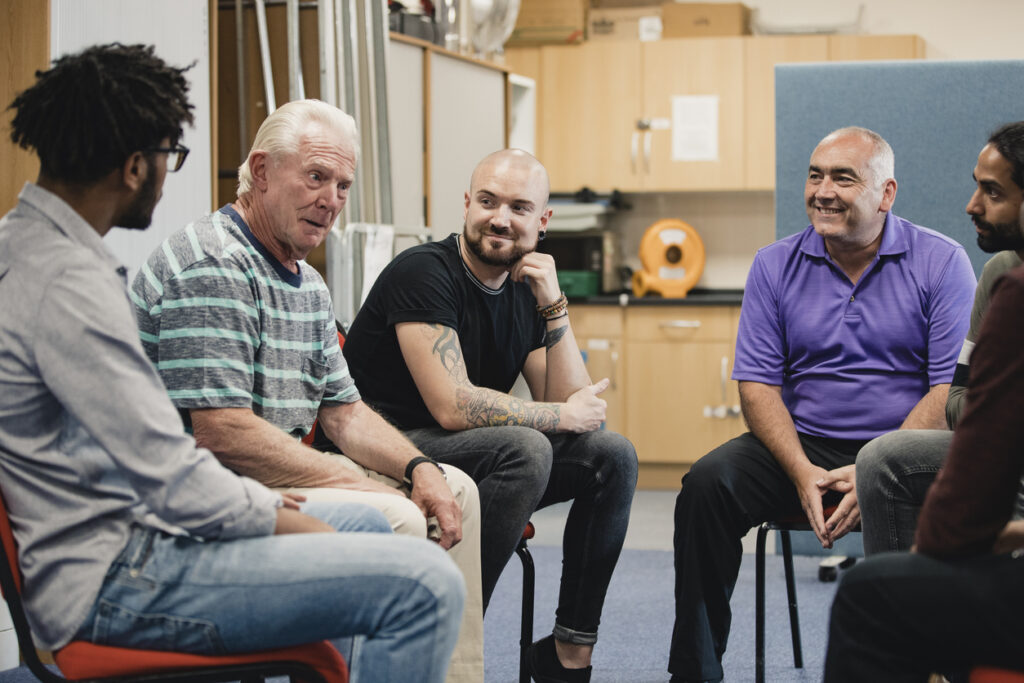
HR professionals have a duty to address men’s mental health in the workplace, where 81.8% of men experience mental ill health compared to 67.8% of women. Six in ten men feel unable to discuss mental health issues with their managers, contributing to broader risks including higher suicide rates and substance dependency among men.
Migraines: five ways to tackle the workplace productivity killer

Migraines cost the UK economy £8.8 billion annually in lost productivity. Employers can support affected employees through workplace adjustments and better understanding of this common neurological condition that impacts working-age populations.
Managing employee stress: a vital technique for protecting workplace mental health

Work-related stress costs UK businesses millions in lost productivity annually. HR professionals play a crucial role in protecting employee mental health by creating a supportive workplace culture, identifying stress hazards, and providing resources to build employee resilience and reduce stigma around mental health discussions.
