It’s not JUST emotions: putting energy and feelings at the heart of your work

Workplace norms ignore our natural energy rhythms and emotional needs, harming performance and wellbeing. By aligning work with circadian cycles, respecting gut instincts, and prioritizing flow over forced productivity, organizations can create more human-centered environments that enhance both individual health and organizational success.
Workplace stress: why good leadership is key to stress management

Good leadership is essential for managing workplace stress, which costs UK businesses billions in lost productivity and absenteeism. Research shows 79% of women and 66% of men experience work-related stress, often driven by toxic workplace cultures that glorify overwork and constant connectivity. Leaders must prioritize employee wellbeing by modeling healthy work-life balance and reducing communication overload.
De-stressing the business: getting managers and workloads in check

Poor management and heavy workloads are the leading causes of workplace stress. Businesses must develop managers’ skills in delegation and communication while actively monitoring workloads, as stressed employees suffer in silence without open channels for feedback.
Mental health awareness: spotting the signs and starting the conversation

Mental health problems affect over half of employees in their current workplace, yet most staff doubt their managers would recognize warning signs. While employers are increasingly taking proactive approaches to workplace wellbeing, creating open communication and supportive environments remains essential for addressing mental health at work.
Wellbeing at work: why we need a culture shift, not just a policy change

Workplace wellbeing requires a fundamental culture shift, not just policy changes. Creating a wellness-focused organization involves tailored strategies like generous leave policies, financial security, and employee engagement to address the significant impact mental health issues have on business performance and absence rates.
Wellbeing initiatives: are employers expected to be life coaches?

Workplace wellbeing initiatives are expanding rapidly, but employers may be overstepping by trying to address every aspect of employee life rather than focusing on core workplace factors like management quality and flexible policies that genuinely impact wellbeing.
Wellbeing at work: how self-care and success work hand-in-hand

Self-care directly impacts workplace success and employee performance. By prioritizing physical and mental wellbeing through simple practices like walking meetings and healthy habits, businesses can reduce burnout and foster a more positive, productive office culture that values staff overall.
Is your team suffering from innovation stress?

Innovation stress occurs when employees face continuous demands to innovate without clear guidance or adequate resources, ultimately making them less creative and productive. This phenomenon creates a mismatch between expectations and support, causing teams to worry they’re not innovative enough while remaining uncertain about what actually counts as successful innovation.
Stress Awareness Month: managing stress in a modern ‘always on’ work environment

Stress Awareness Month highlights how always-on work culture and constant technology access contribute to employee burnout. HR professionals can help by promoting healthy work-life boundaries and creating supportive workplace cultures that encourage mental health awareness and reduce the pressure to be continuously available.
Disconnecting belonging from exclusion to create workplace harmony

Belonging often depends on exclusion, creating workplace division. This article explores how organizations can redefine belonging through a spectrum balancing individual emotions with collective harmony, rather than through opposing groups, to foster truly inclusive workplaces.
Five simple stages to creating a wellbeing strategy that drive positive business results

Develop a cohesive employee wellbeing strategy aligned with your business goals to attract talent, boost performance, and reduce absence. Learn five simple stages to create a measurable plan that delivers positive business results and demonstrates your organization’s commitment to employee health.
Leadership: how to avoid anger hijack with emotional intelligence

Emotional intelligence is crucial for effective leadership in the workplace. By understanding and managing your emotions through awareness of the amygdala hijack response, you can avoid impulsive anger-driven actions and control difficult situations with what experts call “advanced common sense.”
‘The Brain at Work in the 21st Century’ – Baroness Susan Greenfield at UNLEASH London 2019

Baroness Susan Greenfield explores how technology is damaging brain development at UNLEASH London 2019. While neuroplasticity allows our brains to strengthen through practice and learning, modern technology’s addictive nature undermines real-world development and critical thinking in young people.
‘The Wild New World of Technology’ – Josh Bersin at UNLEASH London 2019
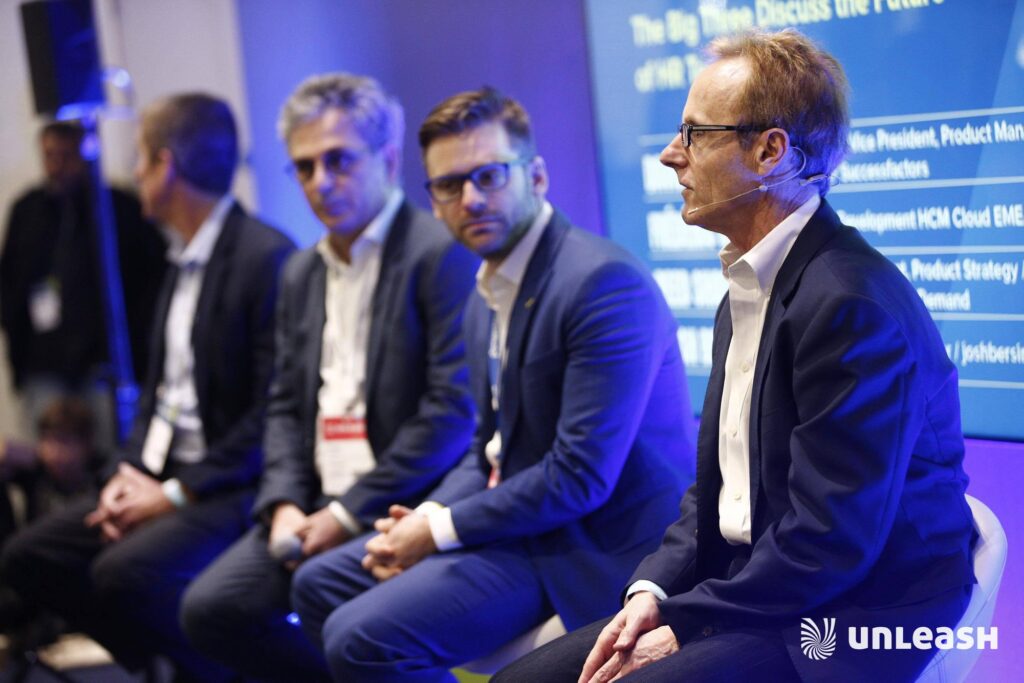
Josh Bersin breaks down the rapidly evolving HR technology landscape at UNLEASH London 2019, identifying key trends including rising employee engagement, widespread information overload, and the critical need for HR leaders to leverage employee data strategically while maintaining the trust employees place in their employers.
Why office culture is the most valuable employee benefit

A strong office culture is an overlooked yet invaluable employee benefit that costs little to develop but delivers lasting returns. Unlike expensive add-on perks that appeal to only some staff, a healthy workplace culture benefits everyone and creates sustainable competitive advantage in attracting and retaining talent.
How to support LGBT+ employees throughout the year

Effective LGBT+ employee support requires year-round commitment from employers, not just Pride month recognition. Research shows LGBT+ employees face discrimination and safety concerns, making consistent workplace inclusion policies essential for creating safer environments and improving retention and productivity.
Five trends that will steer performance success in 2019

Five key performance management trends are expected to shape HR strategy in 2019, including a shift toward optimizing productivity, combining frequent feedback with coaching, and fostering more meaningful manager-employee conversations to boost engagement and drive results.
6 ways to mobilise ‘coasters’ in the workplace

Over one-third of UK employees are coasting through their careers, often due to unhappiness with workplace conditions. Employers can re-engage this disaffected group by understanding their needs, showing genuine interest, and empowering line managers, which improves productivity while reducing costly turnover.
Standing up for the workplace wellbeing profession

Health and wellbeing professionals aim to improve organizational and employee health by creating supportive, respectful, and inclusive workplaces. The profession faces misconceptions about its value, but research shows it delivers competitive advantages in performance, engagement, recruitment, and retention.
Workplace wellness in 2019: seven quick hacks to ensure maximum engagement

Discover seven practical strategies to boost workplace wellness engagement in 2019. Learn how to understand employee needs, curate relevant programs, build confidence through challenges, and ensure your wellness initiatives resonate with all staff members, not just the usual participants.