
Cognitive and emotional recovery at work and home

Work-family conflict creates psychological strain, but recovery strategies like detaching from work, taking breaks, and expressing positive emotions can buffer these effects. Creating supportive workplace cultures that understand personal challenges helps maintain employee wellbeing across both domains.
The science of mindfulness for leaders

Research shows mindfulness in the workplace can reduce stress and anxiety while improving attention, emotional intelligence, and decision-making for leaders. However, sustained practice—typically eight weeks with daily meditation—is needed to achieve meaningful results.
Five ways to make mental health a board priority

Discover five strategies to make mental health a board priority, from demonstrating business impact and setting clear targets to timing conversations strategically and finding executive champions who champion workplace wellbeing initiatives.
Develop your personal resilience for career success

Resilience is not a fixed trait but a learnable skill that can strengthen your career success and well-being. Research shows anyone can develop resilient behaviors and attitudes to better handle workplace challenges, adapt to stress, and advance professionally across all career fields.
‘Running’ for charity – our 12 month challenge

Revitalize your charity campaign by forming a corporate running team for a 12-month challenge. A half marathon or road race offers an affordable, achievable fundraising event that engages employees across all levels and generates meaningful support for your chosen charity.
Ergonomic review: generic eBay saddle stool
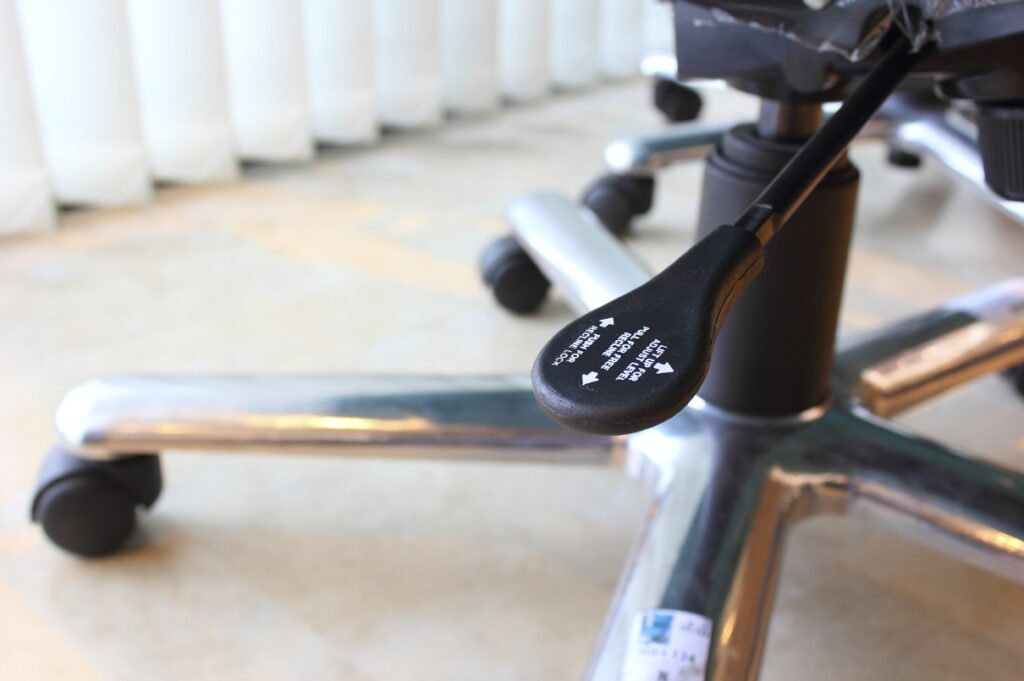
A generic eBay saddle stool priced at £40 offers an affordable ergonomic seating option that encourages upright posture and core engagement, though its budget construction lacks adjustability and may not suit all body types or work situations.
Let’s settle this. Is there an “I” in “team”?

Research reveals that while team-level transformational leadership improves social support and reduces conflicts, individual perceptions of receiving special attention from leaders have a stronger impact on employee wellbeing, meaningful work, and job satisfaction.
3 ways to upskill managers on mental health

Managers often lack confidence handling workplace mental health issues despite their frontline role. Three key strategies—spotting warning signs, providing targeted training, and initiating supportive conversations—can equip managers to recognize struggles and connect employees with appropriate resources and support.
Workplace suicide: lessons from across the globe

Workplace suicides predominantly affect people of working age, with most cases involving individuals without prior mental health diagnoses. Organizations globally are adopting suicide prevention, intervention, and postvention strategies—including Mental Health First Aid programs—to create safer workplaces and enhance overall employee wellbeing.
Ergonomic offices: Steelcase Think chair review

The Steelcase Think chair offers a comfortable seat and adjustable armrests, but its fixed backrest angle doesn’t suit desk work well. While the mesh back and lumbar support are good features, most testers found it better suited for meetings than computer work.
More than a quarter of long-term absences related to mental health

Mental health issues account for 27% of long-term work absences, with reactive depression being the most common claim. Employers can reduce impact through awareness training, employee support programs, and financial protection benefits like Income Protection and Employee Assistance Programs.
How to cure the nightmare of booking travel

Most corporate travel tracking fails because employees book outside official channels through consumer sites, leaving HR unable to locate staff during emergencies. Modern self-booking tools lack the user-friendly features of consumer apps, driving compliance down while duty-of-care obligations remain critical.
Why is suicide still locked out of the workplace agenda?

Despite mental health awareness in workplaces, suicide remains a neglected workplace issue requiring urgent attention. Nearly 80% of suicide victims have no mental health diagnosis, making suicide primarily a workplace and community concern. HR professionals must develop comprehensive postvention plans and crisis protocols rather than responding reactively to deaths or disclosures.
Sleep deprivation consequences in the workplace

Sleep deprivation impairs cognitive functions critical to workplace performance, including memory, focus, and processing speed. Research shows that minor sleep loss across a team has productivity impacts equivalent to losing a full-time worker, making it essential for HR professionals to understand its workplace consequences.
How to engage employees in diverse cultures

Discover how to effectively engage employees across diverse workforces. This research explores the crucial links between employee engagement and diversity and inclusion, revealing significant disparities in engagement levels across gender, age, and ability, and offering insights for sustainable organizational success.
How to stay sane at work

Staying sane at work requires developing self-awareness and understanding your emotional patterns, personality, and problem-solving style. Building emotional intelligence and recognizing how past behaviors affect your current interactions with colleagues helps you manage stress and navigate workplace challenges more effectively.
The world’s happiest jobs and what they tell us

Research reveals the world’s happiest jobs—including engineers, teachers, and medical practitioners—share common traits beyond salary. Autonomy, the ability to see tangible results, and work aligned with personal expertise emerge as key factors in job satisfaction.
Germanwings crash: we must keep up our progress on talking about mental health at work

The Germanwings tragedy highlighted mental health but also fueled harmful misconceptions linking mental illness with danger. Workplace stigma remains a major barrier, with most employees reluctant to disclose mental health problems to employers due to fears of being perceived as incompetent or dangerous.
Mindfulness in the workplace – What HR professionals need to know

HR professionals should understand that mindfulness is non-judgmental awareness of present experience that helps employees manage stress responses rather than eliminate stressors. By teaching workers to observe thoughts and emotions without reacting, mindfulness reduces the harmful effects of chronic stress, cutting workplace absenteeism and burnout linked to poor stress management.
How to support employees through bereavement

Workplace bereavement requires compassionate support from employers and managers. Research shows that how organizations handle employee grief significantly impacts psychological well-being and workplace reintegration, with flexible policies and long-term sensitivity fostering better recovery and employee loyalty.
