How to use brand citizenship to improve customer engagement

Brand citizenship—meeting individual customer needs while addressing broader social issues—drives loyalty and engagement. Research shows consumers want brands to evolve from transactional relationships to meaningful connections that align with their values and benefit their communities.
The steps we take to maintain an engaged workforce

Employee engagement requires transparency, active listening, and strategic investment. High engagement boosts efficiency, revenue, and retention while reducing turnover—yet only 65% of UK employees feel engaged at work.
Tech has transformed the customer experience – it’s time it did the same for retail staff

While technology has revolutionized the customer experience in retail through innovations like faster delivery and AR fitting rooms, frontline staff have largely been left behind. Despite employing three million workers in the UK, retailers continue relying on outdated communication methods instead of investing in employee-focused technology solutions.
Five minutes with Alexander Snelling, HR Director, Cath Kidston

Alexander Snelling, HR Director at Cath Kidston, discusses key people challenges in retail including Brexit concerns, the National Living Wage, and creating career pathways. He shares how the company revamped its bonus scheme to link individual performance with rewards and uses technology-enabled learning to drive business value across its dispersed workforce.
What your voice in the workplace says about you

Your workplace communication style shapes how effectively you influence others and drive business results. Understanding your natural communication patterns—exploring, positioning, and controlling voices—reveals strengths and gaps that impact your leadership effectiveness and professional relationships.
Why employees resign: recognising disengagement, and what to do about it

Discover why employees resign based on Leigh Branham’s analysis of exit interview data. This guide reveals seven key reasons for disengagement—from unmet job expectations to poor management—and actionable strategies employers can use to improve retention and workplace engagement.
“Our people are our principal asset and key to our success.”
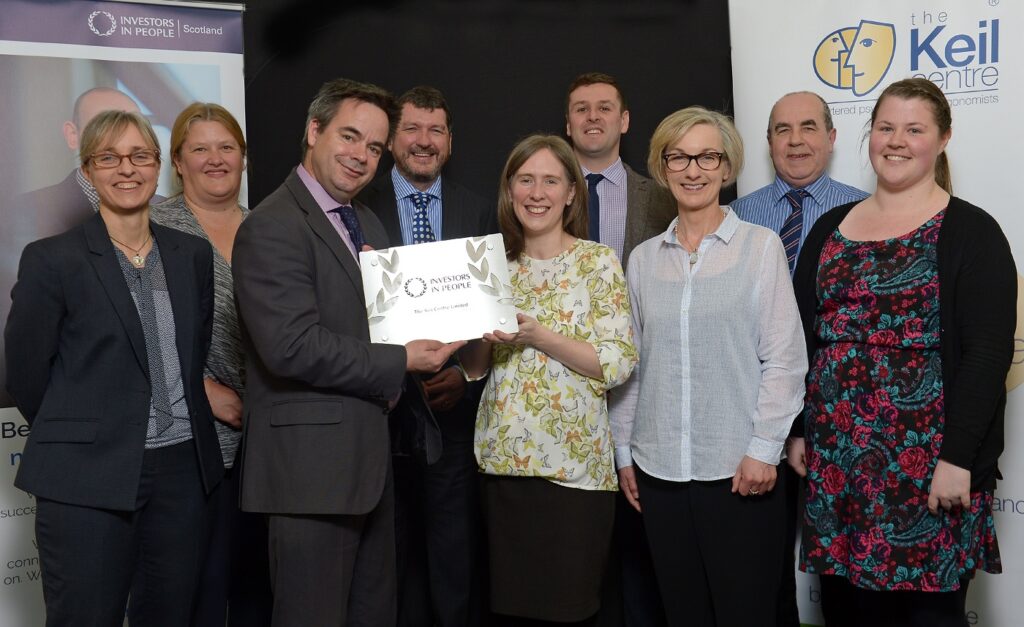
The Keil Centre, a Scottish organization of chartered psychologists and ergonomists, achieved Investors in People Platinum status by prioritizing staff as their principal asset. They fostered a collaborative culture through open communication, staff consultation, and autonomy, ensuring employees feel invested in business success and organizational values.
Adopting European Works Councils to give staff a greater voice

European Works Councils give employees a direct voice in company decisions by creating structured dialogue between staff and senior management. While mandatory for large EU multinationals, UK businesses could adopt this model to improve employee engagement and transparency without excessive regulation.
How to boost a feedback culture based on praise

Positive feedback helps identify employee strengths and boosts engagement and retention. Research shows 92% of real-time feedback is positive, and recognition from managers and peers significantly increases motivation and reduces turnover costs.
Factors that influence employee engagement – your complete list

Employee engagement is influenced by diverse factors spanning relationships with managers and colleagues, career development opportunities, organizational culture, compensation fairness, work-life balance, and personal resilience. Understanding these key drivers helps organizations and managers create environments where employees thrive and remain committed to their work.
Personality in sport: British Olympians on and off the field

British Olympic athletes display diverse personalities both on and off the field. From Andy Murray’s fierce intensity to Mo Farah’s expressive style and Jessica Ennis-Hill’s humility, each competitor brings unique traits that extend beyond their competitive personas into their personal lives.
Make employee feedback more actionable and productive

Move beyond annual employee surveys to embrace continuous, real-time feedback that addresses specific business challenges and delivers actionable insights. An always-on approach captures employee perspectives at critical moments in the employee journey, enabling managers to make faster, better-informed decisions that enhance engagement and drive meaningful organizational change.
Employee engagement at a 100-year-old retail motor group

Marshall Motor Holdings, a 100-year-old UK motor dealer group with 4,000 employees, has climbed from good to great on the Best Workplaces list through a simple philosophy: listening to employees, taking action, and genuinely caring about what matters to them. Their bottom-up, inclusive approach to engagement has driven improvements in trust scores and business results year-on-year.
What are the causes & nature of employee disengagement?

Employee disengagement affects 87% of the global workforce, costing the US economy $370 billion annually. Understanding the root causes—including unmet job expectations, inadequate resources, poor management, lack of recognition, and limited advancement opportunities—is essential for HR leaders to improve workplace engagement and organizational performance.
Employee engagement trends: our curated list of insight reports

Discover key employee engagement trends and insights from respected research reports. This curated collection of studies from leading organizations examines the relationship between engagement and organizational performance, highlighting critical drivers like leadership effectiveness, fair compensation, and career development opportunities.
Employee engagement research – the master list

Explore a comprehensive library of employee engagement research, including whitepapers and reports covering disengagement trends, engagement drivers, manager roles, and the link between engagement and business performance. Find key statistics and insights to support your engagement strategy at any stage.
Breakfast Insight: A new collaborative mindset

Breakfast Insight explores a new collaborative mindset transforming the workplace through teamwork and trusted relationships. Chief Joy Bringer Karin Volo discusses embedding collaboration, reducing turnover, and creating family-like work environments.
Employee engagement at the world’s third-largest charitable foundation, the Wellcome Trust

The Wellcome Trust, a leading biomedical research charity, appears on the Best Workplaces list due to its powerful mission to improve health, strong organizational culture, and shift from paternalistic management to a values-based approach that empowers employees. The foundation has focused on evolving its workplace environment to drive engagement and foster pride among staff.
Gamification isn’t dead, it’s just one piece of the employee engagement puzzle

Gamification can improve employee engagement when applied strategically, but organizations shouldn’t rely on it as their sole engagement strategy. Research shows game mechanics work best for time-limited campaigns with clear goals, while broader engagement requires education, peer connection, and process improvements alongside gamification elements.
90 minutes of football gets staff a free pass, so why doesn’t this moment of seismic upheaval?

Following the UK’s Brexit referendum result, employees are experiencing significant emotional upheaval that organizations shouldn’t ignore. While employers grant staff time off for football matches, many are treating this historic moment as business-as-usual, despite widespread distress and division among workers who need compassion and support.