
Coffee break: Resilience, unconscious bias and rigging your performance review
Explore this week’s curated HR insights covering resilience for professionals, workplace culture’s impact on performance, strategies for fair performance reviews, and how to address unconscious bias in leadership and decision-making across organizations.
Mutiny on the ice: Earnest Shackleton and the trust equation

When Ernest Shackleton’s ship sank in Antarctic ice a century ago, mutiny threatened his stranded crew. Shackleton maintained leadership through credibility, reliability, and intimacy—elements of trust that proved essential to surviving one of history’s most desperate expeditions.
Coffee Break: Managing teams, robo recruiters and offices for introverts
This weekly roundup curates essential reads on team management, employee engagement, workplace design for introverts, and the impact of AI recruitment on job prospects. Topics span business strategy, nonprofit sector insights, and modern workplace trends including diversity initiatives and gender pay gap solutions.
What employee benefits are currently being hyped?

Modern employee benefits extend beyond perks like free snacks and nap pods. While 79% of employees prioritize salary increases, workplace redesign, wellness programs, and financial support are emerging as crucial retention factors that drive productivity and engagement.
Coffee Break: Robot workers, feedback fear and the end of the office dress code
This week’s HR roundup covers the evolving workplace landscape, from the decline of office dress codes to managing millennial employees and addressing feedback anxiety. Key topics include the role of managers in employee work-life balance, career goal development, performance review bias, and emerging technologies like wearable devices and robotics reshaping business operations.
Culture, growth & milennial myths at Booking.com

Booking.com’s Global Manager of Learning and Talent discusses the company’s rapid growth from 3,000 to 10,500 employees, the importance of culture and strong leadership in scaling operations, and shares insights on workplace engagement and millennial myths.
Coffee Break: Brand engagement, exit surveys and the fall of holocracy
This weekly roundup covers key HR trends including the collapse of Zappos’ self-management model, employee engagement strategies, recruitment challenges for minority candidates, and why exit surveys often fail to provide actionable insights for organizations.
Coffee Break: Fun Fridays, productivity & the benefits of a younger workforce
Explore the latest HR news and workplace insights, from gender pay gap reporting and diversity initiatives to strategies for improving employee engagement, productivity, and creating happier office environments.
Do you understand the ‘illusion of inclusion?’

The “illusion of inclusion” occurs when organizations ask employees for input but fail to communicate what they do with it, destroying engagement. Two critical mistakes in staff engagement are ignoring employee feedback and communicating unclearly about pay—even when compensation is fair, perception matters significantly.
Great Place to Work announces best workplaces of 2016

Great Place to Work’s 2016 report reveals the UK’s best workplaces, showing that high-performing organizations achieve 85% trust levels compared to 55% for average companies. The analysis examines how trust and engagement drive business success, featuring insights from leading companies like Softcat, McDonald’s, and Salesforce.
“We keep goals fresh and relevant via monthly clarity meetings.”

Prospectus keeps employee goals fresh and relevant through monthly clarity meetings that check progress, support development needs, and acknowledge success. The company prioritizes collaboration, development opportunities, and multi-faceted recognition to drive employee engagement and business growth.
“It’s all about creating a culture of trust, which helps to naturally drive motivation levels.”

Visualsoft’s HR Manager Emma Hart explains how building a culture of trust naturally drives employee motivation and engagement. The company, which experienced 300% growth, maintains high engagement levels through initiatives like flexible working, wellbeing programs, and leadership that embeds engagement into company culture.
Comms, culture & company values – our picks from this week’s HR news
This week’s HR news roundup covers essential workplace topics including company culture, values, recruitment strategies, and management challenges. Explore curated articles on the fourth industrial revolution, flexible working, innovative onboarding, hiring practices, and modern team leadership to stay informed on HR trends.
Build trust by understanding the rules of engagement

Build trust in relationships by establishing clear rules of engagement through open conversations about mutual expectations. Unspoken assumptions and misaligned expectations strain trust and performance, making explicit dialogue essential for healthy interactions at work and beyond.
Inclusive surveys: bedrock of engagement?

Inclusive staff surveys should engage all employees, not just samples, to gather reliable feedback and demonstrate organizational value for everyone’s input. Proper survey design requires clear objectives, employee input beforehand, adequate sample sizes, multilingual translations, and cultural considerations for meaningful results.
Benefits realisation: what does success look like for you?

A benefits realisation strategy helps HR professionals evidence what they’ve achieved and prove value for money. Success requires setting realistic goals, defining what “good” looks like through both quantitative and qualitative metrics, and using practical measurement approaches with existing data sources.
Improving employee satisfaction in transportation and logistics

A driver shortage threatens the UK transportation industry, with employee retention and satisfaction presenting major HR challenges. Leading logistics organizations are implementing best practices including improved manager communication around absence, mobile self-service tools, and transparent workforce processes to boost employee engagement and commitment.
Older workers: what do they offer & need?

As the UK workforce ages, organizations must adapt to retain and support older workers who can remain productive for longer. Research shows older employees face challenges with job transitions and skill development, requiring employers to invest in targeted training, flexible policies, and inclusive workplace practices to maximize their contributions.
Three ways best employers show their people they are valued

Top-performing employers boost engagement and productivity through meaningful recognition practices. Henderson Global Investors and Cancer Research UK embed appreciation into daily culture through informal praise, structured awards, and thoughtful gestures that make employees feel valued and noticed.
What are the regulations regarding annual leave entitlement?
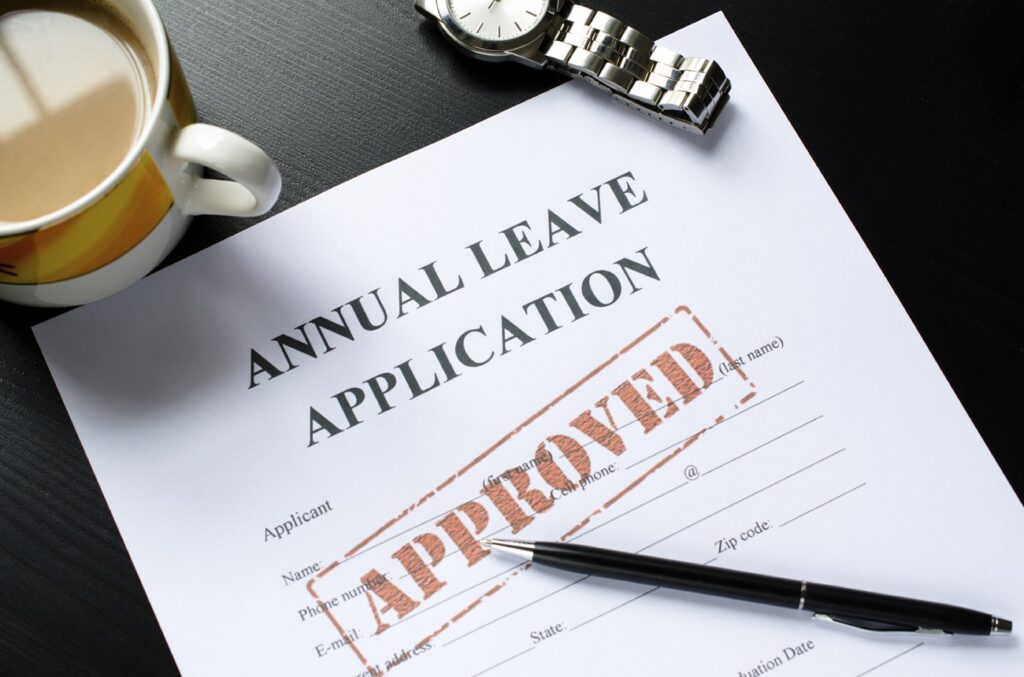
Under UK Working Time Regulations 1998, employees are entitled to 5.6 weeks (28 days) of paid annual leave per year. Part-time workers receive pro-rata entitlement, and leave accrues monthly even during sick leave, maternity, or paternity leave. Employees must take at least four weeks annually, though excess leave may carry over with employer approval.
