
“When you explicitly put shareholders at the top of the pecking order, the others don’t make out as well.”

Gig economy growth in America remains limited, with only about 15% of workers relying on alternative work as their primary income. Expert Rick Wartzman argues that universal basic income is unlikely without a cultural shift away from shareholder-focused individualism toward collective responsibility.
Me Inc: the rise of the freelancer

The UK freelancer workforce has grown 25% since 2009, with over 2 million people now working as independent contractors. This shift reflects changing employee priorities—flexibility and autonomy now matter more than salary and linear career paths, particularly in technology sectors facing talent shortages.
“The gig economy does not have to rely on denying worker rights.”
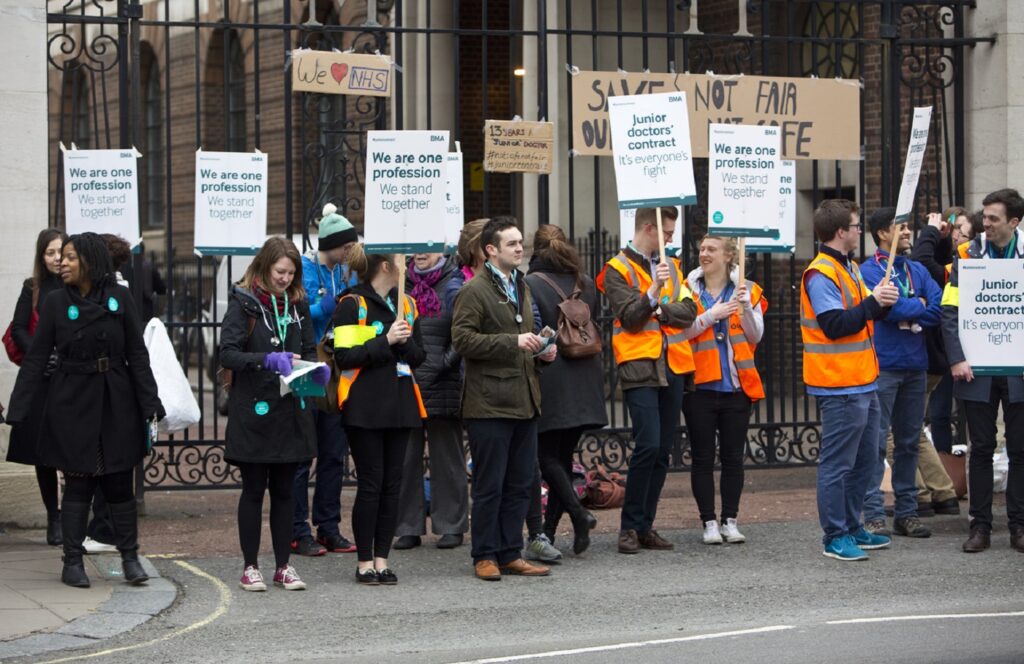
Erin Hatton, a sociology professor, explains how the gig economy represents a return to historically insecure work conditions after a mid-20th century peak in job security and worker protections. She traces the shift back to the 1970s, when union decline, global competition, and economic recession reversed decades of labor gains.
Dave Ulrich: “50% of who we can become is nurture and can be changed through learning.”

Dave Ulrich explains how competencies—knowledge, skills, and attitudes—drive business outcomes and can be developed through learning and experience. Research shows 50% of competencies are innate while 50% can be changed through nurture, education, and pushing beyond comfort zones.
Analysing the upcoming challenges HR is facing

HR professionals face significant challenges this April as new regulations require companies with over 250 employees to publish gender pay gaps, while minimum wage changes and apprenticeship levy rollouts take effect. These changes demand clear communication strategies and meaningful HR policies to drive real progress toward pay equality and workforce diversity.
Nello Cristianini, Professor of AI, Bristol University: “Are we starting to treat machines differently?”

Bristol University’s Professor of AI Nello Cristianini discusses how artificial intelligence is transforming workplaces, employment, and society. He explores whether we’re changing how we interact with machines, the implications for jobs and skills, and what the future holds as AI continues to advance.
Nello Cristianini, Professor of AI, Bristol University: “What skills/jobs will we need in the future?”
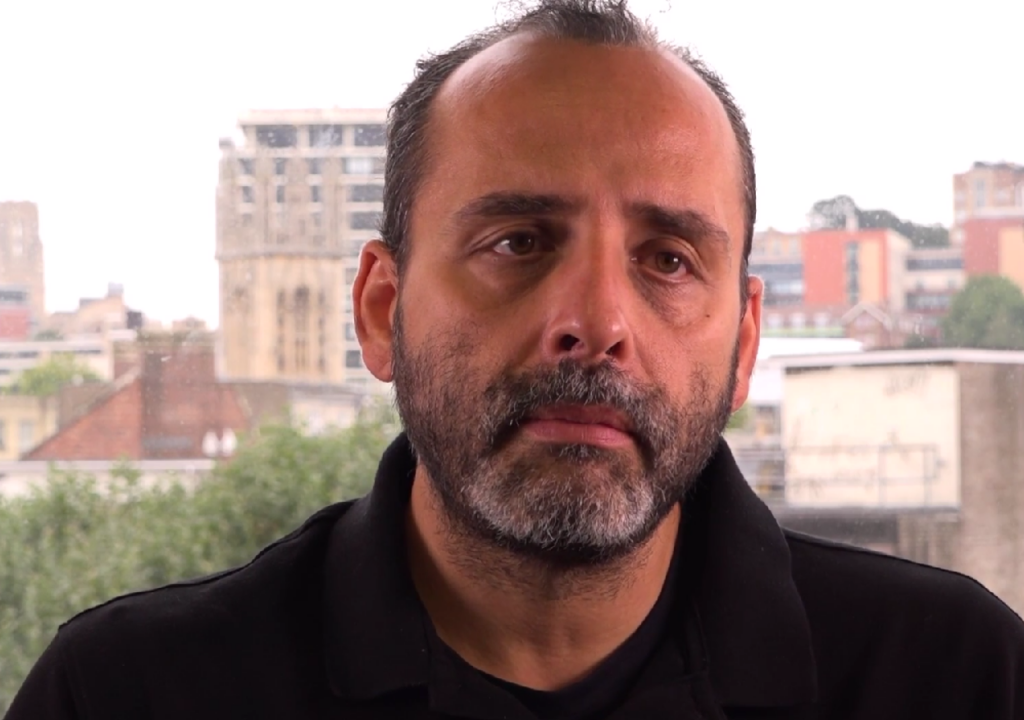
Professor of AI Nello Cristianini discusses the future skills and jobs needed as artificial intelligence increasingly displaces workers, examining AI’s impact on employment, education, and society across various sectors and roles.
Nello Cristianini, Professor of AI, Bristol University: “What does AI mean for managers and employees?”
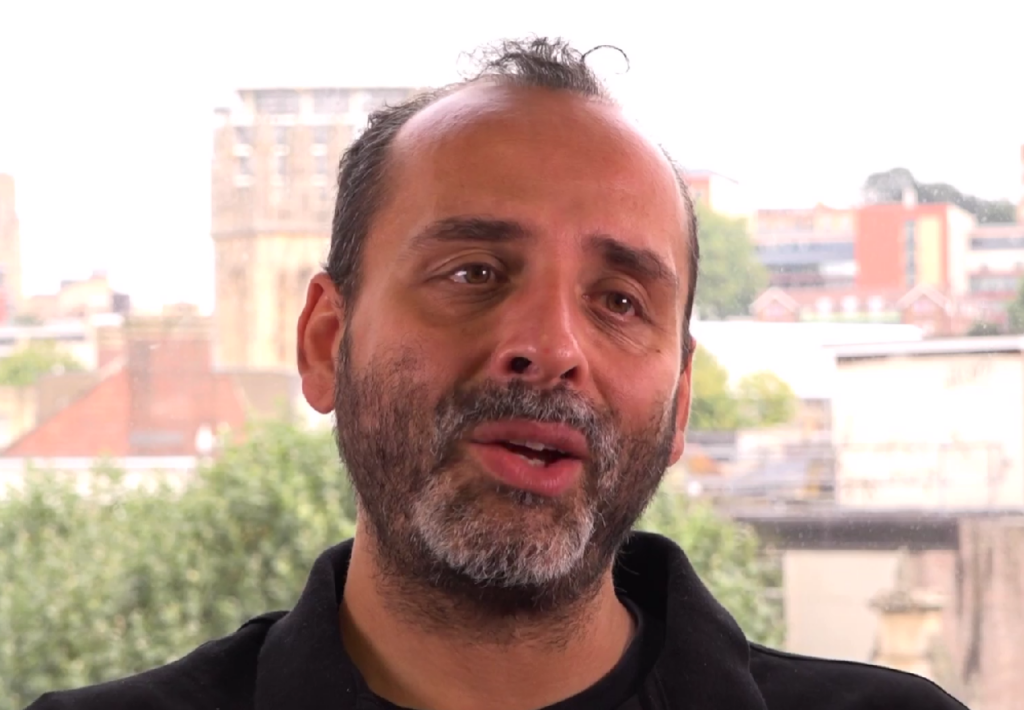
Bristol University’s Professor of AI Nello Cristianini discusses the current wave of AI innovation and its implications for managers and employees, covering topics from job displacement and skill requirements to the ethical considerations of artificial intelligence technology.
Nello Cristianini, Professor of AI, Bristol University: “How do we adapt to recent AI developments?”

Professor Nello Cristianini from Bristol University discusses how society can adapt to rapid AI developments, exploring impacts on employment, skills requirements, and everyday life. He addresses key questions about AI’s role in business, education, and human-machine interaction.
Nello Cristianini, Professor of AI, Bristol University: “How do we prepare children for AI?”

Nello Cristianini, Professor of AI at Bristol University, discusses how to prepare children for an AI-influenced future, covering essential skills, job market changes, and the broader implications of artificial intelligence on employment and society.
Nello Cristianini, Professor of AI, Bristol University: “What’s happening in AI as we go into 2017?”
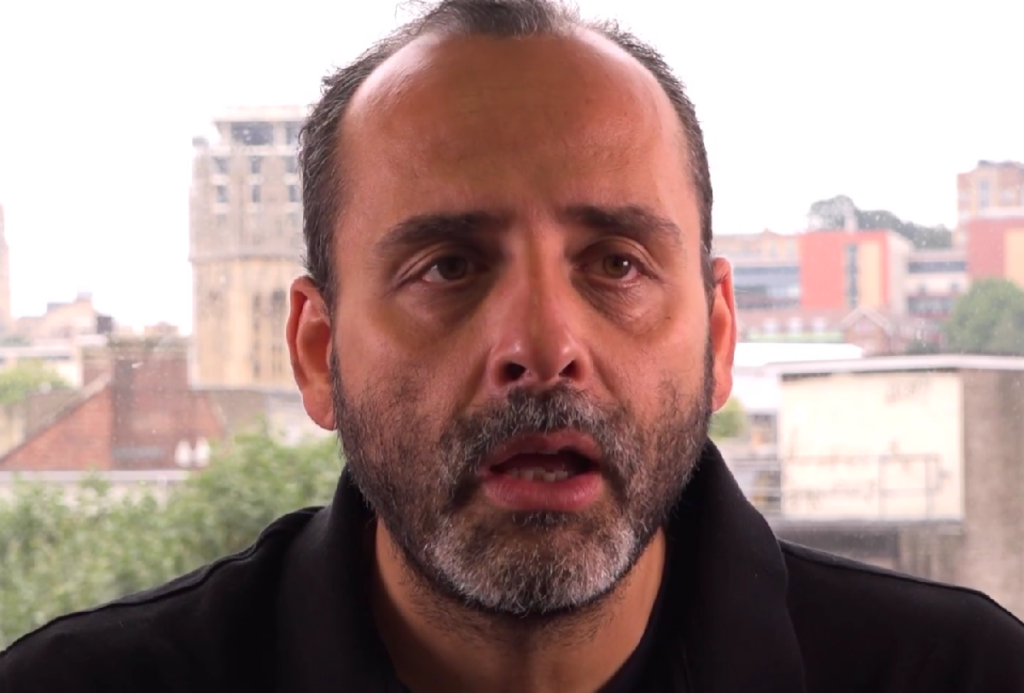
Professor Nello Cristianini of Bristol University discusses key AI developments heading into 2017, including the technology’s impact on employment, everyday applications, and the skills needed for the future. He explores both opportunities and risks as AI becomes increasingly prevalent across industries.
Nello Cristianini, Professor of AI, Bristol University: “Why is the AI renaissance happening now?”

Nello Cristianini, Professor of AI at Bristol University, explains why artificial intelligence is experiencing a renaissance now, discussing the opportunities, risks, impact on employment, and skills needed for the future.
Nello Cristianini, Professor of AI, Bristol University: “What does AI look like in everyday life?”

Professor Nello Cristianini from Bristol University discusses how AI is already embedded in everyday life, often without our awareness, and explores its implications for jobs, skills, and society as we advance into an AI-driven future.
Nello Cristianini, Professor of AI, Bristol University: “Are white collar jobs being displaced by AI?”
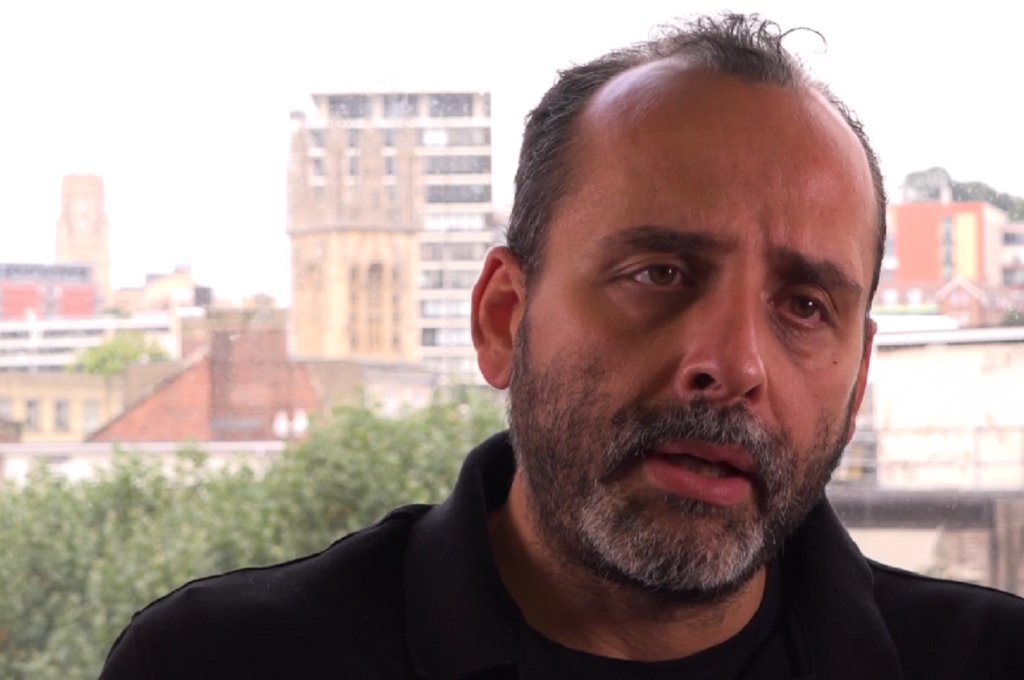
Nello Cristianini, Professor of AI at Bristol University, discusses how artificial intelligence is affecting white-collar employment, workplace dynamics, and the skills needed for the future. Learn his insights on AI’s current impact and opportunities for adapting to technological change.
Nello Cristianini, Professor of AI, Bristol University: “Is it sufficient for AI to mimic human emotions?”

Nello Cristianini, Professor of AI at Bristol University, discusses key developments in artificial intelligence, including whether mimicking human emotions is sufficient for AI, the impact on white-collar jobs, and the skills needed for the future workforce.
Nello Cristianini, Professor of AI, Bristol University: “Do robots have empathy?”

Professor of AI Nello Cristianini explores whether robots can develop empathy and examines the broader implications of artificial intelligence on employment, emotion, and society. This interview covers AI’s current impact on jobs, skills, and how we relate to machines as technology advances.
Nello Cristianini, Professor of AI, Bristol University: “What business model is driving forward AI?”
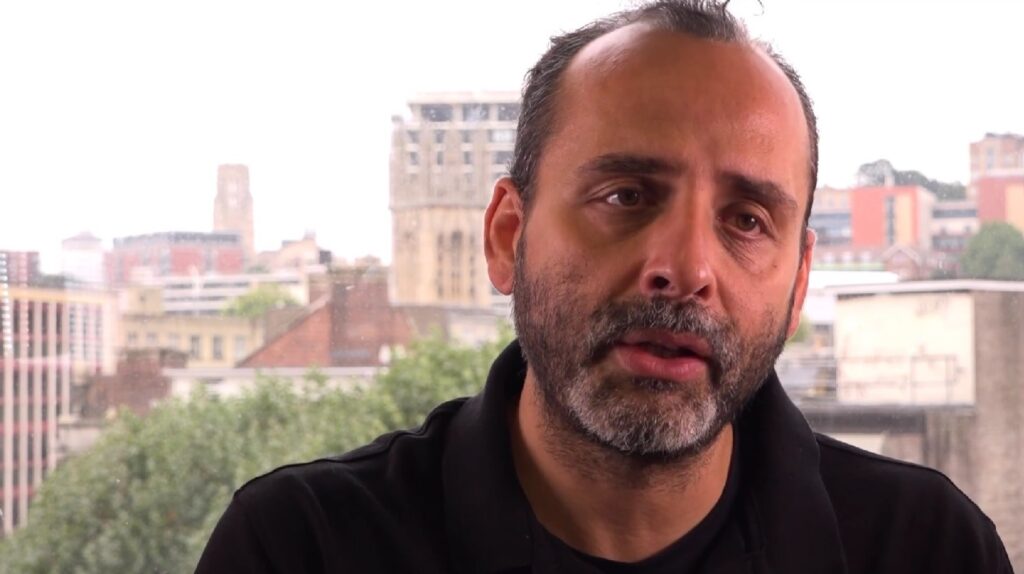
Professor Nello Cristianini from Bristol University discusses the business models driving AI development, examining what’s really happening in the sector, the impact on jobs and skills, and what people often miss about artificial intelligence’s rapid advancement.
Describing our personal strengths in a post-truth world

In a post-truth world where LinkedIn professionals overuse buzzwords like “expert,” “strategic,” and “passionate,” these common descriptors have lost meaning through semantic inflation, making candidates sound identical rather than distinctive.
HR in retail: interview with Spencer Allcock, Senior Consultant, Kantar Retail

Spencer Allcock, Senior Consultant at Kantar Retail, discusses retail HR priorities, people management challenges, and industry trends affecting the sector. Learn how HR directors can better support retail businesses in this video interview.
HR in retail: interview with David Bannister, ex-HRD, River Island

David Bannister, former interim HR Director at River Island, shares insights on retail HR challenges, performance management evolution, and strategies for supporting business growth. His expertise spans reward, change management, and leadership coaching in the retail sector.
