
HR in retail: interview with Bruce Walcroft, Solutions Consultant, CoreHR

Bruce Walcroft, Senior HCM Solutions Consultant at CoreHR, discusses how HR technology can address key challenges in retail, including existing solutions, emerging technologies, people management priorities, and strategies for closing the gender pay gap.
Soft skills analysis: Theresa May
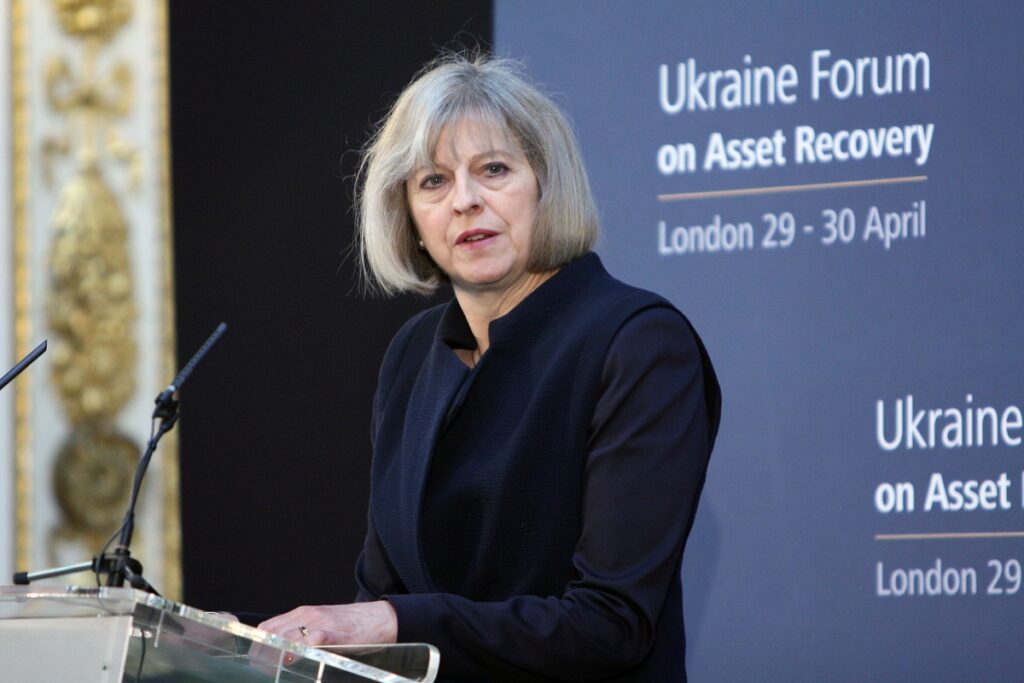
Theresa May’s leadership style prioritizes work ethic and results over traditional soft skills like gregarious communication and personality. While critics label her approach as dull, May views effective management and action as more important than self-promotion or crafting an inviting public image.
Rabbit whisperers, robots and the realms of possibility

Discover how robotic process automation and AI might create space for new specialized roles like the “Rabbit Whisperer,” freeing humans from tedious tasks to focus on creativity, customer service, and meaningful work rather than simply eliminating jobs.
Donald Trump’s emotional intelligence – let’s take a look…

An analysis of Donald Trump’s emotional intelligence reveals a complex picture beyond simple assumptions of low EQ. While Trump demonstrates low empathy and emotional awareness, his high self-regard and confidence have enabled political success despite poor abilities to read people and situations accurately.
Five minutes with Alexander Snelling, HR Director, Cath Kidston

Alexander Snelling, HR Director at Cath Kidston, discusses key people challenges in retail including Brexit concerns, the National Living Wage, and creating career pathways. He shares how the company revamped its bonus scheme to link individual performance with rewards and uses technology-enabled learning to drive business value across its dispersed workforce.
“As in-store experience becomes ever more important, the need for improved service skills grows.”

Retail companies are increasingly prioritizing in-store experience, which is driving demand for employees with stronger service skills and digital capabilities. As margins face pressure from e-commerce and wage regulations, retailers are investing in technology, delayering management roles, and shifting toward variable pay and lower-cost benefits.
Four robots that are taking retail jobs

Automation is rapidly transforming retail through advanced robots handling inventory, warehouse management, and customer service. Examples include Tally for inventory scanning, Kiva for warehouse automation, Chloe for product retrieval, and OSHbot for customer assistance, replacing time-intensive manual labor in stores.
Automation in retail: what’s the endgame?

Automation is reshaping retail through algorithms and technology, but the shift toward efficiency risks losing human connection and warm customer service that machines cannot replicate.
Hello, Future: is there a place for retail workers?

As automation handles routine retail tasks like inventory and product distribution, the future of retail work depends on whether stores embrace experience-focused roles. Retail workers will need to shift from transactional duties to building customer relationships and providing personalized expertise that AI cannot replicate.
The disintegrating retail economic model and the dual-pronged approach that will replace it

Retail’s traditional model is disintegrating as ecommerce grows 21% annually. Future success requires a dual approach: stores must become experiential destinations and media channels that drive consumers into brand ecosystems, while ecommerce handles product transactions.
SMEs can learn lessons from Sports Direct scandals

Growing businesses must prioritize employee welfare and strong leadership to avoid reputational damage. SME owners can learn from Sports Direct’s scandals that neglecting staff wellbeing and employment standards, regardless of company size, creates lasting brand harm and accountability falls to leadership.
Making sure your recruitment works in an uncertain environment

In uncertain times, recruiters face increased risks from unconscious bias and pressure to make conservative hiring choices. Prioritizing interview quality, thorough due diligence, and candidate fit—while managing budget constraints—helps organizations make better senior-level appointments when every hire matters most.
Keeping diversity and inclusion on the agenda during uncertain times

During uncertain times, leaders risk prioritizing familiar approaches over diversity and inclusion efforts, reverting to unconscious biases that undermine progress. Understanding how stress affects decision-making can help leaders maintain D&I commitments despite economic or political challenges.
Shoring up employee relations in the Brexit aftermath

Brexit creates workplace uncertainty affecting employee relations and trust. Employers should provide clear, consistent communications and develop a strategic approach to managing staff concerns about job security, finances, and workplace conflicts arising from diverging political views.
We will only get truly inclusive organisations if we question the way work works

To achieve truly inclusive organisations, we must fundamentally rethink how work is structured. The outdated eight-hour, five-day model fails to accommodate people with caregiving responsibilities or other constraints, resulting in underutilised talent across all demographics. Creating flexibility around work arrangements is essential for building genuinely inclusive workplaces that reflect modern society.
Looking at leadership after Brexit

Effective leadership after Brexit requires all leaders—regardless of voting preference—to inspire their teams with a positive vision for the future rather than dwelling on past decisions. By focusing on opportunities ahead while maintaining integrity and honesty, leaders can build trust and guide their organizations through this period of change.
90 minutes of football gets staff a free pass, so why doesn’t this moment of seismic upheaval?

Following the UK’s Brexit referendum result, employees are experiencing significant emotional upheaval that organizations shouldn’t ignore. While employers grant staff time off for football matches, many are treating this historic moment as business-as-usual, despite widespread distress and division among workers who need compassion and support.
Leadership lessons from the Referendum

The UK referendum campaign reveals fundamental failures in political leadership, with both sides prioritizing victory over honesty and integrity. The author examines how politicians abandoned core leadership principles, relying instead on misleading claims and fear-mongering rather than serving the public interest.
Brexit: is your reward strategy in or out?

Brexit could significantly impact UK reward strategies through wage erosion linked to inflation and potential changes to employment legislation, particularly pay-related protections and benefits established under EU rules.
Have degrees had their day?

Major employers like Ernst and Young and Penguin Random House are dropping degree requirements, questioning whether degrees guarantee professional success. Evidence suggests talent and drive matter more than qualifications, potentially opening opportunities for non-graduates in competitive job markets.
