
Mental health at Crossrail, the ROI of wellbeing and wellbeing optimism

Crossrail’s mental health programme is breaking workplace taboos in construction by encouraging open conversations and training wellbeing champions. The initiative addresses growing mental health challenges while demonstrating how organizational pride and tailored interventions drive meaningful health outcomes across diverse workforces.
4 companies on how to win at leadership development

Discover how four leading companies develop emerging managers through innovative programs. EY’s EYnnovation pairs junior leaders with startups to build soft skills, while Upwork recognizes that top individual contributors don’t always make the best managers, offering alternative career advancement paths.
What you can do about the workplace gender gap

Workplace gender gaps persist despite progress, but HR teams can take concrete steps to close them. Setting specific diversity goals, leveraging employee referrals, and building an inclusive employer brand are key strategies for increasing women in leadership roles and creating a more diverse workforce.
Leadership development isn’t working. Why?

Most leadership development programs fail because they’re isolated events disconnected from real work, says expert Blaire Palmer. True leadership development requires systemic change within organizational culture, not one-off workshops that employees dread attending.
What should modern leadership development look like?

Modern leadership development should be a continuous, evolving process rather than one-time training events. Effective approaches include content-free development focused on self-awareness and peer feedback, creating an organizational environment that supports ongoing growth rather than relying solely on traditional models and training programs.
The Madness of Kings: leadership, hyper-masculinity & mental health

Despite societal privilege, white heterosexual men face alarming suicide rates—three times higher than women, with ages 45-59 most at risk. This paradox suggests that rigid expectations of hyper-masculinity, emotional suppression, and corporate stoicism are driving men toward self-destruction and violence.
Change leadership: how to give employees a sense of control

When implementing organizational change, giving employees a sense of control is critical to success. Rather than imposing changes, involve leaders and teams in the decision-making process so they understand the reasons for change and can influence implementation, helping them feel part of the solution.
Getting employee engagement on your CEO’s agenda: Create actionable steps

Learn how to get your CEO actively supporting employee engagement by understanding what prevents leader buy-in and taking actionable steps to overcome barriers around leadership abilities, company culture, and personal motivations.
Getting employee engagement on your CEO’s agenda: Appeal to emotional triggers

Learn how to appeal to CEOs’ emotional drivers—autonomy, reputation, and legacy—to secure their commitment to employee engagement. Effective strategies focus on emotional connection rather than statistics, helping leaders understand how strong employee engagement protects their interests and enhances their professional standing.
Getting employee engagement on your CEO’s agenda: Presenting your case

Learn how to get your CEO’s attention on employee engagement by presenting a compelling business case backed by data, emotional appeals, and actionable steps. This three-part guide equips you with strategies to demonstrate the economic benefits of engagement while aligning with your leadership’s priorities.
The Apprenticeship Levy: making it work for your leadership needs

The UK’s Apprenticeship Levy requires employers with annual payroll over £3m to invest 0.5% into apprenticeships funding. Organizations can leverage this opportunity to address leadership skill gaps and develop talent at all levels, with larger employers recouping their contributions plus 10% government funding.
“The company acknowledges that big growth ambitions have to be complemented with investment in people and talent”

Virgin Media’s new Chief People Officer Catherine Lynch discusses how the company is investing in talent to support its ambitious growth plans, with backing from parent company Liberty Media. Lynch outlines her three key priorities: developing high-performing leadership, creating a best-in-class people function, and aligning with Liberty Global’s global approaches.
Three examples of organisational failure to give up the illusion of control

Organizations often maintain control illusions through silent conformity, but this illusion collapses when gaps between stated policies and actual operations are exposed. Three real cases reveal how managers sustain false assurance despite disconnect between narrative controls and workplace reality.
Control in times of uncertainty: how can you combat change fatigue?

Change fatigue—a sense of apathy and resignation toward organizational changes—affects up to 70% of change initiatives and significantly impacts employee wellbeing, motivation, and performance. When employees experience too many changes without consolidation periods, they may develop learned helplessness, burnout, reduced job satisfaction, and withdrawal behaviors like absenteeism.
What makes the Japanese railways so efficient?

Japanese railways achieve efficiency through a combination of safety-first culture, employee investment, and comprehensive training programs. The JR Group, which handles 7 billion passenger journeys annually, prioritizes knowledge transfer and embeds organizational values through extensive education initiatives, including two-month residential training at dedicated centers.
Building a workplace that’s fit for the future

Over half of UK professionals will leave their jobs unless organizations embrace more flexible, collaborative workplace cultures. Research reveals a significant gap between employee expectations and what employers provide, with workers seeking freedom, innovation, and collaborative environments that foster creativity and performance.
“Use their language, not language from an HR text book.”

Hannah Thomson, newly appointed People Director at Travelodge, brings extensive HR experience from John Lewis, Avis, and Safestore. She prioritizes meeting the company’s 10,000 employees across 544 hotels to understand their challenges and develop career paths, positioning Travelodge as a great place to work.
Freelancers, org structures and puppy paternity leave

This weekly HR industry roundup covers performance management, leadership strategies, workplace culture trends, and recruitment insights. Topics include organizational structures for managing complexity, the gig economy’s viability, unconventional employee benefits like paternity leave for pet owners, and how freelancing may reshape traditional company hierarchies.
How to build a business case for your employee engagement programme
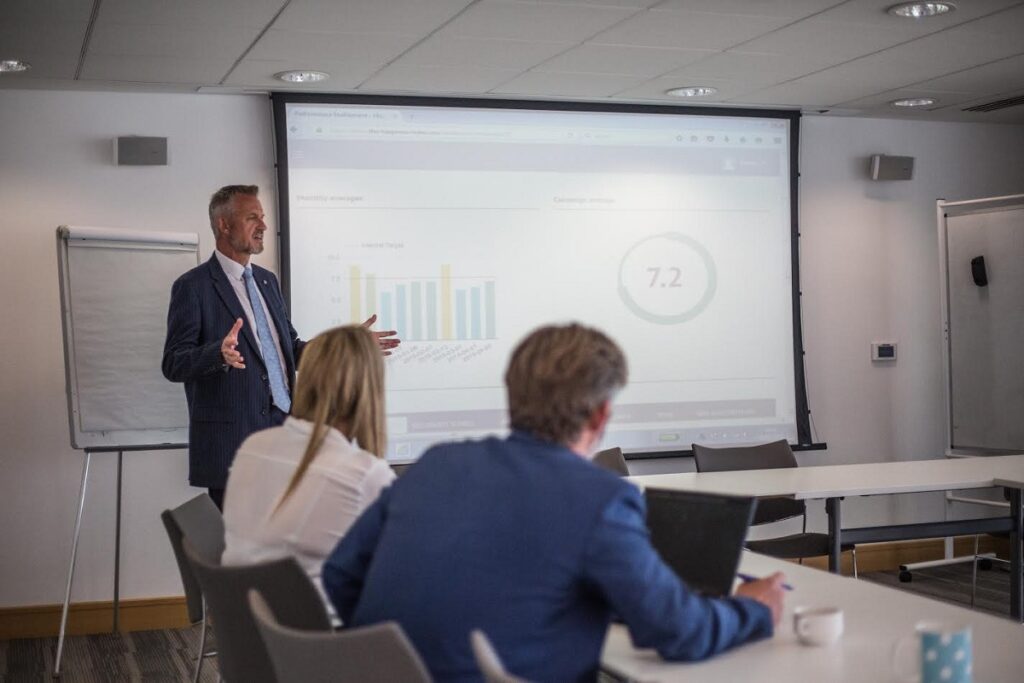
Learn how to build a compelling business case for your employee engagement programme using real-time people analytics. Discover why traditional annual surveys fail and how measurable engagement data drives productivity, retention, and organizational performance.
“L&D should consider the needs of all and not just the top five percent that get on the development radar.”

Learning and development programs often focus on the top 5% of high-potential employees, leaving the broader workforce overlooked. David Cartwright, founder of OBD Academy, argues that L&D should serve all employees and design inclusive development opportunities that benefit the entire organization.
