
“I don’t think HR is very complicated fundamentally.”

HR fundamentally involves understanding business strategy and translating it into the people capabilities needed to execute it. Trainline’s Chief People Officer Robin Hancock discusses how the role differs from traditional HR director positions and the key shifts in the profession over the past five years.
What is the Graduated Mirror Pyramid HR model?

The Graduated Mirror Pyramid is an HR model developed in 2010 to monitor employee satisfaction and productivity across companies of any size. It categorizes both employees and managers through five developmental and involutional stages, helping organizations assess workforce dynamics and implement corrective measures to maintain performance standards and employee engagement.
Settlement agreements: are they being overused?

Settlement agreements are increasingly being misused as a shortcut to avoid proper management procedures, allowing employees to leave with payments rather than facing disciplinary or capability processes. While occasional use may be pragmatic, overreliance creates a problematic culture where staff view payouts as an entitlement and management credibility erodes.
Why your organisation needs post-heroic leadership

Traditional heroic leadership—where one powerful figure makes all key decisions—often backfires in modern organizations. Post-heroic leadership, based on collaboration and trust, better enables agility, innovation, and responsive decision-making in today’s complex environment.
Josh Bersin: “HR must stop being order takers.”
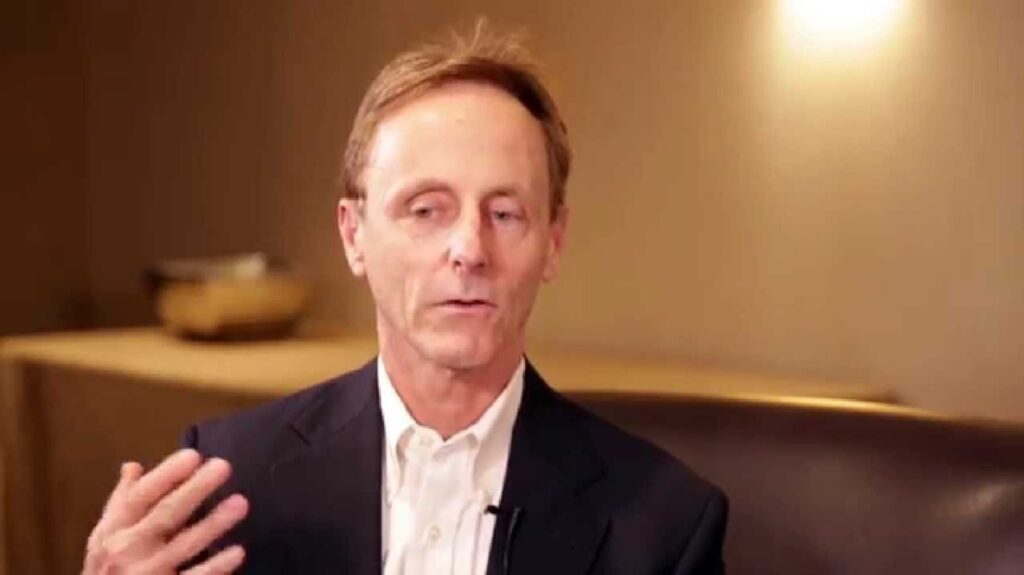
Josh Bersin argues that HR must stop acting as order takers and embrace strategic talent management that reflects modern work dynamics. He identifies nine key areas where companies need to reinvent HR practices, moving beyond integrated systems to address culture, leadership development, and evolving employee expectations in today’s transparent, mobile workforce.
Interview: John Timpson, Chairman, Timpson
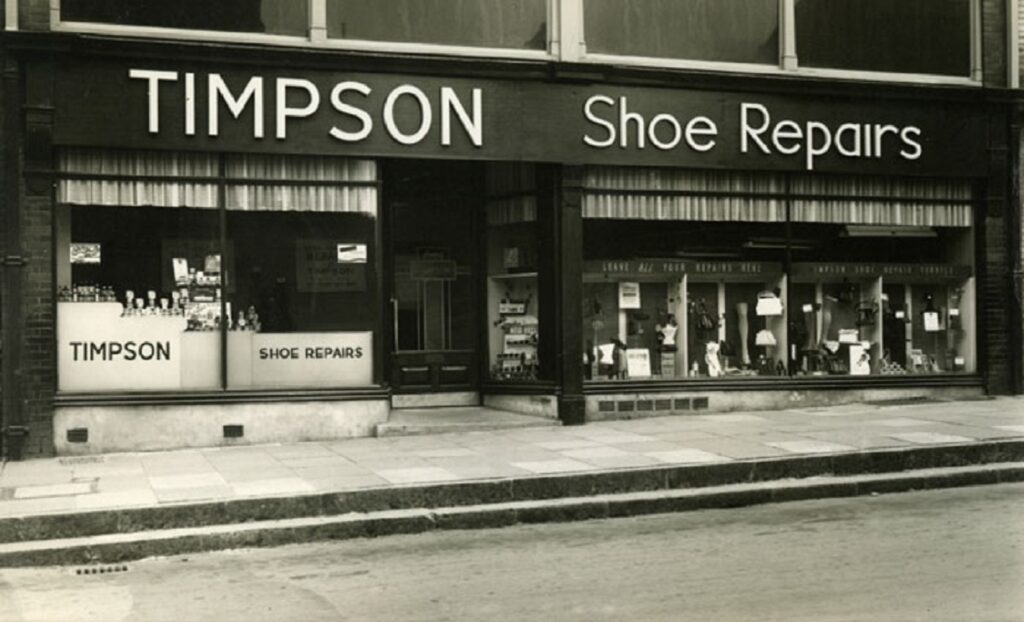
John Timpson, Chairman of the Timpson shoe repair chain, discusses his “upside down management” philosophy that prioritizes trusting employees and simplifying their roles rather than imposing rules. He believes great customer service depends on hiring the right personalities and removing obstacles, allowing staff the freedom to work creatively.
How much of your people agenda can you really control?

HR professionals face mounting pressure to drive organizational transformation, yet research suggests they have limited control over factors like culture change, talent pipeline development, and leadership behavior. This article explores the disconnect between HR’s strategic ambitions and what organizational change management actually teaches about influence and real-world results.
How to include every one – without involving them

Creating an inclusive workplace doesn’t require involving everyone in every project. True inclusion means fostering psychological safety where diverse perspectives are valued, while strategically selecting contributors based on merit and communicating those decisions transparently.
Why positive organisations win out every time

Robert Quinn, a Michigan Ross professor, explains that positive organizations—where people are happy and thriving—consistently outperform others. Based on decades of research, Quinn argues that leaders drive this transformation by hiring capable positive people, converting conflict into collaboration, and nurturing organizational purpose and human well-being.
Nine qualities authentic leaders live by every day

Authentic leaders demonstrate nine key qualities including strong values, trustworthiness, excellent communication, and genuine passion for their work. These leaders remain honest and consistent across all areas of life, inspiring teams through example rather than manipulation to align with organizational goals.
Why aren’t we redefining the way we work?

Most organizations maintain traditional work structures because leaders believe they provide control, even though research shows greater autonomy, focus, and feedback drive better results. Resistance to change stems from worldviews about employee motivation and fear of short-term disruption outweighing potential gains.
Leadership lessons from the Volkswagen scandal

The Volkswagen emissions scandal and 2008 banking crisis reveal a critical leadership failure: cultures of fear that discourage employees from speaking up and challenging decisions. Both organizations suffered from poor information flow and weak debate, leading to catastrophic consequences that highlight the need for leaders to actively foster open communication.
What is the management culture like in the most engaging organisations?

Top performing organisations like Cancer Research UK and Henderson Global Investors share a key engaging practice: management structures that balance autonomy with development. Managers empower employees by building trust, allowing teams to decide how they deliver results, while providing support and recognition for great performance.
Learnings from the HRZone Engagement Conference
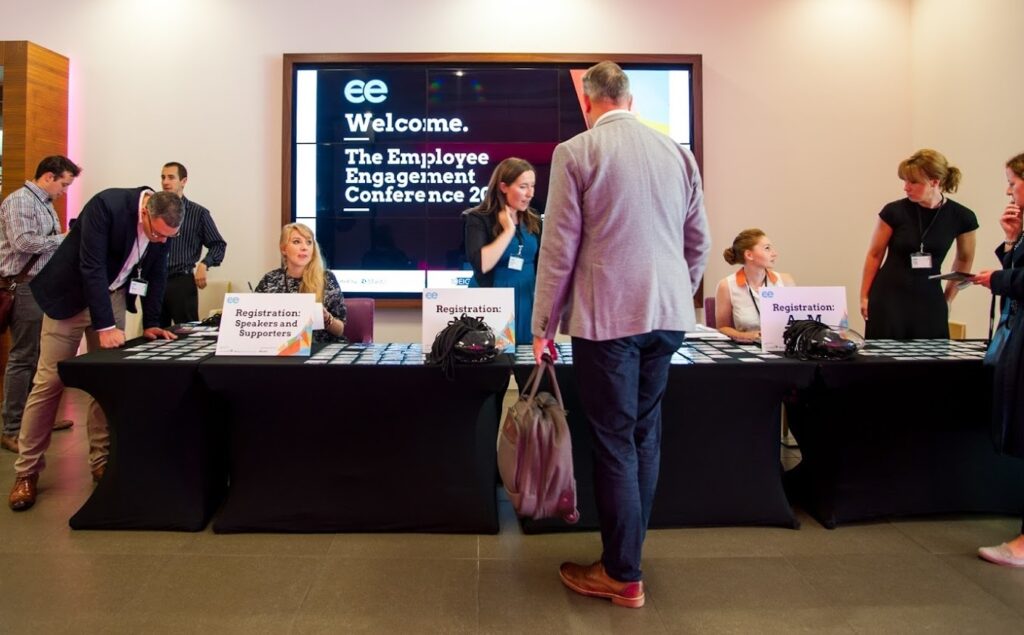
Michael shares key takeaways from the HRZone Employee Engagement Conference 2015, featuring insights from business leaders on culture, communication, and people-focused leadership. The conference highlighted how strong engagement correlates with shareholder returns and stressed the importance of authentic leadership and employee autonomy.
What can Europe teach tomorrow’s business leaders?

Europe’s diverse history of innovation and reconciliation offers unique lessons for tomorrow’s business leaders. With 28 EU countries representing distinct cultures and management styles, the continent serves as an ideal laboratory for learning multicultural competence essential for success in today’s global economy.
Are you able to find a leader in a haystack?

Most organizations lack formal succession plans, with 63% of senior professionals surveyed having no leadership pipeline strategy. Internal candidates are twice as popular as external hires for top roles, yet many companies fail to actively develop these rising stars, risking losing talented employees to competitors.
From cleaner to COO: Karen Hester of Adnams

Karen Hester rose from cleaner to Chief Operating Officer at Adnams, becoming the brewer’s first female executive director in 152 years. Her remarkable career progression reflects decades of hard work, self-belief, and commitment to understanding people in the business.
The world of work must change… but why?

The world of work faces three critical challenges: lagging productivity despite technological advances, underutilization of educated workers, and organizational inflexibility in an increasingly volatile environment. This series explores why change is essential and how organizations can build more productive, successful, and healthier workplaces.
HR, is the search for relevance and meaning doomed?

The HR profession frequently chases trendy initiatives like neuroscience without addressing actual business problems, creating a disconnect with line managers. This tendency to adopt solutions seeking problems—combined with jargon-heavy language—undermines HR’s credibility and relevance within organizations.
Connecting transformational leadership, purpose and the triple bottom line

Transformational leadership alone doesn’t guarantee employee engagement or organizational purpose. Effective culture change requires authentic informal networks, genuine camaraderie, and time—not just inspirational speeches from executives.
