
Blog: Does Boris demonstrate the five fundamentals of leadership? Part 1
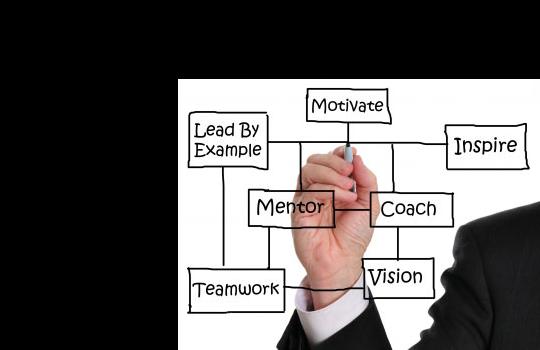
Boris Johnson’s popularity has soared as a potential future Prime Minister, but does he demonstrate the fundamental qualities effective leaders need? This analysis examines whether Johnson’s unique political style, eccentric personality, and ability to build a following align with core leadership principles required for top-level office.
What to do when there’s board trouble
When board members distance themselves from day-to-day operations, they risk missing critical problems and negative feedback. HR directors can help senior executives stay connected to the business, seek regular feedback, and address difficult issues before they escalate into public crises.
Living Leader Learnings: Do 360 degree feedback systems really work?
360 degree feedback systems can provide valuable organizational insights, but they work best when built on existing trust and open communication rather than used to artificially introduce feedback where cultural barriers exist. Without careful positioning and genuine commitment to dialogue, these systems risk becoming box-ticking exercises that miss their intended purpose.
Blog: The World of HR – Today’s frustrations, tomorrow’s dreams part 1
HR leaders worldwide share common aspirations for transforming their function from traditional service delivery toward integrated business support, while managing the challenge of workforce reduction through technology and line-manager delegation. This article explores what HR wants to become based on insights from 26 HR directors across 12 countries.
News: Workmates more important than bosses for job satisfaction
A UK survey of 1,000 workers found that relationships with colleagues are far more important than connections with bosses for job satisfaction and productivity. Two-thirds of respondents would even reject a higher-paying job to stay with coworkers they liked and respected.
News: Lack of HR support means 1/3 senior hires consider quitting in first 3 months
A new survey reveals that one-third of senior hires consider quitting within their first three months due to inadequate HR support and poor onboarding. The research found that weak manager-HR collaboration leads to 50% lower productivity and misaligned expectations about the role and company culture.
Talking Point: Why is HR still looking for training silver bullets?

HR departments often rely on post-course evaluations to assess training effectiveness, but these “happy sheets” fail to measure actual behavioral change or long-term impact. Research shows 70% of learning occurs after training ends, yet organizations rarely track follow-up support or implementation success, perpetuating the myth that training alone solves performance problems.
Blog: Why HR needs to get out more
HR professionals must spend more time embedded in the business to understand commercial imperatives and develop strategic credibility. This requires gaining exposure to customer-facing functions, demonstrating curiosity about business drivers, and actively seeking opportunities to contribute beyond HR-specific projects.
How to work effectively with the C-suite
HR directors can build trust with the C-suite by delivering consistent operational excellence and demonstrating tangible business results. Success requires mastering core HR services, understanding business priorities, and communicating in business terms rather than HR jargon.
Blog: Working Families Conference – How to achieve true flexible working
At the Working Families Conference, Matt Dean facilitated a discussion on achieving true flexible working, exploring why traditional career paths and long work hours persist. The session identified nine key ideas for creating flexible careers as a “voyage of co-discovery” between employers and workers, challenging outdated assumptions about advancement and ambition.
Engaging for success: Motivating line managers to motivate others
Effective line managers need to master five fundamental roles—prophet, storyteller, strategist, coach, and pilot—to engage and motivate their teams. HR professionals can support this development by helping managers become stronger strategists and demonstrating high personal engagement themselves.
Blog: HR, it’s time to show bullies the exit
Workplace bullying, from screaming to exclusion, creates hostile environments that tank employee engagement. HR leaders must take action to stop these behaviors before they damage company culture and create legal liability.
Blog: Becoming a Time Lord – Progressing your career without benefit of hindsight
Discover four practical strategies to identify career gaps and progress without hindsight: visualize your future self, learn from successful peers, create a concrete plan with timelines, and take immediate action toward your goals.
The first HCM reporting benchmark: BITC’s Workwell model
Business in the Community’s Workwell benchmark, launched today after five years of research, provides the first HCM reporting standard for FTSE 100 companies. The evidence-based model establishes guidelines for measuring how employers manage employee wellness, engagement, skills, and resilience across four key pillars, addressing investor demand for rigorous human capital management transparency.
Is the HR recruitment market starting to recover?

The HR recruitment market is showing steady recovery with increased vacancies across most sectors, though challenges remain at senior levels and in securing top-tier talent due to high candidate expectations and companies seeking more strategic, business-focused HR professionals.
News: Lean process focus leads to drop in assessment centre quality
A global survey of 543 HR professionals reveals that cost-cutting measures are compromising assessment centre quality, with 17% of centres completing evaluations in half a day or less despite assessing multiple competencies. Insufficient assessor training and excessive time pressure are raising concerns about the effectiveness of these streamlined processes.
HRZone Interview: Jason Holt on apprenticeships
Jeweller and entrepreneur Jason Holt believes UK businesses are missing growth opportunities by not offering apprenticeships. His government report reveals that many SMEs misunderstand apprenticeship schemes, finding them too complex and inaccessible for their needs.
Blog: Just what is an executive coach exactly?
An executive coach works with business leaders to improve performance, much like sports coaches do with athletes. Unlike mentors, executive coaches diagnose strengths and weaknesses, ask challenging questions, and hold clients accountable to help them find solutions to workplace challenges.
Blog: Five ways to encourage a proper workplace dialogue
Discover five practical strategies for fostering genuine two-way dialogue in your workplace, from climate feedback sessions and story-swapping to coffee break conversations with leaders. Modern employees expect to have their voice heard—learn how to create the right blend of communication approaches for your organization’s culture.
Living Leader Learnings: Longer hours for less pay – How can I motivate my team?
When salaries are frozen and staff are stretched thin, leaders can’t simply motivate teams from the outside. Instead, create space for employees to take ownership of their working conditions by involving them in solving problems together and finding ways to work more efficiently.
