
What mothers want: What women say about how they can be best supported in the workplace

Mothers face ongoing workplace discrimination, with flexible working policies often insufficient to ensure genuine support. Employers must move beyond surface-level arrangements to create individualized options, monitor career progression for flexible workers, and build a company culture that actively supports working parents rather than sidelining them.
Going back: what fears and hopes do mothers have before returning to the workplace?

Mothers returning to work after maternity leave face deep anxieties about missing their children and managing competing demands, yet many hope returning to work will reignite their sense of purpose and ambition. Real conversations from Mumsnet users reveal the emotional complexity of balancing parenthood and career.
Beyond the nappy zone: Why older people and carers need flexibility too

Flexible working isn’t just for parents of young children—older workers and carers also need workplace flexibility to maintain financial independence and meet their responsibilities. As retirement ages rise and demographic shifts increase the number of older workers, flexible arrangements become essential for managing health needs and caregiving duties.
Achieving gender balance – the practical stuff

Achieving gender balance requires strategic integration across your organization, not isolated initiatives. Success depends on analyzing internal data—employee demographics, attrition, and promotion patterns—alongside external market trends in your sector and customer base to align cultural transformation with business goals.
Achieving gender balance is about men – not women

Achieving gender balance requires focusing on men’s roles and expectations, not just removing barriers for women. Research shows fathers who take time off or work part-time face greater earnings penalties than mothers, revealing how workplace cultures reinforce traditional gender norms that hinder progress toward true equality.
How to avoid another year of Trexit

To avoid another divisive year, practice active listening with those who hold opposing views, examine your own unconscious biases, and work toward mutual understanding rather than judgment.
Contextualising innovation in HR: what do we mean?

Innovation in HR means shifting focus from processes to human-centered design that prioritizes employee wellbeing, skills development, and work-life balance. As humans become the biggest variable in organizational success, companies must adopt design-thinking approaches that fit into employees’ lives rather than impose rigid programs.
Maternity coaching: a crap name for an incredible development opportunity

Maternity coaching, or identity transition coaching, is a powerful personal and professional development opportunity that helps new parents navigate the transformative experience of becoming a parent. Rather than focusing on childbirth or parenting skills, this coaching approach frames parenthood as a unique catalyst for reflection and meaningful life change.
Financial wellbeing – time for businesses to act?

UK adults face significant financial stress, with one in four struggling in January and millions having no savings. Poor financial wellbeing costs businesses £120 billion annually in lost productivity, making workplace financial support increasingly important.
HR then and now: how a decade has changed the workplace

Over the past decade, the workplace has transformed significantly. A BambooHR study comparing 2006 and 2016 data reveals improvements in employee satisfaction and engagement, with 66% of employees now preferring to stay at their current company versus 48% a decade ago. However, fewer employees feel their jobs match their skills and interests, highlighting areas where companies still need improvement.
A snowball started rolling: lessons from Norway about gender quotas on boards
Norway’s 2002 gender quota for corporate boards demonstrates that mandatory regulations—not voluntary measures—drive meaningful change in women’s board representation. The quota, which applied to about 600 public companies, led to thousands of women gaining board experience and inspired similar policies across Europe, though cross-country comparisons remain challenging due to differing corporate structures and governance systems.
The state of family-friendliness in UK financial services

UK financial services lags behind other sectors in offering flexible working arrangements, despite major firms like RBS and PWC investing in family-friendly workplace initiatives. Part-time work remains significantly less common in finance than across the broader economy.
The grey area of the parent trap and the failure of work to tackle it

Workplaces operate in two fundamentally different ways: task-oriented systems where work and life blur together, and clock-based systems that strictly separate work hours from personal time. This article explores how modern employment fails to accommodate the grey area between these models, and how this divide became artificially entrenched during the Industrial Revolution.
Family-friendly workplaces: the role of mental wellbeing
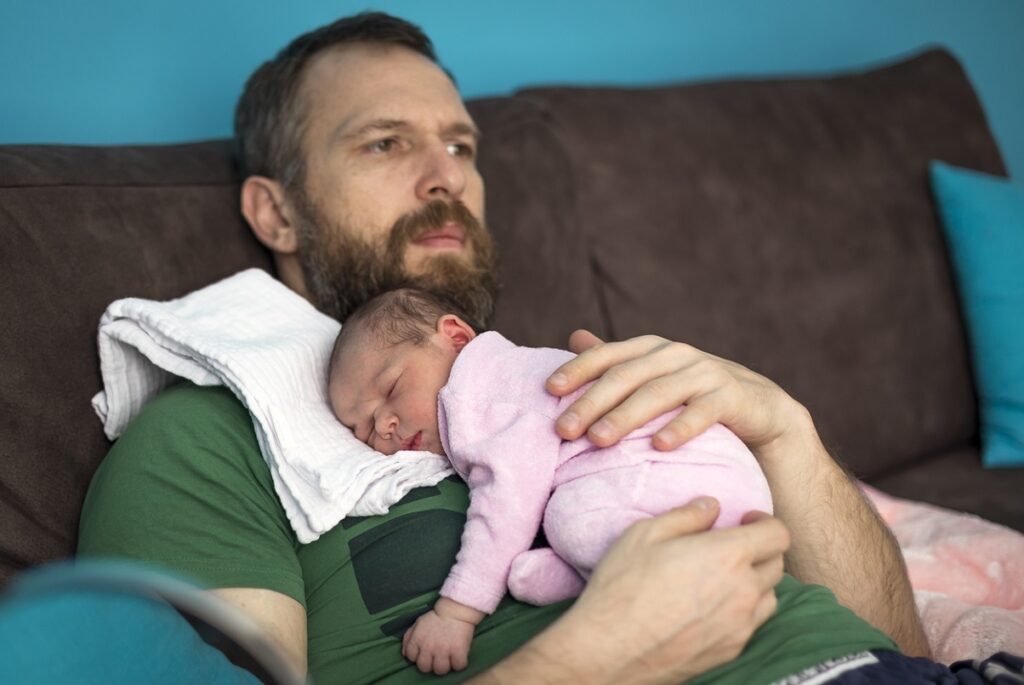
Employers should prioritize mental wellbeing by addressing work-related stress, supporting employees with mental health challenges, and implementing family-friendly policies like childcare vouchers. This approach creates happier, more productive workplaces where parents can thrive without stigma or discrimination.
Should human resources be managing human rights?

HR departments increasingly manage human rights beyond employment issues, including supply chain and community rights like water and education. However, research shows many companies conflate human rights with employment rights, leaving non-employment violations overlooked. New regulations require stronger human rights due diligence reporting.
Can you treat anxiety at work through working memory training?

Research shows working memory training may reduce anxiety at work by improving focus and attention control. A study found that students who completed 15 days of progressive brain-training exercises showed improved performance under stress and greater neural relaxation compared to a control group, suggesting organizations could incorporate such training into mental health support programs.
Who are you under your suit?

Discover why intuition matters more than intellect in the workplace. Learn how slowing down and listening to your inner voice can improve decision-making, team placement, and overall fulfillment in corporate life, backed by psychological research and organizational theory.
Workplace hygge: how to embrace it

Hygge, the Danish concept of cozy wellbeing, can transform workplace culture and employee engagement. By redesigning office environments with better lighting, wood elements, communal seating, and homely touches, organizations can create spaces where staff feel secure, productive, and valued.
Female leaders in travel – on leadership and courage

Female leaders in travel shared insights on leadership and courage at a November 2016 London meetup. Panelists discussed career ownership, combating ageism in the industry, and the importance of continuous skill development for women seeking advancement.
How can generosity help with managing a team?

Generosity in team management—through listening, appreciation, and support—boosts employee morale, creativity, and performance. Leaders who make time for their team members and model self-worth create engaged, well-functioning teams that perform at their best.
