Breaking the stigma: why every office needs a Mental Health First Aider

Mental health issues like depression and anxiety cost UK workplaces millions of days annually, yet stigma and lack of understanding often prevent proper support. Mental Health First Aiders can help break this stigma, providing essential workplace support that reduces absenteeism and improves employee wellbeing.
HR in retail: 5 trends HR leaders should watch out for in 2017

Retail HR leaders should prioritize employee retention and wellness in 2017, as companies like Walmart discover that investing in engaged workers boosts customer satisfaction and revenue. Employee development and wellbeing programs are no longer luxuries but essential strategies for competitive retail success.
Music as an HR resource for employee wellbeing

Research demonstrates that music and creative arts are underutilized HR resources that can significantly enhance employee wellbeing, engagement, and organizational culture. A holistic wellbeing strategy integrating music and arts alongside traditional health initiatives creates competitive advantage through improved employee cooperation, reduced turnover, and stronger workforce unity.
Rabbit whisperers, robots and the realms of possibility

Discover how robotic process automation and AI might create space for new specialized roles like the “Rabbit Whisperer,” freeing humans from tedious tasks to focus on creativity, customer service, and meaningful work rather than simply eliminating jobs.
Reverse culture shock: hitting home when you least expect it

Returning home after years abroad often proves more challenging than expected. Reverse culture shock—the difficulty readjusting to your native culture and identity—can manifest as subtle frustrations or serious emotional struggles, as both home and you have changed significantly during time away.
Analysing the challenges in global mobility
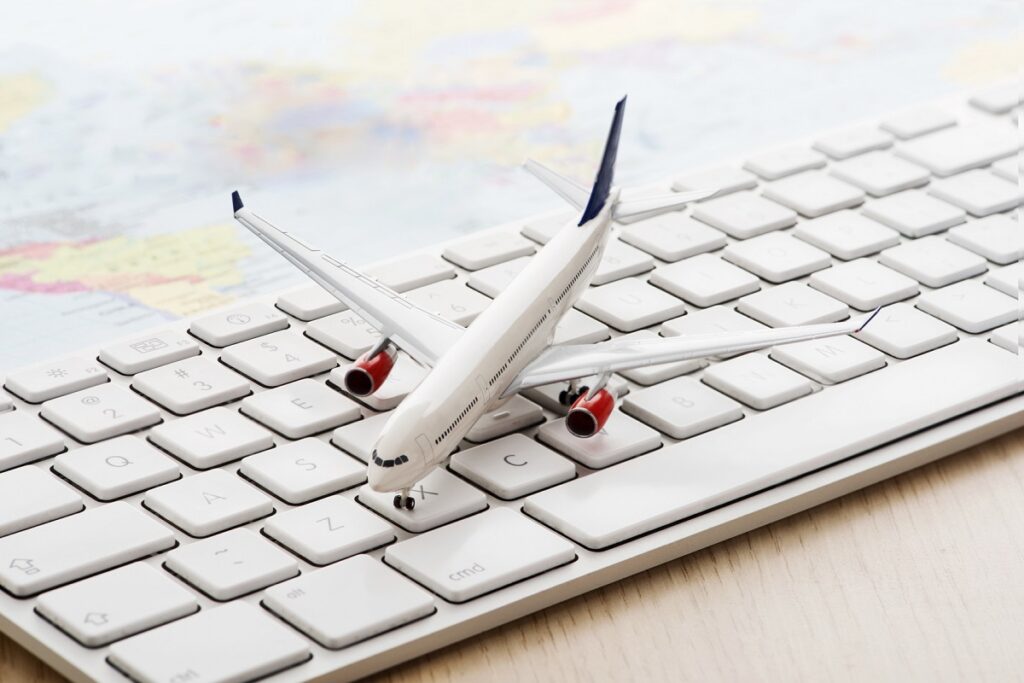
Global mobility faces significant challenges including severe gender underrepresentation among international assignees, poor integration between talent management and global mobility departments, and compliance issues. A survey of mobility professionals identified that organizations need flexible HR policies and stronger departmental collaboration to address these barriers.
Video: what is the role of ‘noise’ in communication?

Noise in communication refers to any interference that disrupts message reception and interpretation. This video explains the different types of communication noise and strategies to minimize their impact on effective communication.
25 top tips from Grant Thornton’s Talent Mobility team

Grant Thornton’s Talent Mobility team shares 25 essential tips for HR professionals managing international assignments, covering employee experience, compliance, partner selection, and program measurement. Key advice includes prioritizing repatriation planning, maintaining clear expectations, and celebrating program successes.
Tech has transformed the customer experience – it’s time it did the same for retail staff

While technology has revolutionized the customer experience in retail through innovations like faster delivery and AR fitting rooms, frontline staff have largely been left behind. Despite employing three million workers in the UK, retailers continue relying on outdated communication methods instead of investing in employee-focused technology solutions.
WHSmith’s plan to increase number of ‘mental health first aiders’

WHSmith is training all 1,100 line managers in Mental Health First Aid over the next 12 months to match the number of physical first aiders. The retail company partnering with Mental Health First Aid England aims to raise mental health awareness, reduce stigma, and provide workplace support for its 14,000 employees.
What your voice in the workplace says about you

Your workplace communication style shapes how effectively you influence others and drive business results. Understanding your natural communication patterns—exploring, positioning, and controlling voices—reveals strengths and gaps that impact your leadership effectiveness and professional relationships.
Man against the machine: the struggle against unconscious bias
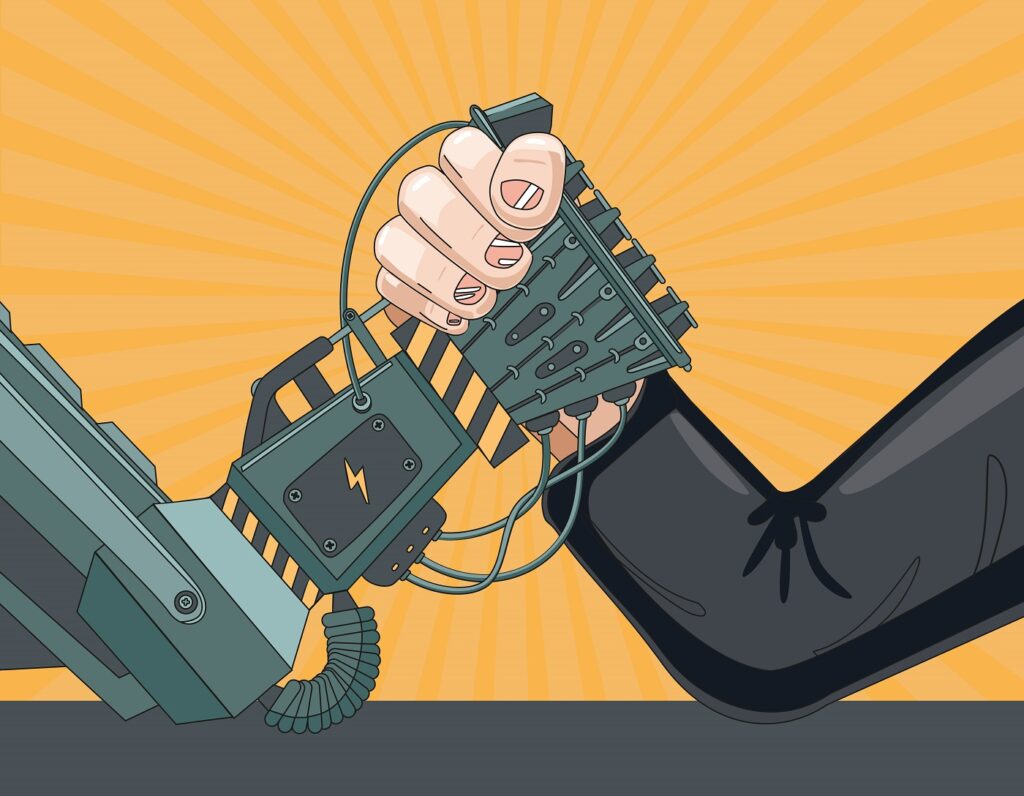
AI and machine learning can help combat unconscious bias in recruitment by enabling data-driven hiring processes. Rather than competing with humans, these technologies enhance our capabilities and improve diversity and inclusion efforts, particularly for high-volume applicant screening.
Coffee break: Cubicle living, the ageless workforce and generationalisationism
Explore this week’s essential HR news and opinion covering workplace culture, employee well-being, leadership trends, and recruitment challenges. From aging workforces and cubicle living to the gig economy and hiring obstacles, this curated roundup highlights key topics shaping modern workplaces.
What’s happening at the frontiers of wellbeing?

Research into neuroscience, sleep, mindfulness, and financial wellbeing is reshaping workplace strategies. Emerging findings, including how emotions spread between employees during meetings, reveal psychological processes that influence organizational culture and decision-making quality.
Coffee Break: Swearing, gratitude and what you need to know about the freelance economy
Explore curated HR insights on the freelance economy, workplace culture, employee wellbeing, and organizational strategy. This collection covers recruitment trends, the benefits of empowering employees, the connection between health and performance, and more essential workplace topics.
In defense of night: we treat it with disdain yet spend 26.5 years asleep

Sleep has been historically undervalued despite its critical importance to health and survival. Recent research reveals sleep’s essential functions including brain detoxification, immune maintenance, and appetite control, yet society still glorifies functioning on minimal rest, leading to impaired cognition and increased accident rates.
Employee engagement at a 100-year-old retail motor group

Marshall Motor Holdings, a 100-year-old UK motor dealer group with 4,000 employees, has climbed from good to great on the Best Workplaces list through a simple philosophy: listening to employees, taking action, and genuinely caring about what matters to them. Their bottom-up, inclusive approach to engagement has driven improvements in trust scores and business results year-on-year.
Powering performance with… rosemary oil

Research from Northumbria University shows that rosemary oil’s active ingredient, 1,8-cineole, enhances cognitive performance and mood. Higher concentrations in the blood correlate with improved speed, accuracy, and contentedness, suggesting the herb may boost mental performance through positive mood effects.
If you want trust, you have to invest in culture

Building organizational trust requires more than granting employee autonomy—it demands a genuine investment in shared values and organizational culture. High-trust environments empower employees to work independently while maintaining accountability through peer relationships and clear cultural foundations that keep efforts aligned.
E-resilience – why should HR care?

E-resilience refers to behaviors and environmental interactions that help individuals engage with technology in healthy, sustainable ways. As ICT blurs work-life boundaries, HR professionals must understand how to support employees’ digital wellbeing and organizational effectiveness in an always-connected workplace.