
90 minutes of football gets staff a free pass, so why doesn’t this moment of seismic upheaval?
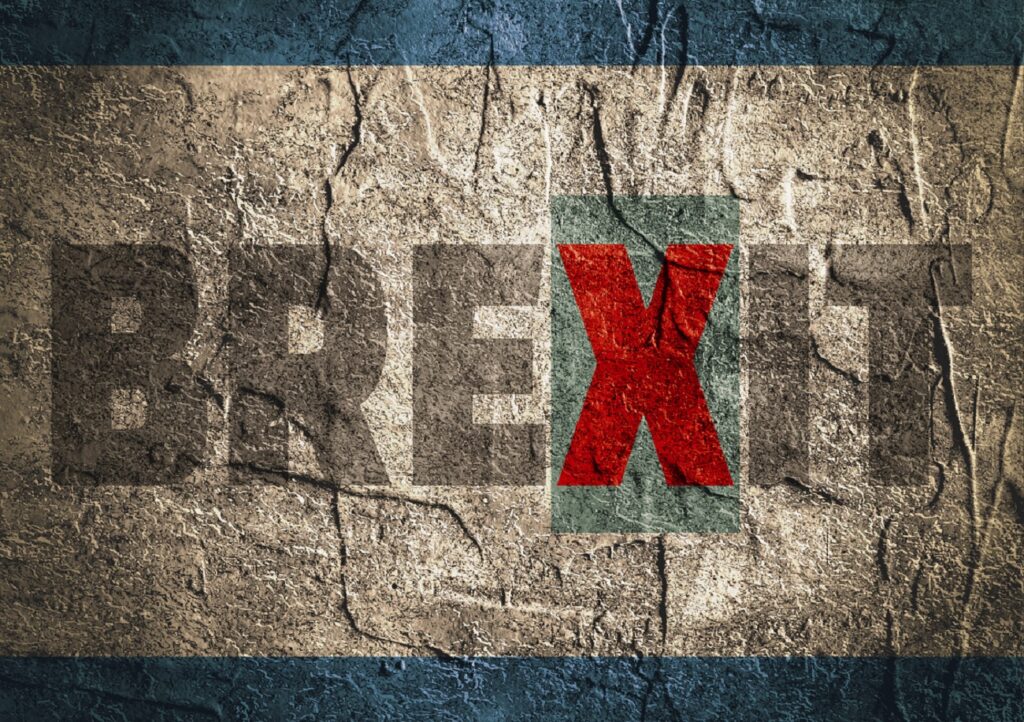
Following the UK’s Brexit referendum result, employees are experiencing significant emotional upheaval that organizations shouldn’t ignore. While employers grant staff time off for football matches, many are treating this historic moment as business-as-usual, despite widespread distress and division among workers who need compassion and support.
Four top tips for better sleep and improved workplace performance

Improve workplace performance by aligning your sleep routine with your natural body clock. Learn how social jet lag affects productivity and four practical tips to enhance sleep quality and daytime energy levels.
Gossip in your workplace probably does you more good than harm
Research suggests workplace gossip may benefit employees more than harm them. Rather than a character flaw, gossip functions as a social skill that helps build trust and group cohesion. While excessive negative gossip can be problematic, eliminating it entirely overlooks its essential role in workplace dynamics.
What employee benefits are currently being hyped?

Modern employee benefits extend beyond perks like free snacks and nap pods. While 79% of employees prioritize salary increases, workplace redesign, wellness programs, and financial support are emerging as crucial retention factors that drive productivity and engagement.
Coffee Break: Corporate vs. professional, office design and the LinkedIn for working mums
A curated collection of this week’s top workplace articles covering office design trends, recruitment innovations for career-break professionals, gender pay gap progress, and workplace culture insights that challenge corporate thinking.
Studying politicians: emotionally-intelligent leadership can be taxing
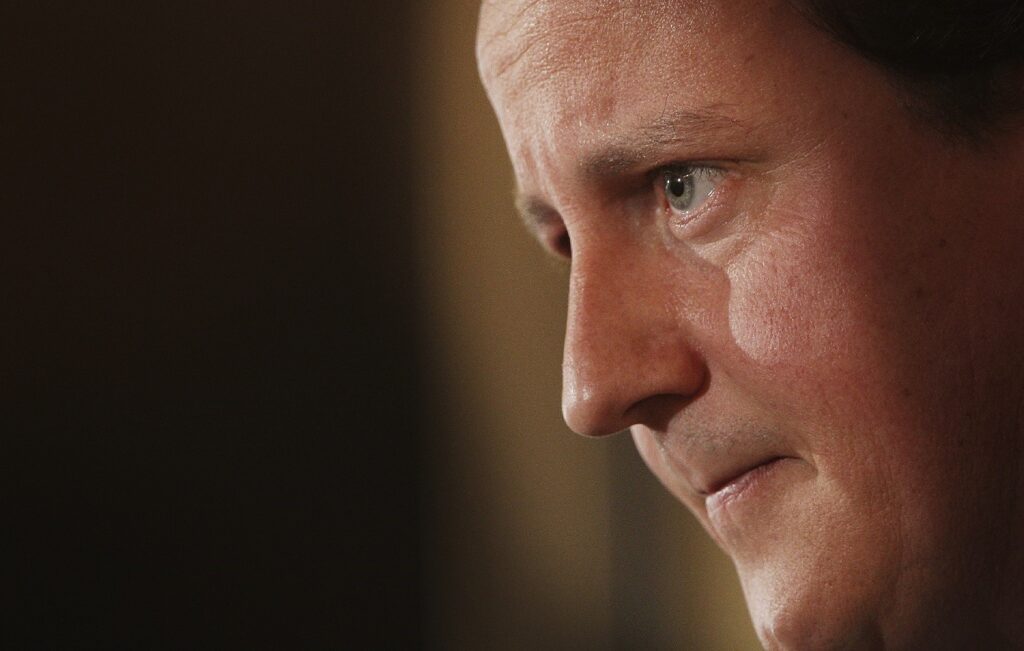
Emotionally intelligent leadership requires processing emotions transparently rather than suppressing them. When public figures like politicians fail to acknowledge and express their feelings, they create perceptions of insincerity that can damage trust and allow suspicion to grow among the public.
Great Place to Work announces best workplaces of 2016

Great Place to Work’s 2016 report reveals the UK’s best workplaces, showing that high-performing organizations achieve 85% trust levels compared to 55% for average companies. The analysis examines how trust and engagement drive business success, featuring insights from leading companies like Softcat, McDonald’s, and Salesforce.
Workplace conflict: Is the workplace itself part of the problem?

Workplace environments significantly impact employee stress and conflict levels. Open office designs and lack of natural light increase distractions and monitoring stress, making workers more defensive and susceptible to destructive conflict. Physical workplace conditions directly influence both emotional wellbeing and conflict resolution outcomes.
Seven Emails: emergent behaviour to work as a discretionary choice
Explore how senior leaders can facilitate emergent behavior in organizations by shifting from top-down initiatives to empowering employees. This Seven Slack conversation between HR professionals examines why positive emergent behavior remains difficult to achieve and how fear prevents inclusive, sustainable workplace cultures.
This anonymous FTSE50 HR Director tells us why corporate intolerance of mental health must change

A FTSE50 HR Director reveals why large corporations are failing employees’ mental health, arguing that toxic work cultures driven by shareholder pressure and cost-cutting create stress, while superficial wellbeing programs address symptoms rather than root causes.
Breakfast Insight: Positive psychology at work
Discover how positive psychology can transform your workplace. In this Breakfast Insight episode, Tim Lomas, a lecturer in positive psychology at the University of East London, explores the connection between employee happiness and organizational improvement, offering practical guidance for employers.
Snakes in suits: exploring the dark side of mindfulness

While mindfulness programs are popular in corporate wellness, HR professionals should critically examine the scientific evidence behind them. Many studies cited by vendors use small sample sizes and unrepresentative populations, limiting their real-world applicability to your organization.
Sleep, stress & mood: the healthy trinity of executive performance
Sleep deprivation significantly impairs executive performance, affecting mood, stress levels, and decision-making ability. Most people require around eight hours of quality sleep nightly, yet workplace cultures often glorify long hours and insufficient rest. Neuroscience shows that lack of sleep damages concentration, memory, and cognitive function as much as alcohol consumption, making adequate rest essential for business success.
Legal highs: the impact on the workplace

Legal highs are synthetic substances not yet banned by law that produce unpredictable, potentially dangerous effects. One-third of UK employers report drug or alcohol issues in the workplace, while new psychoactive substances contributed to 129 deaths in 2014, prompting government legislation to ban their use in April.
The email conundrum: what can organisations do?

A 2015 survey of nearly 2,000 UK employees reveals email as a double-edged sword: while workers appreciate its flexibility, those who find it most helpful also experience the highest email-related pressure. The research shows email habits matter more than volume in determining workplace stress.
Why do we still go to work when ill?
Presenteeism—attending work while ill—causes greater productivity losses than absenteeism and can harm employee health and workplace safety. Research shows presenteeism stems from both organizational policies and job satisfaction, with varying consequences depending on illness type.
A personal account of my suicide attempt

Josh Quigley survived a suicide attempt in 2015 and now works globally as a mental health ambassador to reduce stigma and help others. He shares how suicidal thoughts escalated to dangerous behavior and describes coping strategies that transformed his recovery and daily mental health management.
Resilience isn’t just a nice-to-have. Here’s why.

Resilience isn’t fixed—it’s a skill that can be developed through training and experience. People with greater resilience bounce back from challenges faster, maintain perspective during crises, and make conscious choices rather than reactive decisions, directly improving their wellbeing and workplace performance.
Time to say goodbye to the open plan era?
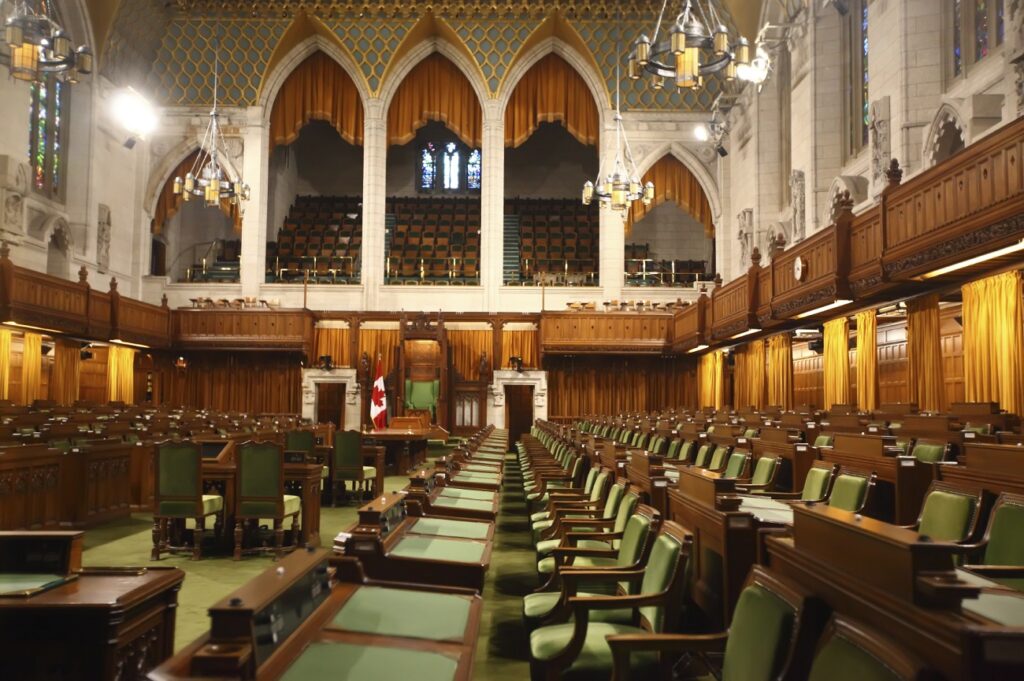
As workplaces reconsider open-plan designs, research reveals they can harm employee wellbeing and productivity despite fostering collaboration. Studies show that smaller open offices with partitions, better air quality, and personal temperature control significantly improve performance and job satisfaction.
What could personal resilience training look like?

Personal resilience training equips employees with emotional readiness through self-awareness, self-confidence, and support networks to manage workplace stress. This HR wellness strategy helps workers maintain mental health and performance while enabling managers to provide better support for the 25% of employees affected by mental health issues.
