
Blog: Succession planning – Winning the talent war
Effective succession planning is critical for organizational continuity. While companies like McDonald’s and IBM excel at seamlessly transitioning leadership, many organizations lack formal strategies to identify and develop high-potential leaders, leaving them vulnerable when top executives depart unexpectedly.
Blog: Starting out – HR’s new cost-per-hire standard
The American National Standards Institute has established the first industry-wide standard for calculating cost-per-hire, giving HR professionals a unified methodology recognized globally. This milestone allows HR teams to present standardized hiring metrics to CFOs, with additional standards planned for job descriptions, diversity, and performance management.
Dealing with an Olympian event
Nearly a third of UK organisations lack adequate preparations for the upcoming Olympic Games, despite 93% expecting to be affected. Employers in host areas face challenges including holiday requests, travel disruption, and the need for flexible working arrangements to maintain business continuity and staff morale.
Blog: The emerging discipline of strategic workforce planning
Strategic workforce planning (SWP) is emerging as essential for large organizations, yet only about 20% have successfully implemented it. Unlike basic resource planning focused on headcount projections, effective SWP integrates people planning into broader strategic capability planning, positioning HR as a key driver of organizational effectiveness rather than a standalone function.
London 2012: 02 staff pilot flexible working options
O2 closed its Slough headquarters and asked 3,000 employees to work remotely to test flexible working contingency plans ahead of the London 2012 Olympics. The pilot aimed to manage expected travel disruption while demonstrating mobile technology benefits to UK businesses.
Blog: Steve Jobs – lessons in talent management
Steve Jobs built Apple’s culture around his influential leadership, raising questions about succession planning and talent management. This post examines how organizations can prepare for the departure of charismatic leaders by developing strong talent pipelines and recruiting people who embody the company’s core values and innovation principles.
HR must become more strategic, warns study
A global study warns that HR professionals must transition from transactional functions to strategic business partners to remain relevant in complex, globalized markets. The research identifies three key elements: aligning with business strategy, delivering personalized services, and improving cost efficiency through process streamlining.
Birmingham Council to hire out staff using workforce planning tool
Birmingham City Council is using its new “Talent Net” workforce planning tool to identify and retain critical staff while managing thousands of job cuts. The framework will also enable the council to commercially hire out workers to other local authorities, helping offset expenditure reductions of £300 million.
Succession planning, skills and performance top priorities for HR
Succession planning, skills development, and performance management are emerging as HR’s top priorities as organizations shift focus from cost-cutting to growth. A global survey reveals that over half of companies struggle with skills shortages, particularly at supervisor and mid-management levels, as they compete in an intensifying war for talent.
Barratt homes discover the ideal time to build their dream workforce
Barratt Homes used the construction downturn to redesign its recruitment process, implementing an online application system with job-specific screening questionnaires. The new approach increased applicant quality while reducing manager screening time, with 52% of candidates self-selecting out after realizing they weren’t suitable for the role.
Skills of workers aren’t ‘visible’ claim HR

Only a third of UK HR professionals are confident they can redeploy staff effectively, with poor visibility of employee skills cited as a major barrier to managing workplace change and retaining top talent.
The new succession planning
Self-service talent management systems are transforming succession planning by expanding opportunities beyond senior roles to engage high-potential employees across the organization. This approach reduces turnover, improves retention of top performers, and enables employees to identify career paths and development needs aligned with business objectives.
Workforce planning: Do you have the right people and skills?
Effective workforce planning requires aligning your people and skills with business needs and customer expectations. Discover how strategic recruitment, knowledge transfer programs, and job security drive productivity and innovation while preventing costly talent loss.
Workforce planning: How many staff does it take to run an organisation?
Workforce planning helps organizations determine the right number of staff needed and boost productivity. Rather than arbitrary cuts, strategic workforce planning aligns employee skills and numbers with business demands to sustain growth and improve service delivery.
Make 2010 your year: Leadership, personal development and talent
Invest in personal development in 2010 to advance your career and leadership potential. With HR departments prioritizing succession planning and talent retention, developing your skills now positions you as a valuable candidate for future leadership roles within your organization.
Succession planning: The bigger picture
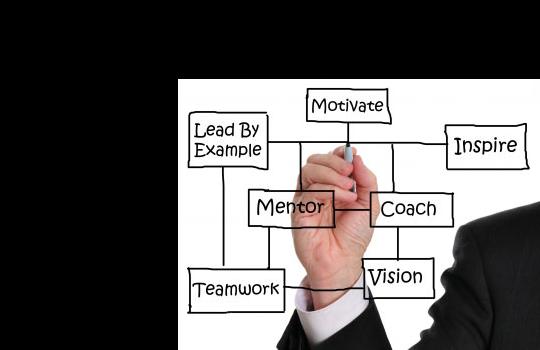
Succession planning extends beyond senior executives to include critical roles throughout your organization. Effective strategies identify key positions across all departments, develop internal talent pipelines, and integrate succession planning with broader people management disciplines like recruitment and performance management.
Discovering the leaders of the future
HR leaders must rethink what future leadership looks like post-financial crisis, focusing on candidates’ capacity to learn and adapt rather than traditional track records. As workforce supply tightens with Baby Boomer retirums, organizations need new selection criteria and talent pools to identify leaders who can engage stakeholders and navigate complexity.
Home grown leaders preferred, say UK employees
UK employees have significantly more respect for leaders promoted internally than those hired externally, with two-thirds viewing home-grown managers as good leaders. However, most UK companies hire externally for leadership roles, and only 38% of employees are confident their leaders will navigate the recession successfully.
Real succession management
Succession management is a strategic framework that goes beyond identifying suitable candidates for senior roles. It encompasses resource planning, capability development, and organizational design to ensure your company has the right people with the right skills when needed. Lisette Howlett explores common succession management mistakes and key factors for an effective process.
Workforce planning: Helping to deliver on promises
Workforce planning aligns future business strategy with workforce demand, helping organizations manage capacity, capability, and skills gaps. Peter Howes outlines five key areas to ensure the right people with appropriate skills are in place when needed, reducing business risk in unpredictable environments.
