
How to create a collaborative workplace

Build a collaborative workplace by encouraging employees to move between teams and locations, breaking down traditional hierarchies. This flexible, open-structure environment boosts creativity, knowledge sharing, and employee wellbeing while fostering stronger employer-employee relationships.
Your guide to the mysterious world of ‘priming’

Priming uses environmental cues to subconsciously influence behavior and nudge people toward desired actions. Managers can leverage this powerful technique through methods like securing early commitments, arranging physical spaces to encourage openness, and using visual reminders to reinforce desired behaviors.
Feminism rebranded: Gen Y women & the gender divide

Generation Y women understand gender inequality in the workplace but reject the feminist label, instead advocating for equality through modernized approaches that differ from earlier feminist activism while still addressing persistent workplace disparities.
Engagement myth #1: the same strategy works for all

Employee engagement strategies must be tailored to each organization’s unique context and constraints. A one-size-fits-all approach fails because external changes, company size, past experiences, and organizational history all significantly impact how engagement is implemented effectively.
Are your managers really applying what they learn?

After Event Reviews (AERs) are a proven method for ensuring managers apply learning from training programs. This systematic reflection technique, used by the US Army since the 1970s, helps individuals analyze their behavior, identify errors, and plan better approaches for future situations.
Why do we insist on blaming people when things go wrong?

Human investigations into accidents and crises often focus on blaming individuals rather than addressing systemic failures, preventing organizations from implementing necessary changes. Research shows that post-incident recommendations frequently go unimplemented due to person-centered approaches that hunt for culprits instead of examining organizational conditions that enable errors.
What I learned in prison about behavioural change

A forensic psychotherapist who spent a decade working with hardened criminals shares three key insights about behavioral change: mental processes are similar across people, changing behavior is genuinely difficult, and environmental context matters more than intervention alone.
10 questions: how well do you know your workforce?

As companies expand across multiple locations, understanding your workforce becomes increasingly difficult. This self-assessment quiz with 10 key questions helps organizations evaluate how well they know their employees’ distribution, diversity, retention, and performance metrics to inform better people management strategies.
Three quick wins for workplace productivity

Boost workplace productivity with three actionable habits: capture information systematically to free your brain for decision-making, optimize your work environment based on the task type, and review information channels strategically. These evidence-based practices help teams focus better and accomplish more.
Four principles for instilling cultures of creativity

Organizations can build cultures of creativity by meeting employees’ fundamental needs—food, safety, love, and self-esteem—and then applying four key principles: inclusivity, effective brainstorming, continuous learning, and taking breaks. When basic deficiency needs are fulfilled, employees gain the freedom to think innovatively and take initiative without hiring new talent.
Welcome to the new and improved HRZone!
HRZone has launched a redesigned website with improved navigation, infinite scroll, and enhanced community features to help HR professionals find content more easily and engage with the platform intuitively.
HRZone relaunch: The Missing Features

HRZone’s relaunch on February 23rd will temporarily remove three features: Any Answers, Private Messages, and Notifications. These will return later in the year, with Any Answers viewing available by end of February. Users can direct questions via Twitter, LinkedIn, or article comments during the transition.
How do you make change the ‘new normal?’

Making organizational change sustainable requires understanding existing culture first, building team buy-in through transparent communication, and introducing changes gradually. A technical director shares 10 practical steps learned from a two-year transformation program, emphasizing observation, team alignment, and addressing concerns to prevent change fatigue.
Rethinking HR delivery in the NHS

NHS organisations are rethinking HR delivery to manage costs and improve efficiency without compromising quality. Shared services, outsourcing, and digital platforms like self-service portals are enabling HR teams to focus on strategic priorities while reducing administrative burden.
Stakeholder engagement is key to successful change

Successful organizational change depends on engaging stakeholders through genuine relationships and leadership, rather than focusing solely on processes and management. Listening to stakeholders’ concerns, securing senior buy-in, and motivating all affected parties—not controlling them—creates better outcomes and sustainable transformation across organizational boundaries.
Can you manage the dynamics of organisational change?

Discover how the Dynamics of Change model helps organizations navigate complex business transformation. This structured yet flexible framework guides leadership through five integrated dynamics—from strategic vision to implementation—using responsive, iterative approaches that adapt to real-world organizational challenges.
Older workers would struggle in job beyond retirement age, study finds

A new study finds that employers believe nearly one in three older workers would struggle to perform their current role beyond retirement age, despite expecting an increase in this workforce segment in coming years.
Four deadly mistakes of 360-degree feedback
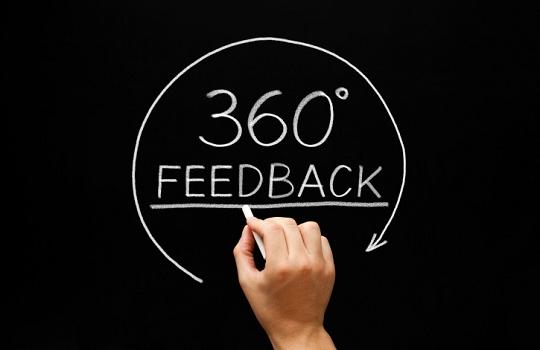
Four common mistakes can undermine 360-degree feedback programs: using language that frames it as a compliance task, allowing data misuse by other departments, and flawed questionnaire design. HR teams must protect the process’s integrity to ensure participants provide honest, constructive feedback for genuine development.
NHS toolkit launched to better link staff pay to performance

The NHS has launched an online toolkit to help organisations better link staff pay to performance through the Agenda for Change framework. The resource provides guidance and best practice examples to support more flexible and consistent pay decisions while improving appraisals and staff engagement across the health service.
Interview: Gary Luffman, Director, thinkchange consulting
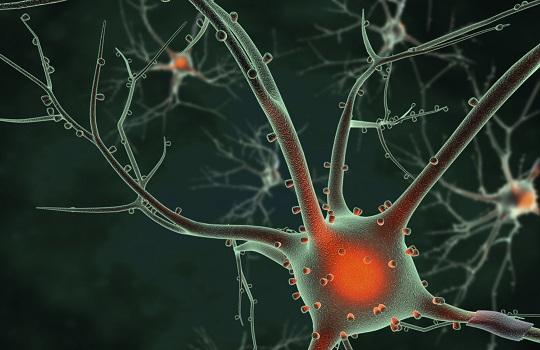
Gary Luffman, Director of thinkchange consulting, discusses how neuroscience and psychology are transforming workplace practices. He explores current research trends including mirror neurons and cognitive-enhancing drugs, while explaining how these disciplines provide evidence-based grounding to HR decision-making.
