The reality of performance: no team is an island

Winning teams succeed by building strong relationships across stakeholder groups and seeking genuine feedback beyond their immediate circle. Through dialogue, active listening, and conversation, they understand stakeholder needs and enable others to succeed rather than compete internally.
The six habits that help teams win

Discover six simple habits that help teams become more productive and successful, including the Eight Hour Revolution and Masterful Meetings. These straightforward practices require no time management courses and can be implemented by any team to drive meaningful progress toward their goals.
5 steps to building a winning team

Learn the five essential steps to building a winning team that delivers exceptional results without burning out. This guide covers assessing your current state, clarifying shared purpose, ensuring the right people are in place, establishing behavioral norms, and building trust—a process requiring sustained effort over time.
Team types – which one are you?

Discover which of five team types describes your group: Seriously Dysfunctional, Mediocre, Resistant, High Potential, or Winning Team. Understanding your team type helps identify what’s working and what needs change to achieve better results more effectively.
Is all anger in the workplace bad?

Not all workplace anger is harmful. While anger is associated with assertiveness and can signal competence to others, it can also drive constructive problem-solving and proactive behavior when managed effectively.
How to align your team with good co-ordination

Effective team coordination requires planning, organizing, and delegating work strategically while fostering open communication and informal networks. Managers should integrate activities sequentially, define clear task boundaries, and leverage social relationships that cross organizational lines to achieve unified effort.
Work teams need these six things to be successful

Successful work teams need six key elements: shared purpose, clear decision-making processes, defined roles, strong communication, trust, and psychological safety. Research shows employees who fit well with their job, team, and organization have greater satisfaction, retention, and performance.
Priming teams: to do it or not?

Recent research from UCL School of Management reveals that teams make better decisions when given advice during their discussions rather than before they start. The study found that in-process interventions lead groups to share more critical information and reach higher-quality decisions, challenging the conventional wisdom that prevention is always better than cure.
Evidence-based agony aunt: “I want to give more responsibility to people. How do I get them to step up?”

A neuroscience expert explains how trust triggers oxytocin production in the brain, making people more trustworthy and accountable. To delegate effectively, start by genuinely trusting your team members, even if you need to break tasks into smaller chunks initially.
The office choir: can music revolutionise the boardroom?
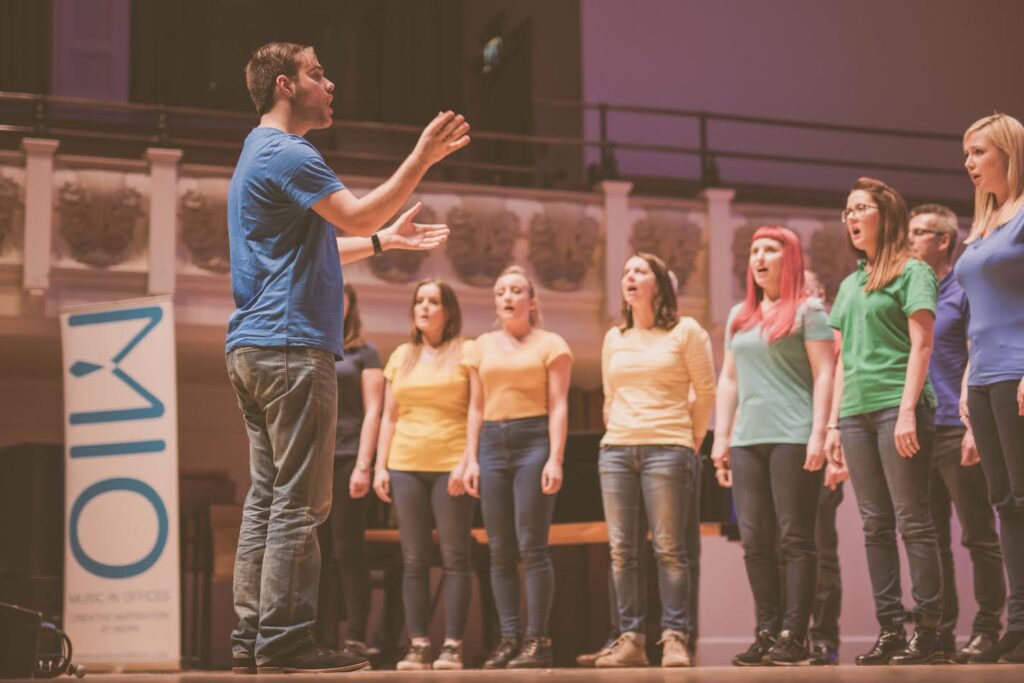
Music in Offices uses choirs and music-based workshops to boost employee engagement and wellbeing in major corporations. The #RevolutionisetheBoardroom campaign encourages employers to embrace music and the arts as core business strategy tools for improving workplace culture and motivation.
Taking one for the team: why it’s time to ditch the dogma of individual rewards

Individual reward systems undermine teamwork and motivation in modern organizations. Research shows that rewarding individual performance contradicts workplace goals of team collaboration, while extrinsic rewards can actually diminish intrinsic motivation and creative work. Organizations need to shift reward structures to align incentives with collaborative success rather than personal achievement.
8 winning tactics for creating gold medal teamwork

Learn eight proven tactics for building gold medal teamwork: establish trust through personal connections, share knowledge generously, maintain transparency, and align your team around a clear vision and purpose. These strategies—proven by Olympic success—strengthen both team performance and individual achievement in any organization.
The diversity challenge? Team cohesion grows from shared goals

Elaborate team-building events like baking competitions and zombie games are increasingly common, but they often fail to build lasting cohesion, especially in diverse workplaces. These activities can exclude team members and don’t address underlying workplace conflicts that require genuine shared goals and purpose to resolve.
Just how can you quickly spin up teams on the fly and make them more efficiently?

Leaders building teams quickly should prioritize people first, then tasks. Successful rapid team formation requires leaders who wear three hats—leader, manager, and facilitator—combining genuine interest in team members with strong delivery accountability and delegation skills.
Do team members retaliate or cooperate when co-workers call in sick?

Research reveals that team members are more likely to call in sick when co-workers frequently do so, a behavior driven by reduced cooperation norms rather than retaliation. This imitation effect is stronger in socially-integrated teams, suggesting workplace culture significantly influences absence patterns and organizational productivity.
“Operational excellence cannot be one of fifteen initiatives you have running.”

Operational excellence requires total organizational commitment and cannot succeed as one of many competing initiatives. According to Justin Hughes, a former Red Arrows pilot and high-performance consultant, excellence demands consistent leadership, clear consequences, and a strong culture of continuous learning.
Team biases: divorce your ideas

Overcome team bias by divorcing yourself from your ideas. Rather than fighting deeply wired biases through processes and self-awareness alone, acknowledge their existence and focus on making better decisions through diverse perspectives and constructive disagreement.
If you want trust, you have to invest in culture

Building organizational trust requires more than granting employee autonomy—it demands a genuine investment in shared values and organizational culture. High-trust environments empower employees to work independently while maintaining accountability through peer relationships and clear cultural foundations that keep efforts aligned.
Breakfast Insight: The question of senior team effectiveness

Justin Hughes, Managing Director of Mission Excellence and former Red Arrows pilot, discusses the challenges senior leaders face balancing dual roles: leading their functional units while following the CEO to run the business. He explores how misalignment and incentive problems affect team effectiveness.
Standardisation is creating a massive talent hotbed

Standardised work creates world class skill and talent development by supporting how the brain acquires and hones expertise, not by producing robotic compliance. Understanding this human-centered perspective reveals standardisation’s true power for organizational growth and innovation.