
Artificial intelligence is the future for building great teams within HR

HR leaders and professionals need to embrace AI if they want to build great teams within their organisations.
A six-step team reset checklist for 2024

Now is the time to reset and re-energise for the new year ahead.
It takes two to tango: how HR can increase its influence by learning to be a better partner

How HR can increase its influence by learning to be a better partner.
Performance management: how to get the best from your team

How to improve team performance by 22% in just six months.
Partnership with finance: the holy grail for HR?

In today’s volatile business climate, it’s more important than ever for HR and finance to work together.
New Year planning: how to design a successful team offsite day

Plan your team offsite at least 60 days in advance, focusing on strategic topics like direction-setting and team dynamics rather than operational issues. Use interactive formats like flipcharts and post-its instead of presentations, delegate session ownership to team members, and ensure decisions result in concrete actions with clear deadlines.
Why a VUCA business environment can be a positive thing

A VUCA business environment doesn’t have to be negative. By shifting focus from competition to collaboration and embracing vulnerability, uniqueness, and action-oriented solutions, organizations can transform uncertainty into opportunity and unlock employee resilience and innovation.
Three ways to develop a sense of belonging in the workplace

Feeling like part of a team at work is essential for comfort and productivity. Building trust, developing rapport with colleagues, and fostering inclusion are key strategies to establish a genuine sense of belonging in your workplace.
Psychological safety: how supportive teams enable innovation

Psychological safety enables teams to innovate by creating environments where all members feel comfortable sharing ideas. Research shows that teams with equal participation and respectful dialogue demonstrate better innovation and efficiency than those dominated by a few voices.
Groupthink: how to avoid the follower mentality

Groupthink—the tendency for groups to suppress dissent and critical thinking—leads organizations to make flawed decisions. Learn how to recognize this dangerous pattern and build a workplace culture that actively encourages diverse opinions and challenges to the status quo.
Book review: The Power of a Positive Team

Jon Gordon’s “The Power of a Positive Team” is a concise, accessible guide to building high-performing teams that confront challenges together. This 150-page book offers practical exercises and diverse case studies relevant for HR professionals and business leaders seeking to improve team dynamics and culture.
Follower-focused leadership: how to become a better manager

Effective leadership comes from understanding your followers and closing the gap between theory and practice, rather than mastering business concepts alone. Different leadership approaches work in different situations, so successful managers must find the theories and styles that fit their unique organizational context.
A new way to unleash creativity and innovation

AI now enables organizations to objectively measure individual creativity through automated testing inspired by classic psychology frameworks. However, measuring creative thinking alone doesn’t guarantee innovation—organizations also need idea vetters and communicators to transform creative concepts into practical business value.
Book review – The Business of Excellence: Building High-performance Teams and Organisations

Justin Hughes’ military background shapes this book on building high-performance teams through disciplined execution and pursuit of perfection. While offering valuable insights on clear direction and leadership, the heavily military-focused content may limit relevance for broader business audiences and senior HR professionals.
Communication skills: what your team say, and what they really mean…

Learn how to interpret team feedback beyond surface meanings. Managers who create conversations around survey data can uncover hidden issues—like guilt about leaving work early—that numbers alone won’t reveal.
Collaboration: the three questions you should be asking

Collaboration is essential for business success, with 86% of global leaders viewing it as critical. However, implementing collaborative practices requires addressing key questions about employee engagement, workforce skills, and organizational readiness to ensure meaningful change.
Leading remote teams: how to deal with conflict

Remote team conflicts often arise from limited information flow and text-based communication, making it easy to misinterpret colleagues’ intentions. Building trust through transparent communication and deliberate culture design helps teams address disagreements constructively while preventing destructive conflict.
Leading remote teams: the role of performance management

Effective performance management for remote teams relies on ongoing feedback conversations and transparent work visibility rather than annual reviews. Regular communication, clear progress tracking, and consistent one-on-one meetings help managers support employees and evaluate results realistically.
Leading remote teams: why you need a different mindset
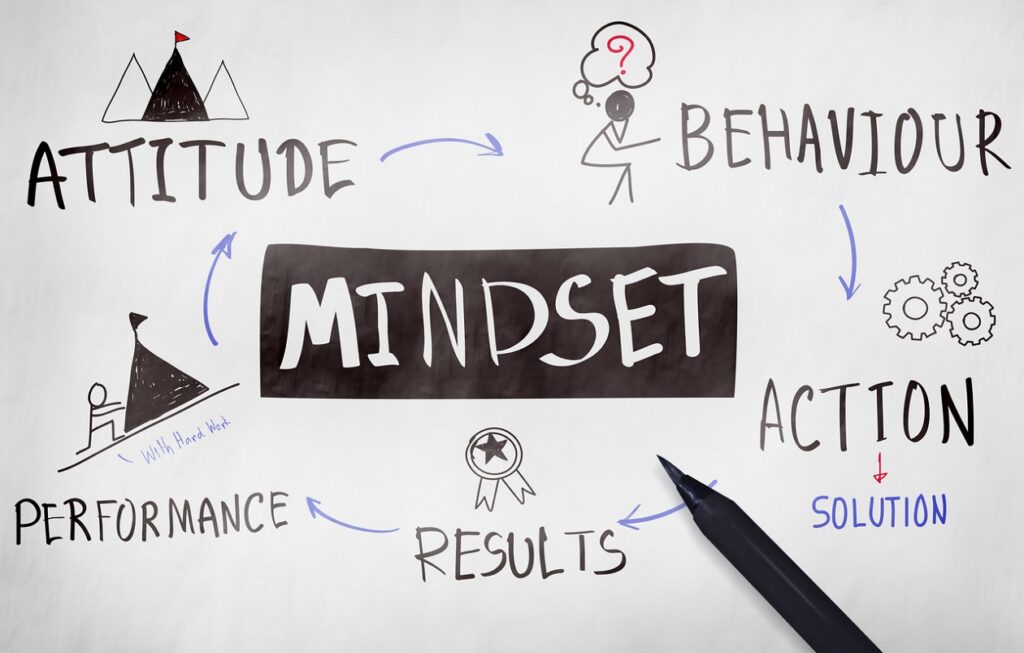
Leading remote teams requires shifting from monitoring presence to evaluating results. Successful remote managers must trust their teams, focus on deliverables rather than hours worked, and establish clear communication agreements that balance autonomy with accountability.
What to do about team conflict

Unproductive team conflict drains energy and causes people to dread work, requiring leaders to take decisive action. Strategies include breaking up teams in severe cases, using mediation for conflicts between individuals, and bridging silos to rebuild team cohesion.
