
What should modern leadership development look like?

Modern leadership development should be a continuous, evolving process rather than one-time training events. Effective approaches include content-free development focused on self-awareness and peer feedback, creating an organizational environment that supports ongoing growth rather than relying solely on traditional models and training programs.
Great Place to Work announces best workplaces of 2017
Great Workplaces Special Report reveals significant gaps between top-performing employers and UK averages in employee trust and engagement. Best Workplace employees show notably higher levels of trust in management, intention to stay, and likelihood to recommend their employer compared to workers at average organizations.
The Madness of Kings: leadership, hyper-masculinity & mental health

Despite societal privilege, white heterosexual men face alarming suicide rates—three times higher than women, with ages 45-59 most at risk. This paradox suggests that rigid expectations of hyper-masculinity, emotional suppression, and corporate stoicism are driving men toward self-destruction and violence.
Gig economy: the equality challenge?

The gig economy is reshaping work, with 20-30% of European and US workers engaging in independent work. While offering flexibility, it raises equality concerns as legislators and courts struggle to balance worker protections against exploitative practices in platform-based employment.
Why we need simplicity to cope with complexity – mindfulness in business life

Mindfulness helps employees and leaders cope with modern workplace complexity by reducing organizational drag, improving focus, and building resilience. Research shows that distraction and multitasking significantly decrease productivity, making mental wellness practices essential for sustainable performance in volatile, uncertain business environments.
“If you feel stuck in a rut and are not developing on a daily basis, it’s up to you to drive change.”
Personal development requires daily effort and individual initiative. This HR professional shares how they stay engaged across global teams, balancing creative work, client collaboration, and continuous learning through a structured daily routine.
“Suffering in silence is such a hard thing to bare and generates self-stigmatisation.”

Colin Minto, founder of APeopleBusiness, discusses why he went public about his OCD after 34 years of silence. He explains how suffering in isolation fuels self-stigmatization and how mental difference creates unique workplace capabilities too often overlooked by employers.
Building the case for mindfulness in the workplace

Discover how mindfulness in the workplace can reduce stress, improve employee wellbeing, and enhance decision-making. Based on UK parliamentary research and case studies, learn why companies are investing in mindfulness programs alongside professional development and physical health initiatives.
Are mental health apps actually any good?

Mental health apps are increasingly popular, but quality varies significantly. Research shows most apps lack evidence-based approaches, with two-thirds of mood-tracking apps not specifically designed for their stated conditions. Finding trustworthy apps requires looking beyond ratings to examine clinical credentials and evidence-based content.
Are competing priorities impacting your health?

Competing priorities can significantly impact your health by causing constant decision-making stress that leads to exhaustion, poor sleep, and weakened immunity. Understanding common workplace conflicts—like freedom versus security, work versus downtime, or personal time versus others’ needs—is the first step to resolving them and reclaiming your energy.
Round-up: 7 popular articles from our mental health month

Explore seven essential articles addressing mental health in the workplace, from combating change fatigue and presenteeism to financial wellbeing, e-resilience, and the role of mental health first aiders in breaking workplace stigma.
Presenteeism in academics: a shift to the twilight zone

UK academics frequently work while ill due to high workload pressure, lack of manager support, and limited control over their schedules. A survey of 5,209 university employees found nearly half work sick often or always, with 92 percent continuing work at home during sick leave. Job involvement and responsibility to students are key drivers of this presenteeism.
Presenteeism in prison officers: a case study in pressure

UK prison officers frequently work while sick due to punitive absence policies, staffing shortages, and safety-critical job demands. A survey of 1,682 officers found 84% felt pressure to work ill, with presenteeism potentially compromising both personal health and prison safety.
Tackling absenteeism could increase presenteeism: what can be done?
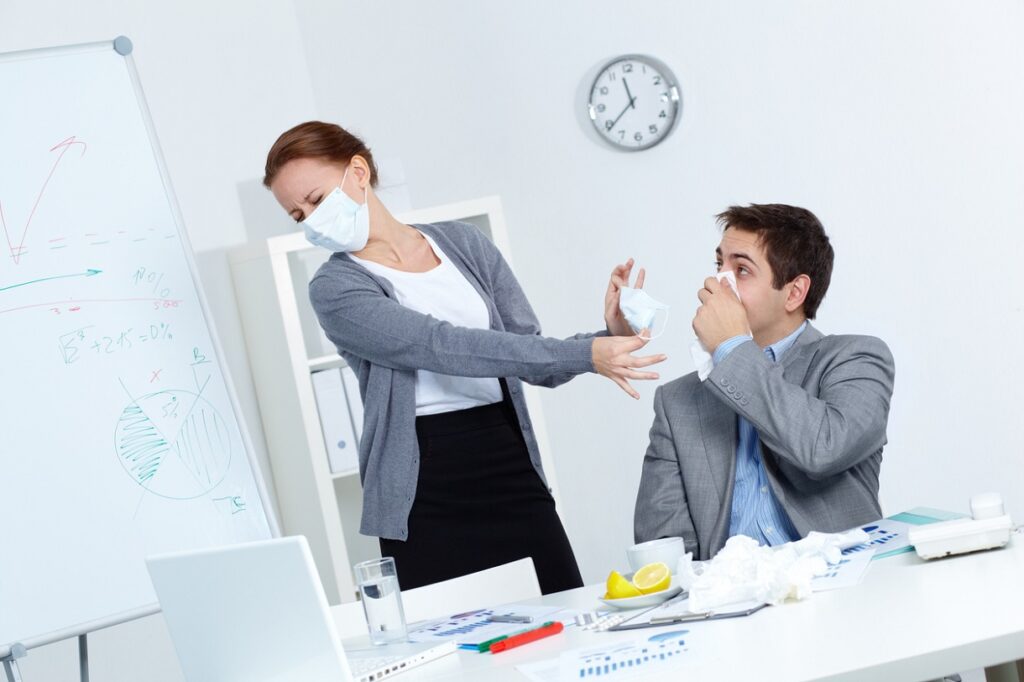
Strict absenteeism policies may inadvertently increase presenteeism, where employees work while sick. Organizations should reduce punitive measures and consider workplace context to address both issues effectively, as presenteeism carries greater economic costs than absenteeism.
5 steps to support mental wellbeing in the workplace

Discover five evidence-based strategies to support mental wellbeing in your workplace, from prevention techniques and stress management to fostering open conversations. Creating a supportive environment helps reduce burnout, improve employee performance, and address mental health as a priority equal to physical health.
A personal story of reaching breaking at work

One entrepreneur’s struggle with work burnout led him to therapy and a crucial realization: mental health should be managed proactively through training and stress management, not just treated in crisis. His experience sparked the creation of a mental health app designed to help workplaces prevent mental illness rather than only address it after employees reach breaking point.
How to hang onto female talent – the problem of the ‘pinched middle’

Management consultancies struggle to retain female talent, with many women leaving in their mid-30s due to competing demands of demanding careers and young children. A new report identifies the “pinched middle” problem and recommends practical solutions including flexible work arrangements, predictable schedules, and rethinking part-time roles.
The myth of the male versus female brain
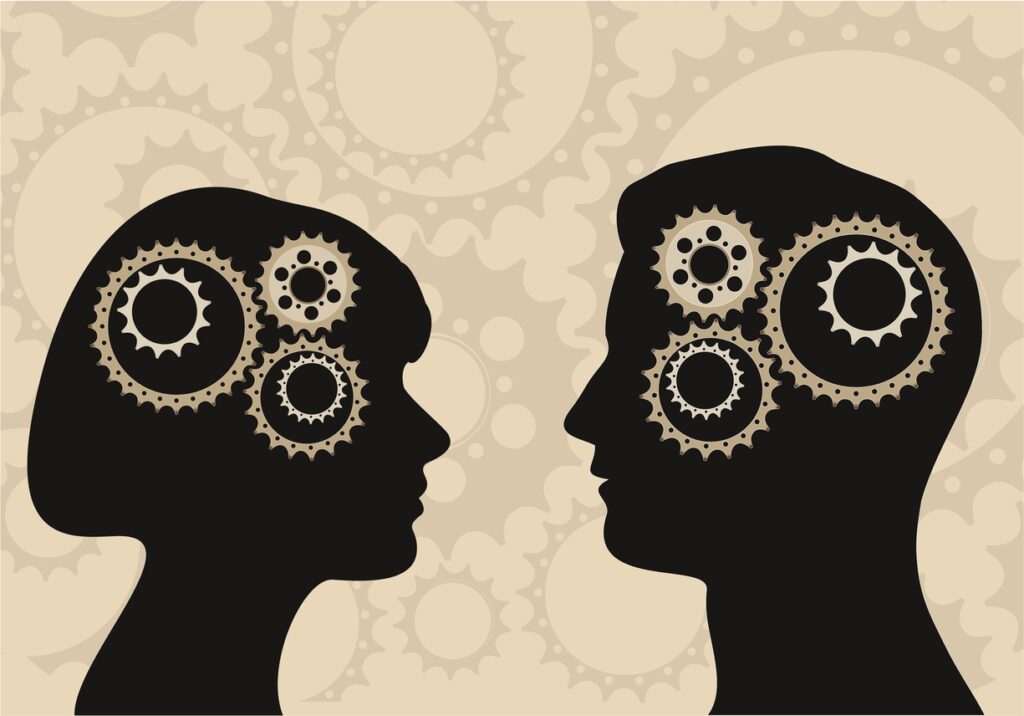
Recent meta-analysis of brain MRI studies challenges the widespread belief in categorically different male and female brains, finding no significant sex differences in amygdala volume when accounting for overall brain size. The research suggests much more overlap than difference between genders across nearly all brain measures.
“The wellbeing field is so fast changing that there is always something new & interesting to discuss.”
The wellbeing field evolves rapidly, requiring professionals to stay informed on emerging research and trends. Paul Barrett, Head of Wellbeing at Bank Workers Charity, shares how he navigates this changing landscape through daily reading, research tracking, and writing on topics from sleep science to financial wellbeing.
How an effective EAP can help you anytime, anywhere

Employee Assistance Programmes (EAPs) integrated into mobile-accessible benefits apps help UK organisations support staff mental health anytime, anywhere. With one in four adults experiencing mental health issues annually, mobile-first EAPs allow employees to access support at convenient times, improving engagement and wellbeing outcomes.
