When does going the extra mile become a damaging behaviour?

Going the extra mile through organizational citizenship behavior can boost productivity and career prospects, but research reveals significant downsides including emotional exhaustion and reduced personal time that may outweigh the benefits for employees.
5 things you need to know about gender pay gap reporting

UK employers with 250+ employees must report gender pay gap data on government portals and their websites, including mean and median pay differences, bonus pay gaps, and workforce distribution across pay quartiles. While narrative commentary isn’t legally required, including an action plan is recommended to address pay gaps and avoid negative PR.
5 things about presenteeism you don’t know

Presenteeism, where employees work while sick, costs twice as much as absenteeism yet its impact depends on illness severity. Organizations risk prolonging recovery and increasing long-term absence by stigmatizing sick leave, while job importance and workplace culture significantly influence employees’ decisions to work while ill.
Why mothers are paid 3% less at work per child

Research on French private sector workers reveals mothers earn approximately 3% less per hour for each child compared to childless female colleagues, while fathers face no such penalty. This “motherhood penalty” reflects gender inequality in the workplace and suggests human capital depreciation plays a significant role in wage disparities.
The insidious problem of men not taking parental leave, resilience and the mental stress of Brexit

Men avoid parental leave due to fears it will damage their careers, research shows. Organizational culture that penalizes flexibility and job insecurity from Brexit compound these concerns. Addressing workplace stigma around caregiving is essential to improve male participation in family responsibilities.
Treading on eggshells? Autism in the workplace

Employing autistic spectrum employees can enrich workplace culture and improve communication, but requires personalized support to succeed. With proper accommodations and reframed strategies, autistic workers can thrive while organizations tap into a diverse, underutilized talent pool.
The dark side of marginal gains, interrogating your inner voice & the nature of persistence

Psychologist John Amaechi explores how persistence relies on delayed gratification and completing mundane tasks, why personal growth feels daunting, and how to help people discover their own wellbeing rather than imposing definitions on them.
Mental health at Crossrail, the ROI of wellbeing and wellbeing optimism

Crossrail’s mental health programme is breaking workplace taboos in construction by encouraging open conversations and training wellbeing champions. The initiative addresses growing mental health challenges while demonstrating how organizational pride and tailored interventions drive meaningful health outcomes across diverse workforces.
Evidence-based agony aunt: I feel like I’ve been harshly judged in my appraisal

After receiving a harsh performance review that contradicted positive peer feedback, an expert explains how to approach your manager effectively. Using neuroscience insights, prepare mentally and ask strategic questions to understand the evaluation criteria and improve outcomes.
Evidence-based agony aunt: I don’t know which job offer to take!

When facing two job offers, check your emotional state first. Major decisions are best made in a positive “green zone” mindset rather than fear-based thinking. Take time to discuss both roles with someone you trust before deciding.
Evidence-based agony aunt: helping a nayser deal with their new tendencies

A workplace expert uses neuroscience to help someone overcome chronic negativity at work. The advice includes recognizing negativity bias, taking restorative time off, deliberately noticing positive moments daily, and considering whether a new challenge is needed to reignite engagement and enthusiasm.
How can you become a billionaire? The Sunday Times’ Rich List says to ditch emails

The Sunday Times’ Rich List reveals that many of the UK’s wealthiest entrepreneurs, including billionaire James Dyson, minimize email use in favor of direct communication. These successful business leaders argue that excessive emailing reduces productivity and loses the human connection needed for effective collaboration.
The workplace of the future – time for a more considered view?

A new CIPD report shows 23% of employees fear their jobs could be automated, but media coverage often presents an oversimplified, alarmist view. Experts remain divided on automation’s impact, with some believing technology will create more jobs than it eliminates, yet nuanced debate is needed given our poor track record predicting technological change.
How to navigate toxic behaviours during conflict

Learn to identify and respond to toxic behaviors during workplace conflict. Research on interpersonal dynamics reveals that labeling emotional behaviors and recognizing destructive patterns helps you stay calm and find productive resolutions when colleagues become aggressive or defensive.
Are your employees surviving or thriving at work?

Only 13% of people report living with high levels of good mental health, meaning most UK employees struggle with mental health concerns. Employers should prioritize workplace mental health support just as they would physical safety, creating environments where employees can thrive rather than merely survive.
Falling into an HR hole? What potential pitfalls are ahead for HR.

HR directors face a critical challenge: trapped managing day-to-day recruitment and staffing tasks, they struggle to develop long-term business strategy. This reactive approach risks exacerbating talent shortages and skills gaps that already affect over one-third of UK businesses unable to fill skilled vacancies.
How a bad night’s sleep can disrupt the workplace

Poor sleep quality increases the likelihood that employees will engage in unwanted workplace behavior the following day, particularly those with low moral identity. Research shows this pattern of behavioral disruption can cost companies up to $200 billion annually in the USA through actions like extended breaks, early departures, and theft.
British resilience demands… resilient Britons
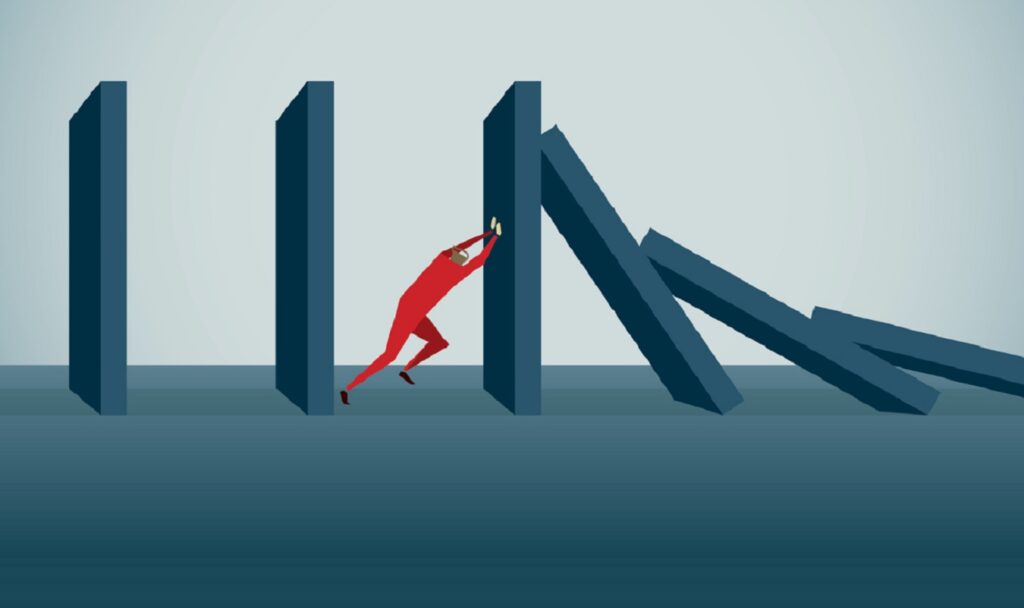
Britain’s resilience depends on its people being resilient too. Discover how to test your own resilience, build protection factors through daily habits, and maintain your emotional reserves to navigate challenging times.
How to conserve mental energy during the day

Learn how neuroscience explains mental performance and energy levels throughout your day. Discover practical strategies based on the Yerkes-Dodson principle to maintain optimal focus and avoid burnout.
How to build an award-winning company culture

Simply Business was named Best Company to Work For two years running by the Sunday Times, ranking first based on employee feedback. Learn how to build an award-winning company culture through meaningful values, smart working policies, equal opportunities, growth opportunities, and employee engagement.